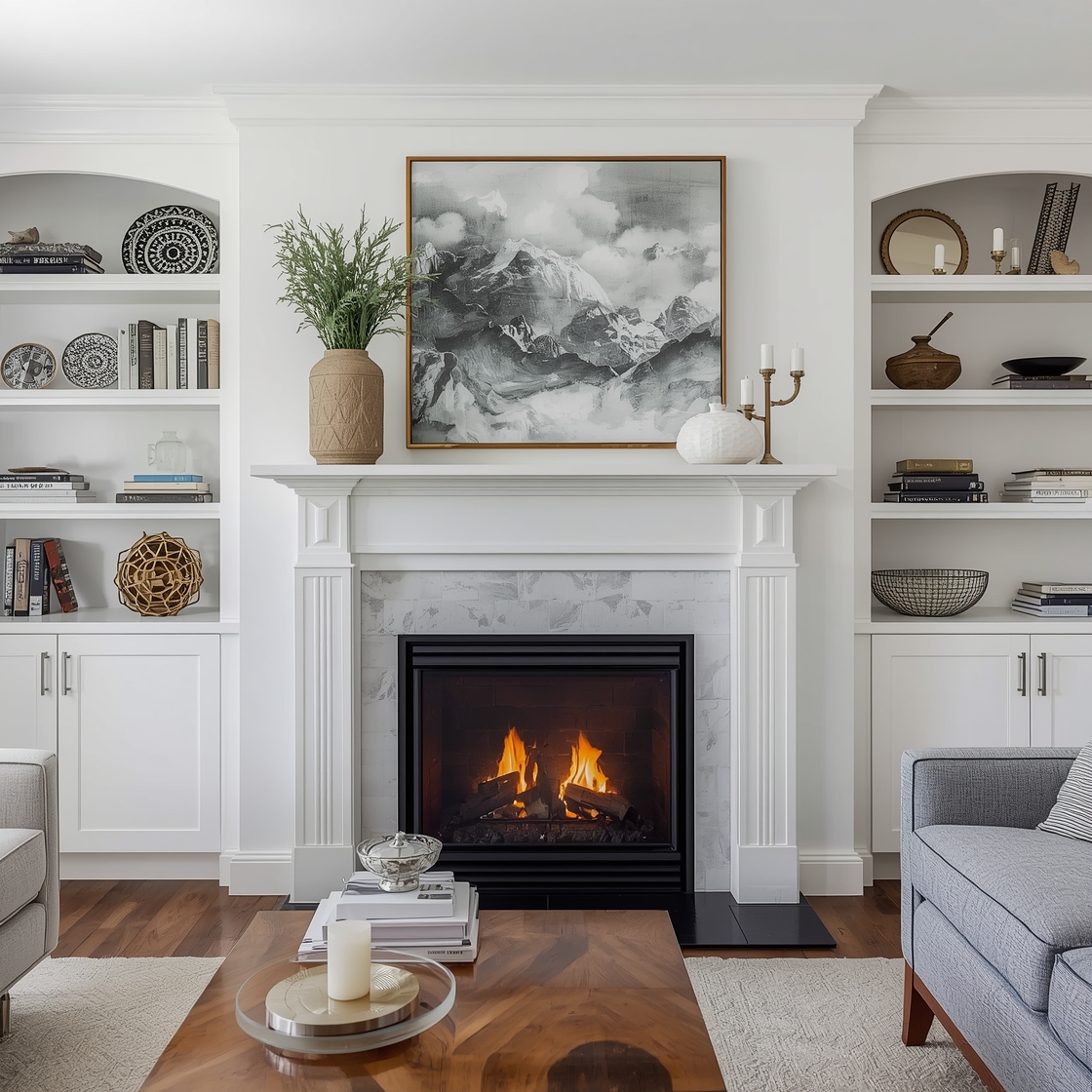
In the ever-evolving world of interior design, staying on top of current fireplace trends is essential for creating a stylish and functional living space. The current fireplace trends 2024 showcase a shift towards modern and innovative designs that elevate the ambiance of any room. Wondering what is trending for fireplaces and the latest in modern fireplace design trends? Let’s explore.
For centuries, the fireplace was the literal center of domestic life — the source of heat, the gathering point, the place where families spent their evenings. Even as central heating made fireplaces functionally optional, they retained their psychological power. A room with a fireplace feels different from a room without one. There’s warmth in the visual as much as the thermal — the flicker of light, the sense of enclosure, the invitation to slow down and settle in. What’s changed in recent years is not the desire for that feeling, but the ways designers and homeowners choose to create it. The fireplace is being reimagined from the ground up, and the results are some of the most visually compelling design statements in contemporary interiors.
Why Fireplace Design Trends Are Changing Rapidly
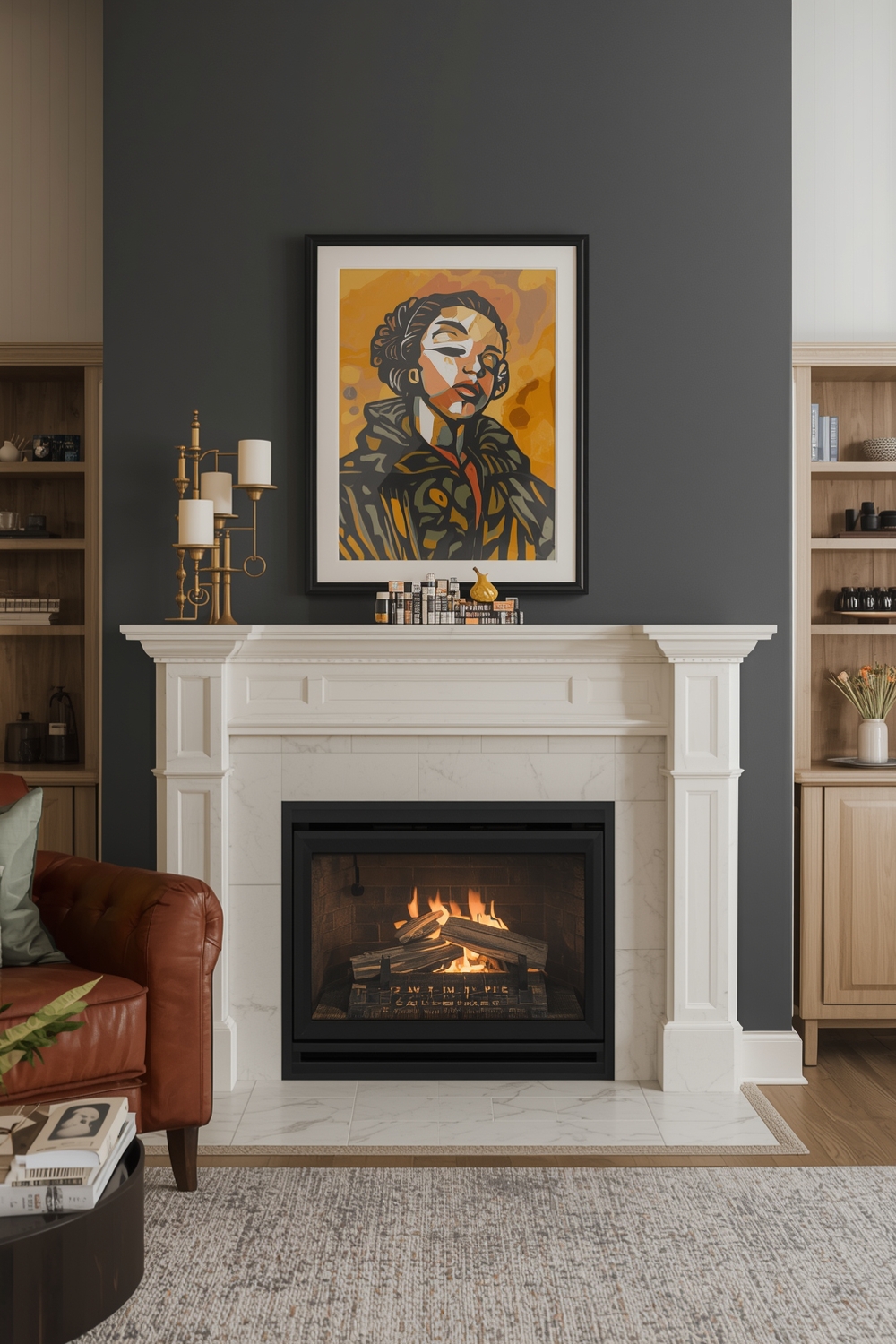
In recent years, we have seen a significant evolution in fireplace design trends. Homeowners are moving away from traditional, bulky fireplaces towards sleek and contemporary styles that serve as focal points in their living spaces. The current fireplace trends 2024 emphasize clean lines, minimalistic designs, and innovative materials that redefine the concept of a fireplace.
Several forces are converging to accelerate the pace of change in fireplace design. The first is technology. The development of highly realistic electric fireplace inserts and advanced gas burning systems has fundamentally expanded what’s possible. Designers are no longer limited by the structural requirements of a wood-burning firebox — no chimney, no hearth slab, no minimum clearances to combustible materials. This freedom has opened the door to fireplace installations in rooms, positions, and configurations that were simply impossible a generation ago.
The second driver is a broader cultural shift in interior design taste. The maximalist, ornamental aesthetic that dominated high-end interiors through much of the twentieth century — the carved limestone mantelpieces, the decorative tiles, the elaborate surrounds — has given way to a preference for restraint, materiality, and architectural purity. Today’s most admired interiors tend to be ones where every element is deliberate and quietly confident rather than loudly decorative. The fireplace has followed this shift in taste, slimming down, losing its ornament, and becoming a study in proportion and surface rather than a showcase of decorative detail.
Environmental awareness is a third factor reshaping the market. Wood-burning fireplaces, while romantically appealing, face increasing scrutiny for their air quality impact — some municipalities have begun restricting or banning their installation in new construction. This has accelerated the adoption of gas and electric alternatives, which produce less particulate matter and, in the case of electric models, no combustion emissions at all. As energy-efficient homes become the norm rather than the exception, the fireplace is adapting to align with the values of the households it serves.
Finally, the explosion of design inspiration available through social media and online platforms has raised homeowners’ design literacy dramatically. People now arrive at conversations with architects and interior designers with highly specific visual references — a particular fireplace they saw in an editorial, a detail from a hotel lobby, a finish they spotted in someone’s renovation post. This specificity of demand has pushed designers to keep pace with a more visually sophisticated audience, and the fireplace — as one of the most prominent and personal elements of any living space — is one of the primary arenas where that dynamic plays out.
Key Elements Defining Modern Fireplace Styles
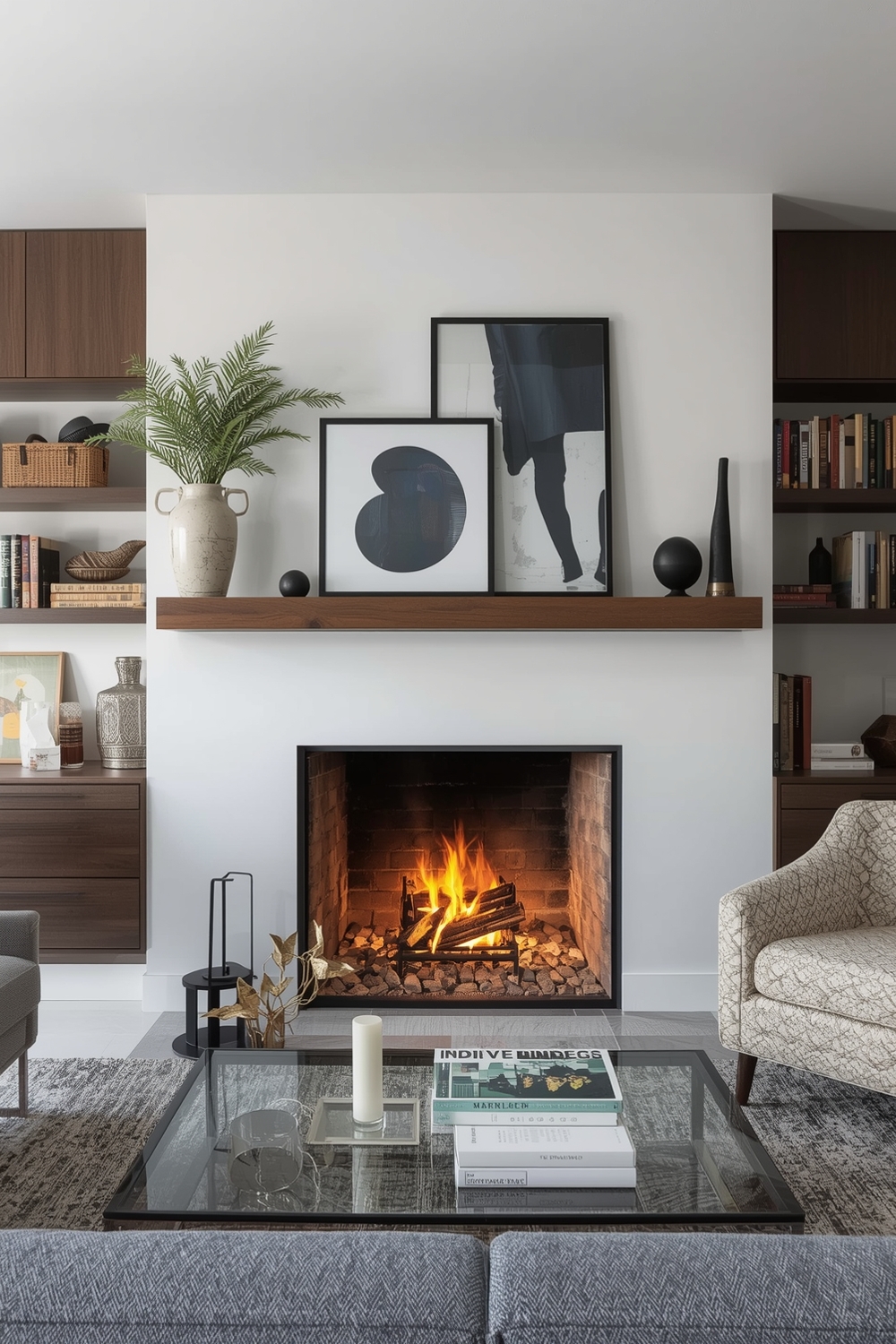
Modern fireplace design trends are characterized by a fusion of form and function. From sleek gas fireplaces to statement-making electric models, the emphasis is on creating a seamless integration with the overall aesthetic of the room. Innovative features such as remote-controlled flame adjustment, multi-sided viewing angles, and ultra-thin surrounds are redefining what homeowners expect from a fireplace — not just as a heat source, but as a central design feature.
The most dominant trend in contemporary fireplace design is the recessed or flush-mount installation. Rather than projecting into the room as a traditional fireplace does, the recessed fireplace sits within the wall — sometimes entirely flush with the surface, sometimes set back into a shallow recess framed by a single material. This approach creates an almost architectural quality, as if the fire is simply an opening in the wall rather than a piece of furniture sitting in front of it. When done well, the effect is quietly extraordinary: you notice the fire before you register the fireplace itself.
Material choice is another defining element of the modern fireplace aesthetic. While marble has always been associated with fireplace surrounds, the way it’s being used has changed substantially. Large-format slabs with dramatic veining, installed without visible joints across the entire surround and extending up the wall as a full-height cladding panel, are a signature look of the current moment. The scale and continuity of material that was previously impractical to achieve — both technically and economically — is now more accessible, and designers are making the most of it.
Concrete and microcement have emerged as major players in the contemporary fireplace landscape, prized for their textural subtlety and their ability to be formed into seamless, monolithic shapes. A concrete fireplace surround has a raw, tactile quality that contrasts beautifully with the softness of upholstered seating and natural textiles, and it photographs exceptionally well — which in the age of social media has proven to be no small advantage for its popularity. Limewash plaster finishes, with their layered, slightly imperfect depth of tone, are also gaining significant traction, particularly in interiors that lean toward a warm, earthy European aesthetic.
Steel and blackened metal are having a significant moment as fireplace surround materials, especially in homes that blend industrial references with warmth and comfort. A blackened steel surround paired with an exposed brick interior creates a sense of authenticity and craft that reads as both contemporary and timeless. The patina of aged metal, the texture of brick — these are materials that feel genuinely earned rather than artificially applied, and in an era when authenticity in interiors is highly valued, they resonate strongly.
The Rise of the Double-Sided and See-Through Fireplace
One of the most significant architectural trends in fireplace design is the growing popularity of double-sided and see-through configurations. These installations allow a single fireplace to serve two adjacent spaces simultaneously — a living room and a dining room, a bedroom and a bathroom, an indoor space and an outdoor terrace. The fire becomes a shared focal point that connects the spaces while maintaining their visual separation, and the effect of looking through flames into another room has a drama and intimacy that a single-sided fireplace simply cannot replicate.
The see-through fireplace has particular appeal in open-plan interiors, where it can serve as a spatial divider that defines zones without closing them off. In an open kitchen-living layout, for example, a double-sided fireplace positioned between the cooking and seating areas creates a natural boundary that feels intentional rather than arbitrary. Both sides of the room benefit from the warmth and visual anchor of the fire, and the overall effect is one of considered architecture rather than an afterthought partition.
Three-sided and peninsula fireplaces — which are open on three sides and project into the room — are another expression of this trend. They’re inherently sculptural, inviting a 360-degree relationship with the fire rather than the traditional frontal viewing position, and they work particularly well in larger rooms where a more conventional installation might feel anchored too closely to a single wall.
Electric Fireplaces — The Trend That’s No Longer a Compromise
For a long time, electric fireplaces carried a reputation as the compromise option — the choice you made when a real fireplace wasn’t possible, not when it was preferable. That reputation has been fundamentally and permanently revised. The current generation of electric fireplace technology produces flame effects of extraordinary realism, incorporating multiple layers of light, depth, and movement to create an experience that’s genuinely convincing rather than merely suggestive.
Premium electric fireplace manufacturers now offer customizable flame color, height, and intensity; log, crystal, or stone bed options; realistic ember glow effects; and even crackling sound simulation. More practically, they can be installed virtually anywhere — on an exterior wall, an interior partition, even a piece of freestanding furniture — without any venting requirements. In apartment buildings, rented homes, and any setting where structural modifications are restricted, they offer design freedom that no other type of fireplace can match.
The design community has not only accepted electric fireplaces — it has embraced them as a creative tool. Some of the most striking fireplace installations featured in leading architecture and interiors publications over the past several years have been electric, chosen not as a default but as a deliberate preference. The ability to install a sleek, frameless fireplace anywhere in a room, at any height, without compromising the structural integrity of the building, is a design advantage that’s hard to overstate.
Outdoor Fireplaces and the Blurring of Indoor-Outdoor Living
The fireplace trend isn’t confined to interior spaces. Outdoor fireplaces and fire features have become one of the most requested elements in landscape and exterior design, driven by the same desire for warmth, atmosphere, and gathering space that has always animated the indoor fireplace. The outdoor fireplace extends the usable season of exterior living spaces dramatically, turning a summer terrace into a year-round destination and a poolside seating area into a place people want to linger long after the sun has set.
The design vocabulary of outdoor fireplaces has evolved in parallel with interior trends. The large, boxy brick outdoor fireplace that was ubiquitous in residential gardens a decade ago has given way to more architecturally refined options: slender linear fire features set into low garden walls, stainless steel fire bowls as sculptural centerpieces, and built-in fireplaces integrated into covered outdoor living structures with the same level of finish and detail as an indoor installation. The boundary between inside and outside has never been more fluid in residential design, and the fireplace is one of the clearest expressions of that blurring.
What This Means If You’re Planning a Fireplace Update
If you’re considering updating an existing fireplace or installing a new one, the current landscape of trends offers more options than any previous moment in design history. The key is to start with clarity about how the fireplace will be used and what role it will play in the room — decorative focal point, primary heat source, spatial divider, indoor-outdoor connector — and then to choose the type and style that best serves that intention.
Don’t feel compelled to follow any single trend. The most successful fireplace installations are the ones that feel inevitable in their specific context — where the material, scale, and style seem like the only right answer for that particular room, that particular home, that particular family. A beautifully executed traditional limestone surround in a period property is as relevant and compelling as a razor-thin recessed electric fire in a contemporary apartment. What matters is the quality of the decision-making and the care of the execution.
What the current moment in fireplace design does make clear is this: the fireplace has never been more versatile, more technically capable, or more central to the design conversation. Whether you’re drawn to the tactile richness of natural stone, the clean architecture of a recessed gas insert, or the installation freedom of a high-end electric model, there has never been a better time to invest in a fireplace that truly reflects who you are and how you want to live.
Final Thoughts: The Fireplace Remains the Heart of the Home
Trends in fireplace design will continue to evolve — new materials will emerge, new technologies will expand what’s possible, and the aesthetic preferences of the culture will keep shifting. But through all of that change, the fundamental appeal of the fireplace remains exactly what it has always been: a source of warmth, a focal point for gathering, and a reminder that some of the most important things in a home aren’t about function at all, but about feeling. The current generation of fireplace design honors that truth while bringing it into conversation with the best of contemporary architecture and material culture. Whatever direction the trend moves next, the fireplace will be there — burning at the center of it all.