Informative

how to make a blue room feel warm

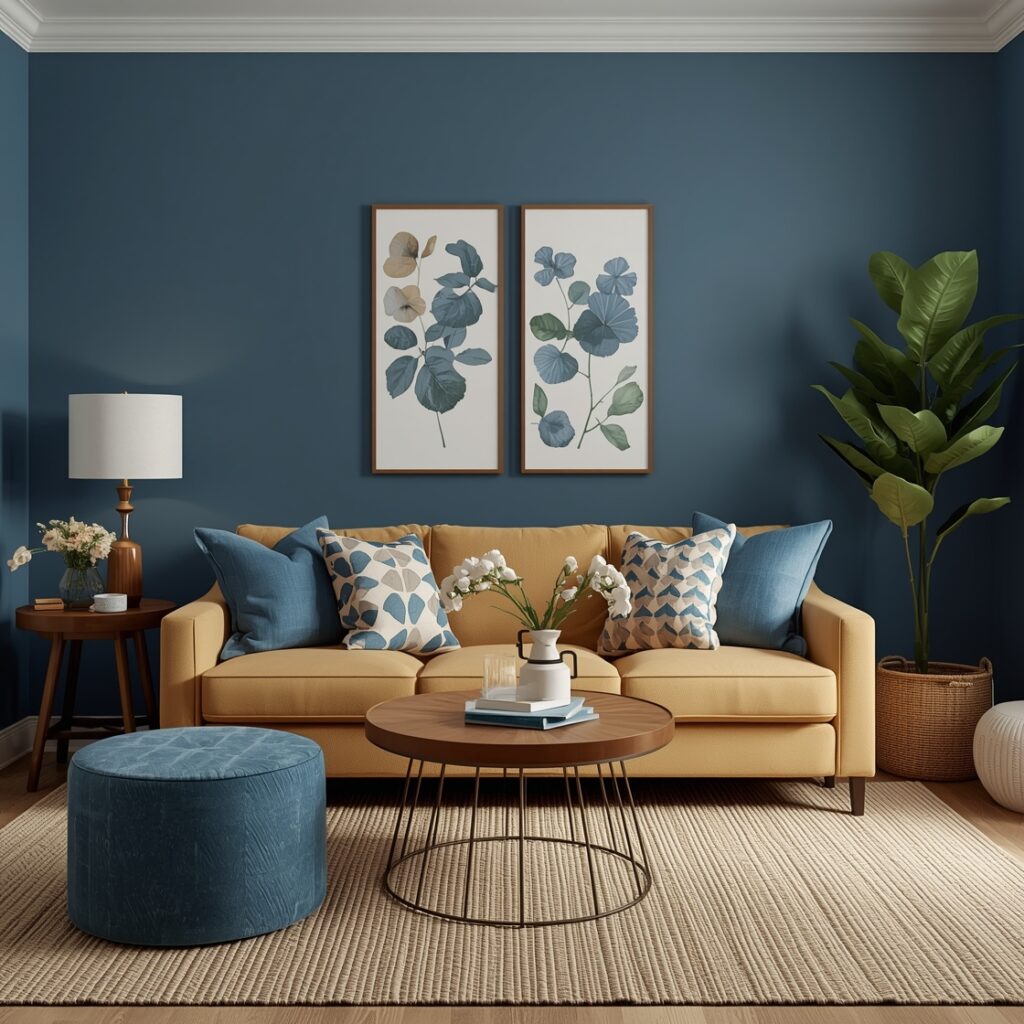
How to Make a Blue Room Feel Warm — the Specific Changes That Actually Work

Blue rooms often go wrong in the same way: they look beautiful in a showroom or magazine but feel cold in a real home with ordinary light conditions. This article identifies exactly why blue rooms go cold and explains the specific design interventions that reverse it — the secondary palette choices, the lighting decisions, the material selections, and the small styling adjustments that shift a blue room from clinical to genuinely inviting.

How to Make a Blue Room Feel Warm — the Specific Changes That Actually Work Read More »
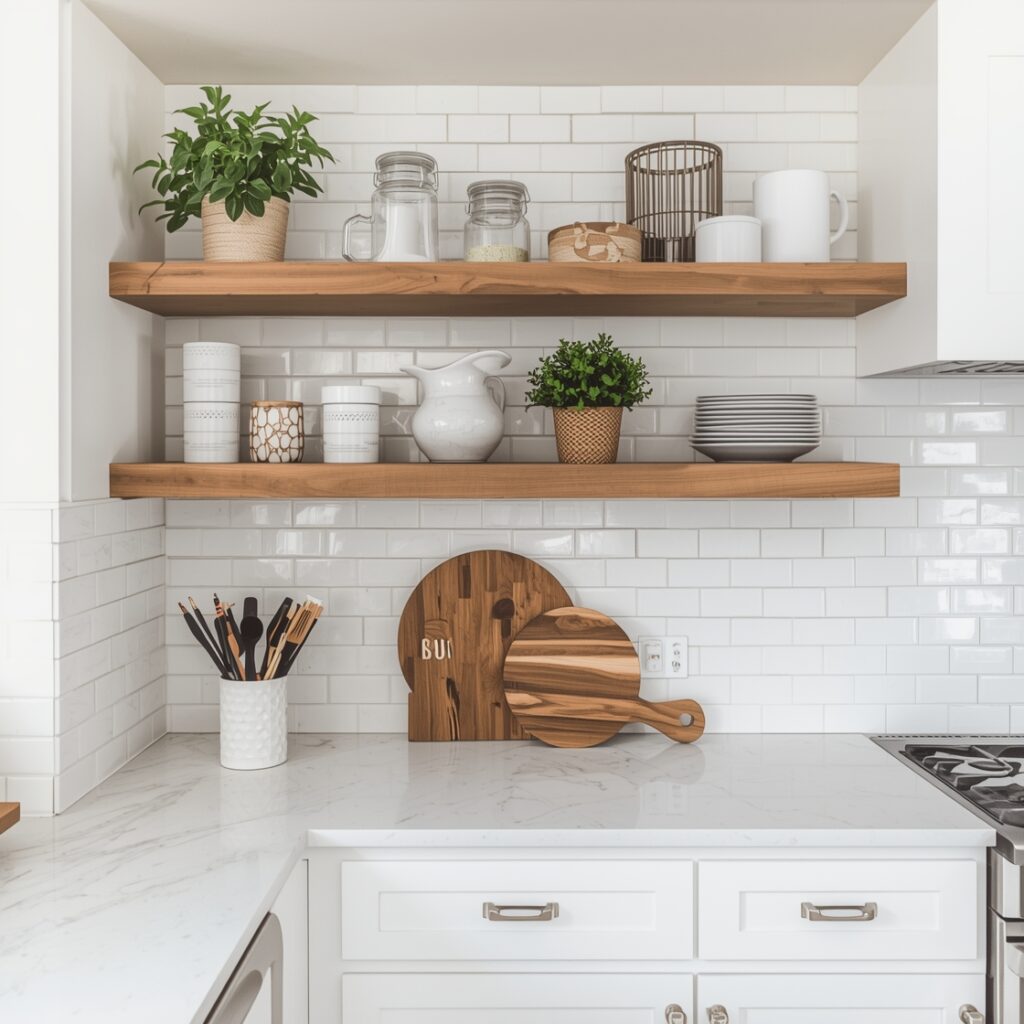
are open shelves good for kitchen

Are Open Shelves Good or Bad for Your Kitchen? An Honest Look at Both Sides

Open kitchen shelving is one of the most polarizing design choices in the home — some people love the open, airy feeling while others find them impossible to keep organized. This article presents an honest, balanced assessment: what open shelves genuinely do well, where they consistently cause problems, which homeowners they suit, and how to make the decision for your specific kitchen, lifestyle, and tolerance for visual tidiness.

Are Open Shelves Good or Bad for Your Kitchen? An Honest Look at Both Sides Read More »

current fireplace trends 2024

What Is the Current Trend for Fireplaces — and Which Direction Is Interior Design Moving?

Fireplaces have gone through a significant design evolution in the last five years — from painted brick to exposed stone, from traditional mantels to minimalist flush surrounds. This article covers the fireplace trends gaining the most momentum right now: the materials, surround styles, mantel approaches, and color treatments that interior designers are recommending in 2024 and into 2025.

What Is the Current Trend for Fireplaces — and Which Direction Is Interior Design Moving? Read More »

70-30 rule interior design

What Is the 70/30 Rule in Interior Design — and How Does It Change the Way You Decorate?

The 70/30 rule is one of the most practical guidelines in interior design, governing the ratio of dominant to accent elements in a room. This article explains what the rule means in practice — how it applies to color distribution, furniture to accessory ratios, and pattern use — and why breaking it intentionally is very different from breaking it accidentally. Includes examples from different room types.

What Is the 70/30 Rule in Interior Design — and How Does It Change the Way You Decorate? Read More »

can a mirror make a small bathroom look bigger

Can a Mirror Actually Make a Small Bathroom Look Bigger? The Answer Is Yes — If You Do This

Mirrors are one of the most powerful tools in small bathroom design — but only when they are chosen and placed correctly. This article explains the mirror sizing, shape, and placement decisions that genuinely expand the perceived size of a small bathroom, why a mirror that is too small makes a bathroom feel smaller, and how to combine mirror placement with lighting to multiply the effect.

Can a Mirror Actually Make a Small Bathroom Look Bigger? The Answer Is Yes — If You Do This Read More »

best layout small bathroom with shower

What Is the Best Layout for a Small Bathroom With a Shower? Here Are the Options That Actually Work

The shower is the most space-intensive element in a small bathroom — and where you put it determines everything else. This guide covers the best shower positions for different small bathroom shapes, the shower types that work best in tight spaces (walk-in vs. quadrant vs. wet room), and the layout decisions around the vanity and WC that maximize usable floor space.

What Is the Best Layout for a Small Bathroom With a Shower? Here Are the Options That Actually Work Read More »
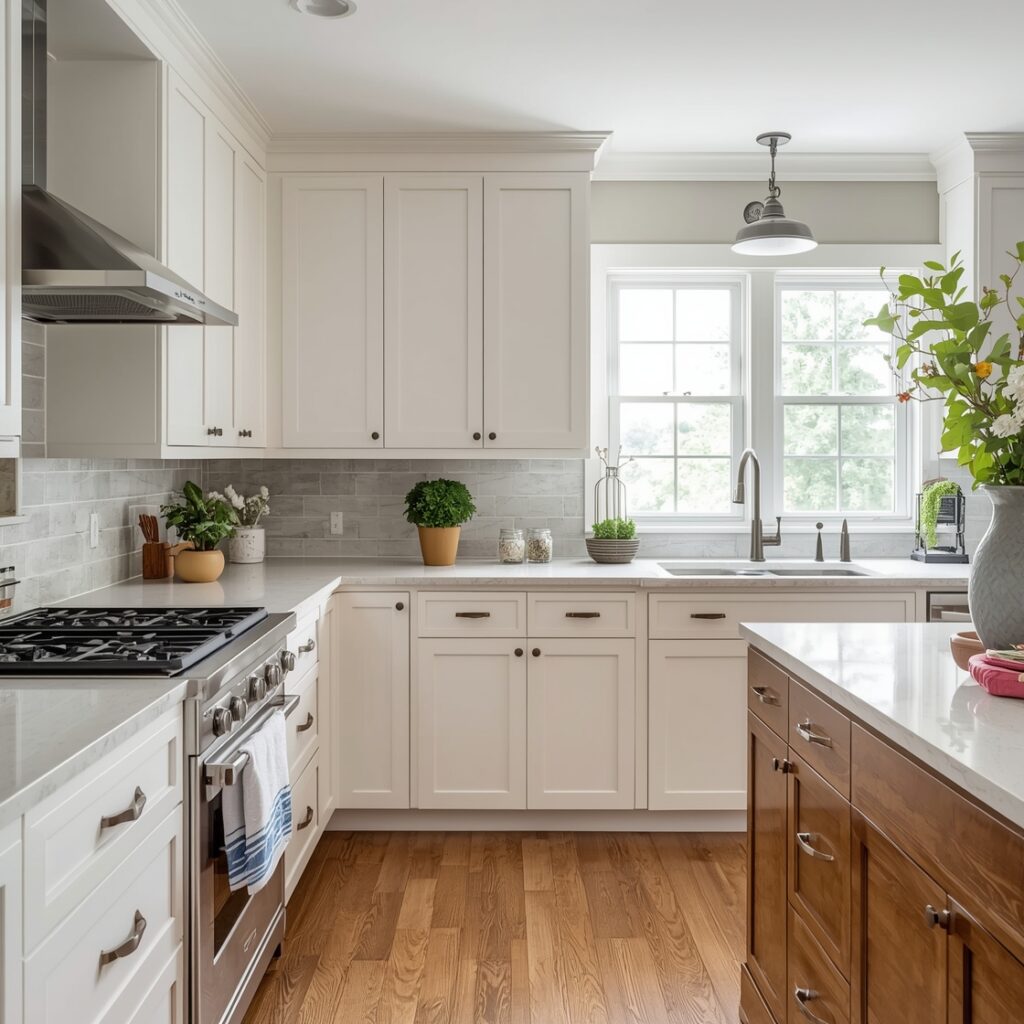
best cabinets for laundry room

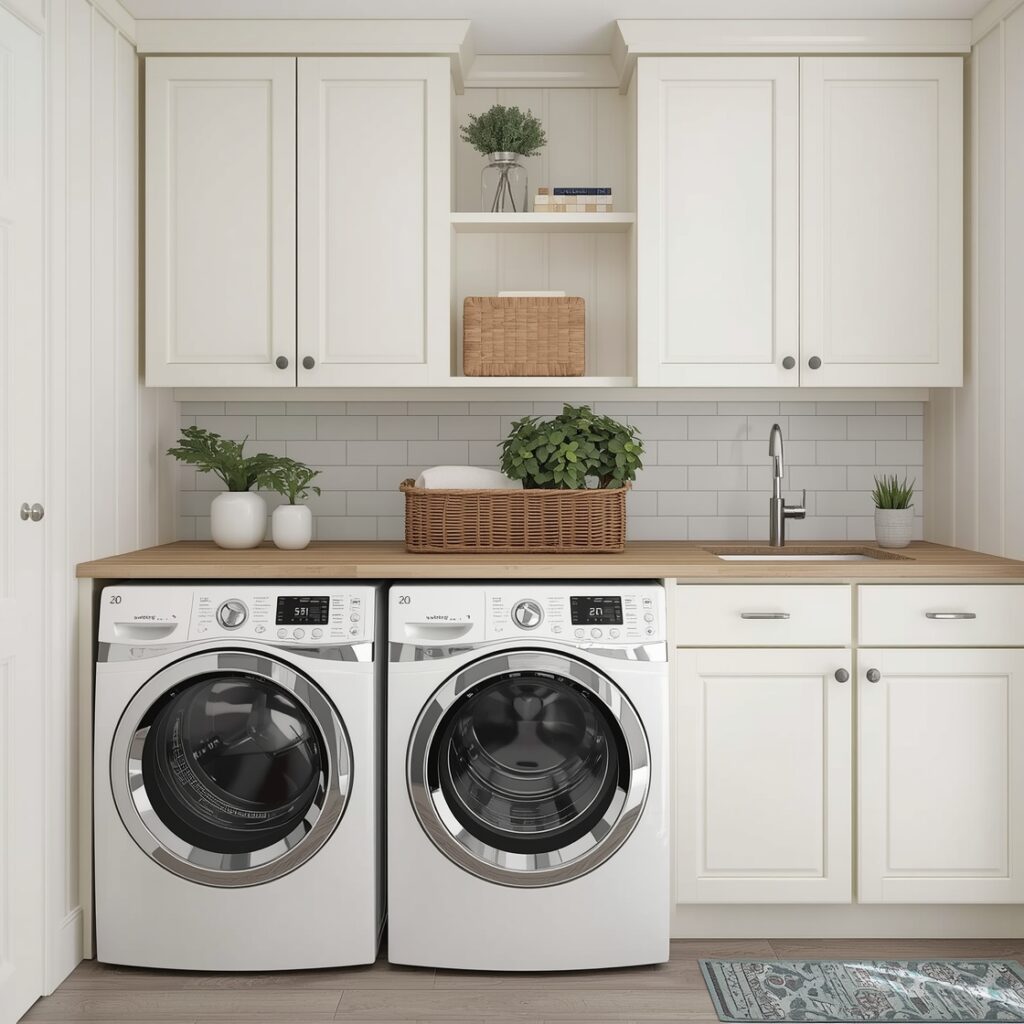
What Type of Cabinets Work Best in a Laundry Room — and What Should You Avoid?

Laundry rooms have specific requirements that make them different from kitchens: moisture resistance, durable finishes, and layouts built for workflow rather than aesthetics. This guide covers the best cabinet types, materials, and configurations for a laundry room — including which kitchen cabinet styles transfer well and which ones deteriorate quickly in the laundry environment.

What Type of Cabinets Work Best in a Laundry Room — and What Should You Avoid? Read More »

best color scheme for living room

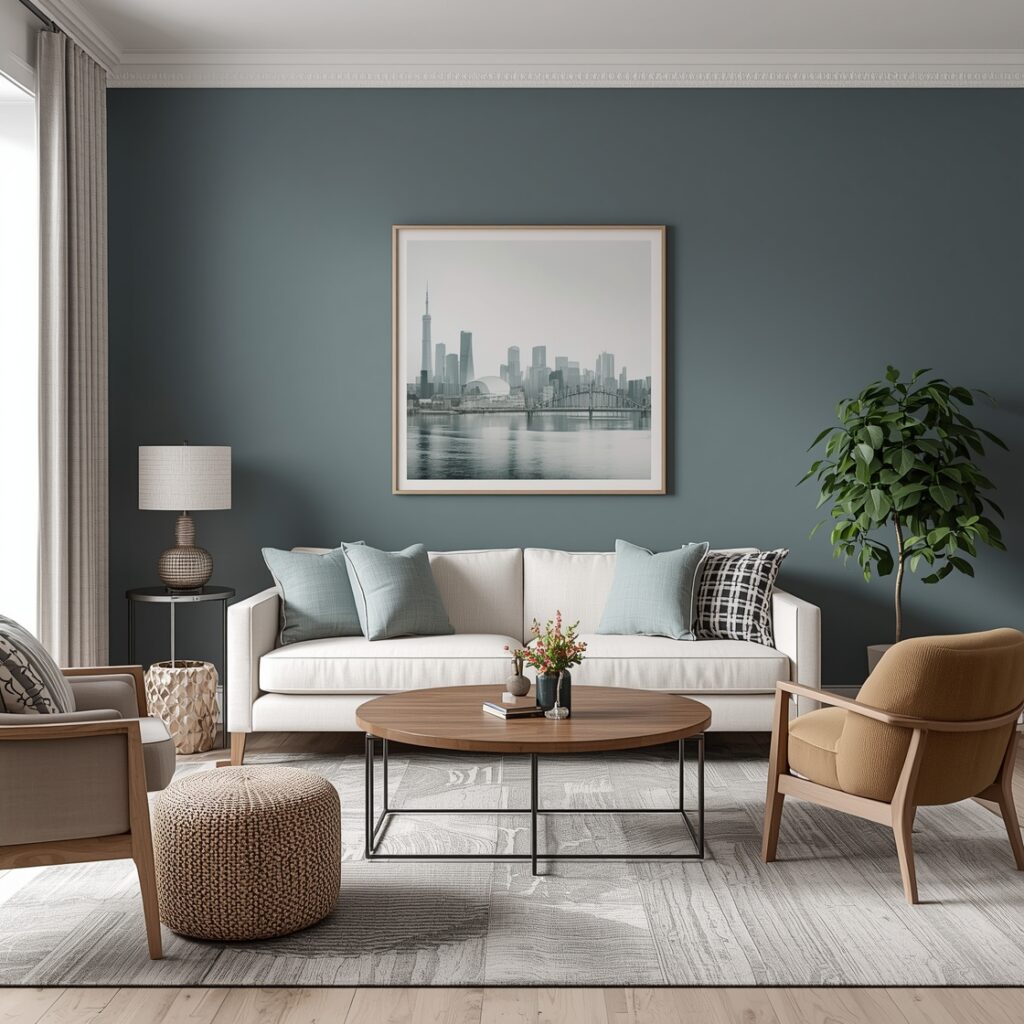
What Is the Best Color Scheme for a Living Room? A Step-by-Step Guide to Getting It Right

There is no single best color scheme for a living room — but there is a right process for finding yours. This guide walks you through how to assess your room’s natural light, identify your style direction, build a base palette, and add accent colors that pull the space together. Includes specific palette examples for small, medium, and large living rooms in both warm and cool light.

What Is the Best Color Scheme for a Living Room? A Step-by-Step Guide to Getting It Right Read More »

white paint with oak cabinets

What Shade of White Actually Goes Best With Oak Cabinets? A Designer’s Answer

Not all whites are the same. Warm whites, cool whites, and off-whites react very differently next to oak wood tones — and choosing the wrong one can make your cabinets look yellow, grey, or washed out. This guide explains exactly which shades of white work with different oak undertones, how to test paint samples correctly, and the common mistakes homeowners make when pairing white paint with oak cabinetry.

What Shade of White Actually Goes Best With Oak Cabinets? A Designer’s Answer Read More »

rule living room design

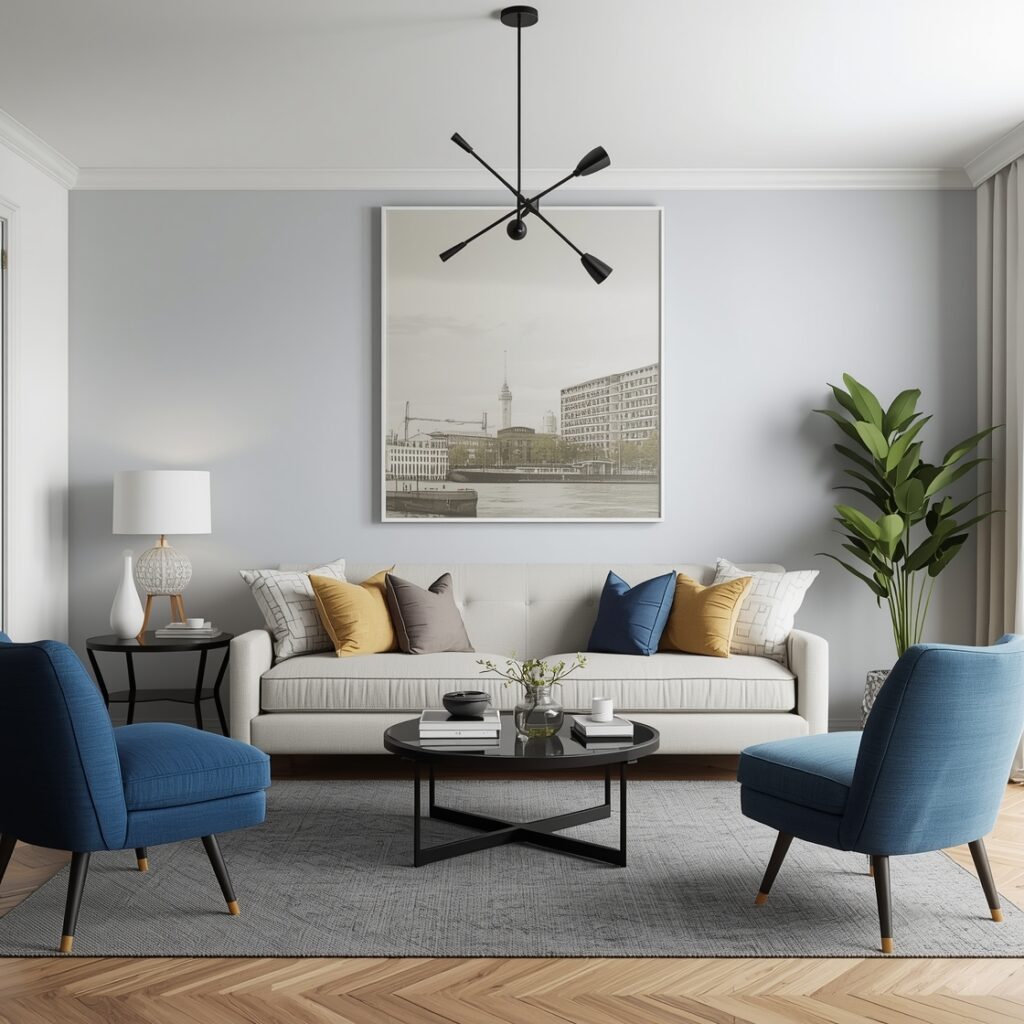
What Is the 2/3 Rule for Living Rooms — and How Do You Actually Use It?

The 2/3 rule is one of the most useful proportion principles in interior design — but most people who have heard of it have never had it properly explained. This article breaks down exactly what the rule means, how it applies to rug sizing, furniture arrangement, artwork placement, and TV wall design in a living room, and what happens to a room’s visual balance when the rule is ignored.

What Is the 2/3 Rule for Living Rooms — and How Do You Actually Use It? Read More »

Scroll to Top