Looking to update your kitchen with the latest trends in hardware? As we move into 2024, the kitchen hardware trends 2024 are all about sleek designs, purposeful choices, and finishes that feel both elevated and enduringly beautiful. From refined minimalist pulls to sculptural statement handles, there is genuinely a style for every taste, every budget, and every kitchen aesthetic imaginable. But with so many options on the market — and trends shifting faster than ever — knowing where to start can feel overwhelming. In this guide, we will break down exactly what is happening in the world of kitchen hardware right now, why those trends are emerging, and most importantly, how you can make confident, well-informed choices for your own kitchen that you will love for years to come.
Kitchen hardware might seem like a small detail in the grand scheme of a kitchen renovation or refresh, but anyone who has ever swapped out dated brass pulls for something more current knows just how dramatic the impact can be. Hardware is the jewelry of the kitchen — the finishing touch that can pull an entire design together, add a layer of personality and intentionality, and instantly signal whether a space feels fresh and considered or tired and overlooked. Getting it right does not require a large budget or a professional designer. What it does require is a clear understanding of the current landscape of options, a solid grasp of a few key pairing principles, and a willingness to think carefully about what will genuinely work for your specific kitchen rather than simply chasing whatever happens to be trending on social media this week.
Why Kitchen Hardware Trends Change Over Time
Kitchen hardware trends evolve constantly to reflect changing design preferences, shifting cultural values, technological advancements, and broader lifestyle trends. The current kitchen cabinet hardware trends place a strong emphasis on functionality, durability, and considered aesthetics — a reflection of the way many homeowners today are thinking more holistically about their spaces, prioritising quality and longevity over fast, disposable style. Whether you are drawn to warm brass, dramatic matte black, or the quiet refinement of brushed nickel, there is a finish and a form factor that will suit your kitchen’s aesthetic perfectly — as long as you understand the principles behind why certain choices work better than others.
The most significant driver of hardware trend evolution is the way kitchen design itself has changed so dramatically over the past two decades. For much of the late twentieth century, the kitchen was primarily a functional workspace — a room that needed to be practical and efficient above all else. Hardware choices reflected this utilitarian mindset: chrome pulls and simple brushed stainless knobs were chosen for their durability and ease of cleaning rather than for any particular aesthetic ambition. But as the kitchen gradually transformed into the social and emotional heart of the modern home — the place where families gather, where dinner parties begin, where life happens in its fullest and most casual sense — the aesthetic stakes rose accordingly. Homeowners began investing in kitchens not just as functional infrastructure but as genuine expressions of personal style and values, and hardware naturally became part of that more intentional conversation.
Broader interior design movements have also played a substantial role in shaping hardware trends. The rise of Scandinavian minimalism brought with it a preference for clean-lined, handle-free or minimal-hardware kitchen aesthetics. The subsequent backlash against clinical minimalism and the emergence of warmer, more maximalist, and more personality-driven interiors opened the door for bolder, more expressive hardware choices — oversized bar pulls, decorative knobs in unusual materials, and mixed metal combinations that would have seemed chaotic just a decade ago but now feel sophisticated and considered. Social media has accelerated all of these shifts enormously, compressing what used to be decade-long trend cycles into movements that can feel mainstream within a matter of months.
Material innovation has also been a key driver of change. The development of more durable, more consistent, and more affordable finishing processes has put finishes like matte black, unlacquered brass, and oil-rubbed bronze within reach of everyday homeowners who might previously have been limited to standard chrome or stainless options. As these finishes have become more accessible, they have naturally become more popular — and as they have become more popular, manufacturers have invested in developing an ever-wider range of styles and forms in those finishes, creating a virtuous cycle of expanding options and growing consumer demand.
Understanding these underlying drivers of change is genuinely useful when it comes to making your own hardware decisions, because it helps you distinguish between trends that are likely to have lasting power and those that are simply riding a momentary wave of social media enthusiasm. A finish or style that has emerged as a response to a deep, structural shift in how people think about and use their kitchens is likely to have considerably more staying power than one that has simply become popular because a few influential designers happened to use it in some widely-photographed projects.
Key Factors When Choosing Cabinet Hardware Finishes
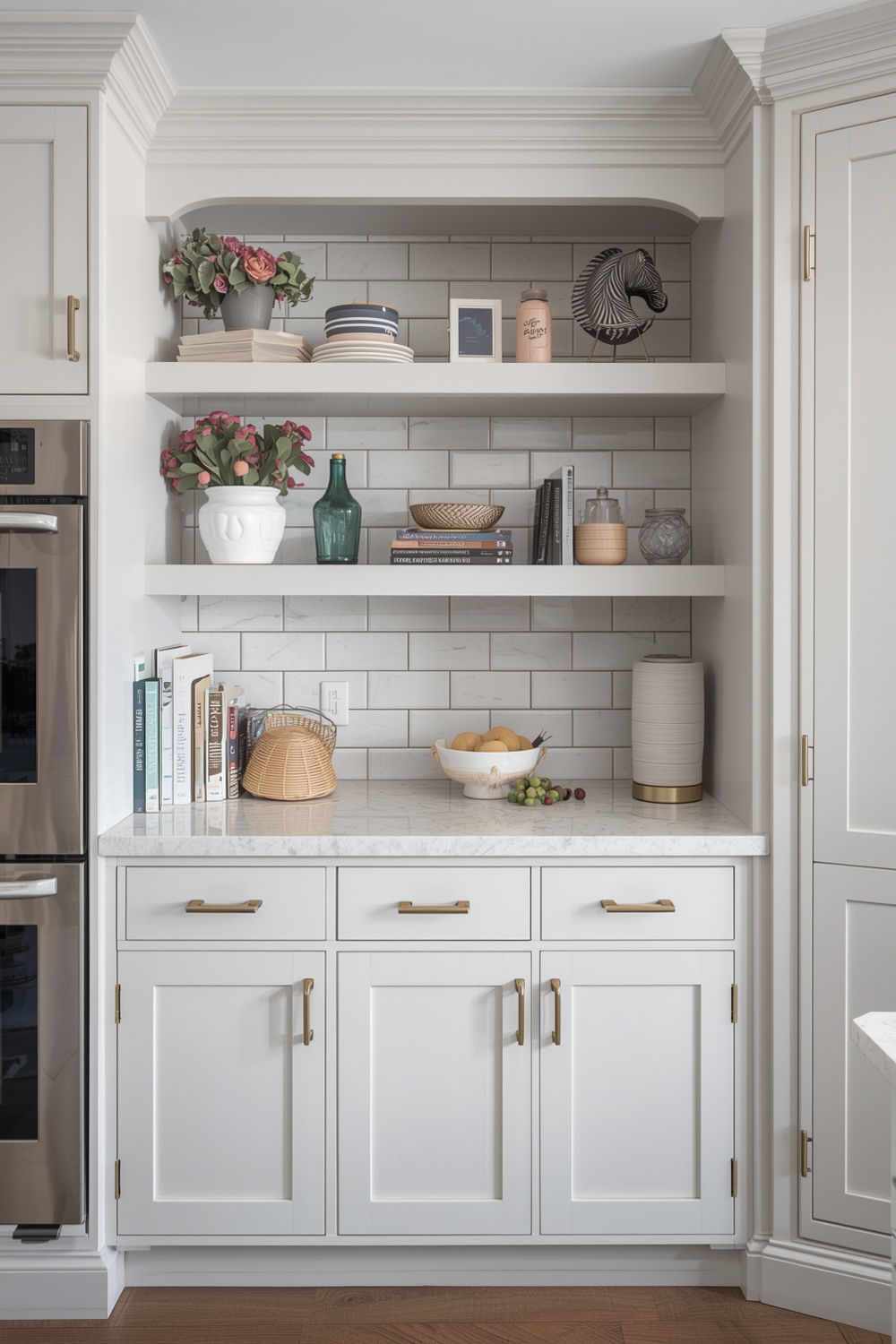
When selecting a finish for your kitchen hardware, the most important factors to consider are the overall style and color palette of your kitchen, the maintenance requirements of different finishes, your practical lifestyle needs, and your budget. Popular kitchen hardware finishes include stainless steel, chrome, brushed nickel, matte black, brass, bronze, and copper. Each of these finishes carries its own aesthetic character, its own maintenance demands, and its own set of design compatibility strengths and weaknesses. Choosing the right one for your specific kitchen is far less about following trends and far more about understanding what will genuinely serve your space and your daily life.
Matte Black: Matte black has been one of the dominant kitchen hardware stories of the past several years, and in 2024 it remains a powerful and confident choice — though it is now firmly in the category of established sophistication rather than cutting-edge novelty. The appeal of matte black hardware is straightforward: it creates a striking, high-contrast focal point that works equally well in modern minimalist kitchens, industrial-style spaces, and even warmer, more traditional settings where its graphic quality adds an unexpected edge. It pairs especially beautifully with white or light grey cabinetry, where the contrast is most dramatic, but it can also work very effectively against darker cabinet colors for a more tonal, moody result. From a maintenance perspective, matte black has a practical advantage over polished finishes — it shows fingerprints and water spots far less obviously, making it a sensible choice for busy family kitchens where constant polishing is simply not realistic.
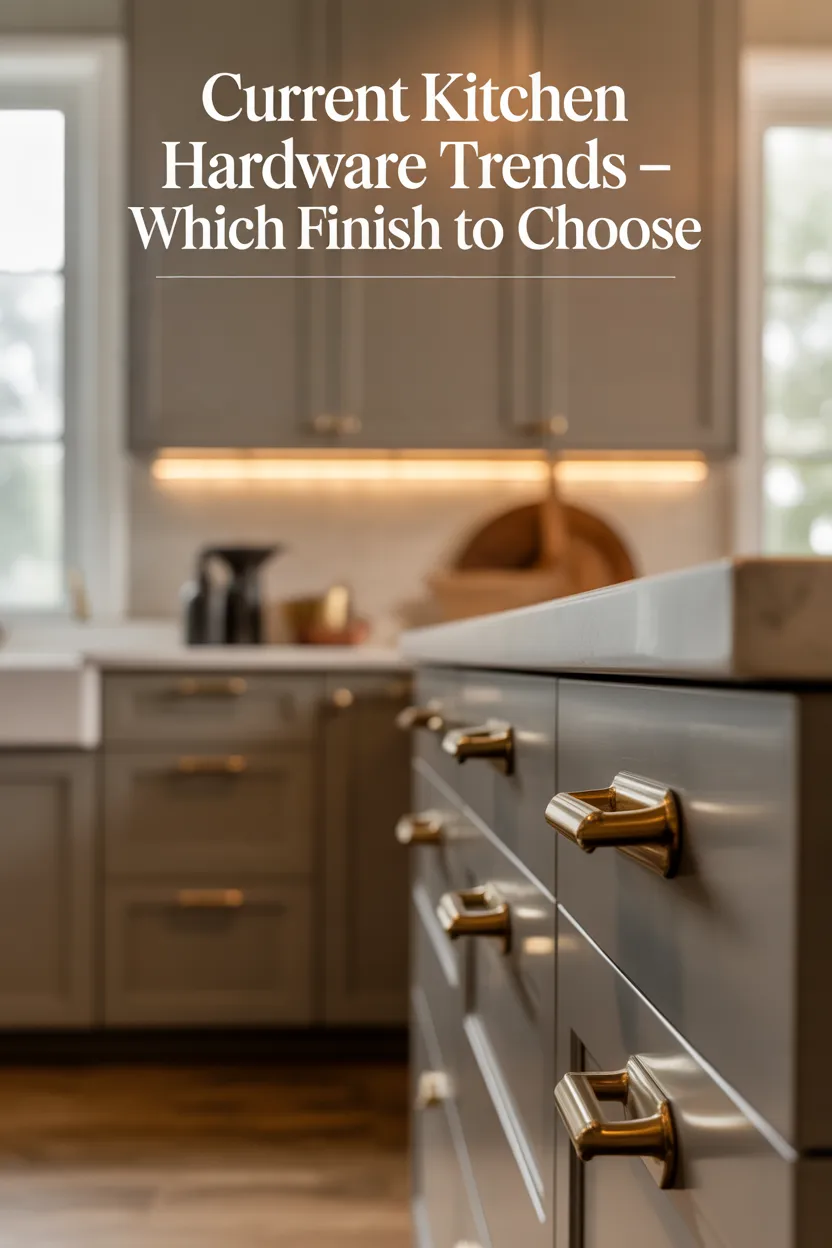
Warm Brass and Gold: Perhaps the single biggest hardware story of recent years has been the resurgence of brass — and in 2024, warm brass and gold-toned finishes remain at the absolute peak of their popularity. The key distinction between the brass of today and the brass of the 1980s that many people are old enough to associate with dated, garish kitchens is finish quality and tone. Modern brass hardware tends toward warmer, richer, more complex tones — unlacquered brass that will develop a natural patina over time, satin brass with a soft, brushed quality, and antique brass with a deliberately aged, characterful appearance. These contemporary brass finishes work beautifully alongside both warm white and off-white cabinetry and darker, more saturated cabinet colors like navy, forest green, and deep charcoal. They bring an immediate sense of warmth, luxury, and careful curation to a kitchen that no other finish quite replicates.
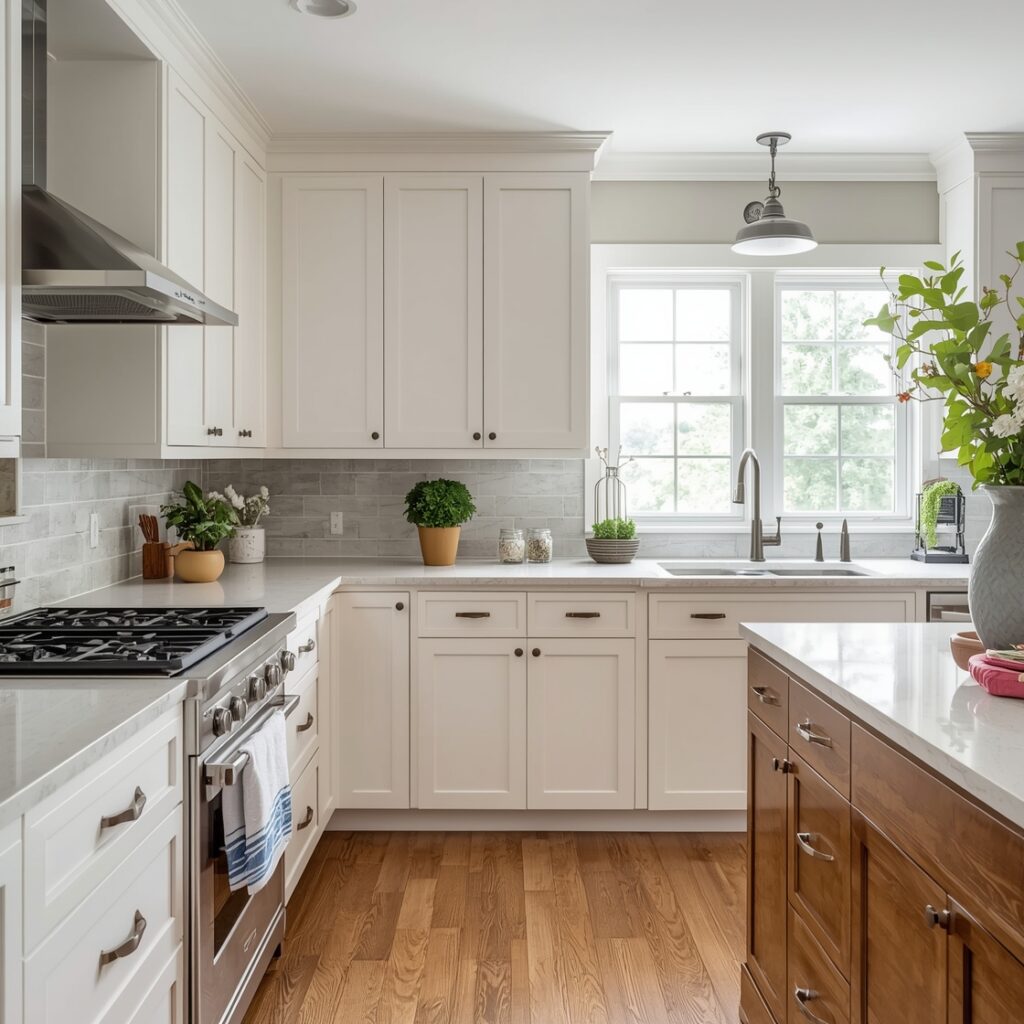
Brushed Nickel and Satin Chrome: For those who want something reliably versatile, understated, and genuinely timeless, brushed nickel and satin chrome remain among the safest and most sensible choices available. These finishes sit in a beautifully neutral middle ground — warmer than polished chrome but cooler than brass, simultaneously modern and classic, easy to clean and genuinely durable over the long term. They work comfortably alongside almost any cabinet color and any kitchen style, from sleek contemporary to transitional to relaxed farmhouse. If you are decorating a kitchen that you want to feel fresh and well-considered without making a bold or potentially divisive statement, brushed nickel or satin chrome is rarely the wrong answer.
Bronze and Oil-Rubbed Bronze: Bronze finishes — particularly the richer, darker oil-rubbed variety — bring a depth and warmth to kitchen hardware that feels genuinely luxurious and artisanal. These finishes work best in kitchens with a traditional, transitional, or Mediterranean character, where their old-world richness enhances the overall warmth and gravitas of the space. They pair particularly well with warm wood tones, terracotta-adjacent tile choices, and cabinet colors in the cream, warm white, or earthy green family. One important consideration with oil-rubbed bronze is that it tends to be more finish-specific — meaning it works extraordinarily well in the right setting but can feel heavy or out of place in a kitchen that leans more minimalist or contemporary.
Mixed Metals: One of the most liberating developments in kitchen hardware thinking over the past few years has been the widespread acceptance — and even celebration — of mixing different metal finishes within the same kitchen. What once felt like a decorating mistake is now understood as an opportunity for layered, sophisticated visual interest. The key to mixing metals successfully is to maintain a consistent underlying tonal direction — either keeping all your metals warm-toned (combining brass with bronze and copper, for example) or all cool-toned (pairing chrome with stainless steel and brushed nickel) — while varying the specific finishes for visual texture. Introducing a wildcard of a contrasting metal family — a warm brass pull here, a matte black towel rail there — works best when it is used sparingly and deliberately rather than randomly.
How This Idea Improves Your Space
Updating your kitchen hardware can instantly and dramatically transform the look and feel of your entire space — and perhaps the most remarkable thing about this particular upgrade is the extraordinary return it offers on a very modest investment. Unlike a full kitchen renovation, which requires significant budget, planning, and disruption, swapping out cabinet pulls, knobs, and handles is something that can typically be accomplished in a single afternoon with nothing more than a screwdriver. Yet the visual impact of that simple change can be genuinely breathtaking, particularly if you are moving from a tired, outdated finish to something that feels current, considered, and cohesive.
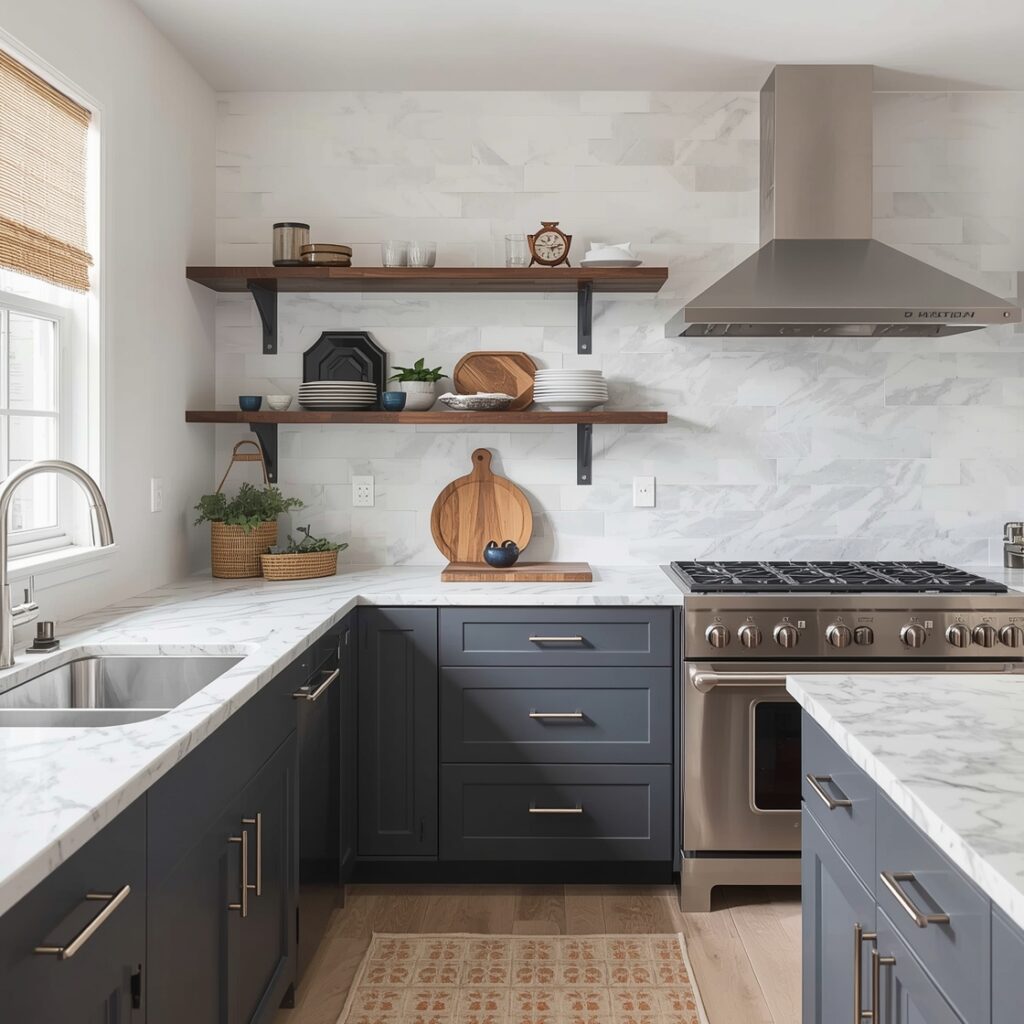
Opting for a finish that harmonizes with your existing cabinet color is the single most reliable way to ensure a successful hardware update. If your cabinets are white or off-white, you have perhaps the widest range of options available to you — virtually every finish on the market will work, allowing you to choose based purely on the aesthetic direction you want the kitchen to take. Matte black will push the space toward graphic, modern drama. Warm brass will take it in a warmer, more artisanal direction. Brushed nickel will keep things clean, current, and versatile. The choice is genuinely yours.
For kitchens with darker or more saturated cabinet colors — navy, forest green, deep charcoal, or rich hunter green — warm metals like brass, bronze, and gold tend to be the most successful choices, bringing light, warmth, and contrast to a space that might otherwise risk feeling heavy or cave-like. The combination of a deep, saturated cabinet color with warm brass hardware is one of those genuinely iconic pairings that consistently delivers stunning results, and it is worth considering seriously if your kitchen falls into this category.
Beyond aesthetics, it is also worth thinking about form factor and scale when choosing your hardware. The size and shape of your pulls and knobs should be proportional to the size of your cabinet doors and drawers — oversized bar pulls on tiny cabinet doors can look clumsy and awkward, while delicate small knobs on wide, heavy drawer fronts can feel fiddly and impractical. In 2024, longer bar pulls — typically in the 5 to 8 inch range — are among the most popular choices for drawers and larger cabinet doors, offering both a confident, contemporary visual statement and the practical benefit of being ergonomically easy to grip and open. Smaller cup pulls and round knobs remain beautiful and appropriate choices for more traditional or furniture-style kitchens where a sleeker, more architectural bar pull might feel out of character.
Ultimately, the best kitchen hardware choice is always the one that serves your specific kitchen, your specific lifestyle, and your specific aesthetic vision — not the one that happens to be trending most heavily on social media at any given moment. Trends are a useful starting point and a helpful source of inspiration, but they should never be the final word. Use them to expand your thinking and discover options you might not have considered, then filter those options through the lens of your own kitchen’s particular needs and personality. Do that, and you will always end up with hardware choices you are genuinely proud of — not just today, but for every day you spend in that kitchen for years to come.