In the world of interior design, trends come and go with remarkable speed. What feels impossibly fresh one season can feel exhausted and overexposed the next. One color that has made a significant and lasting impact in recent years is olive green. But as we move deeper into 2024, many homeowners, designers, and décor enthusiasts are asking the same honest question: is olive green still a modern color, or has the trend finally peaked? Let us explore the current status of this versatile, deeply complex hue and find out whether it still holds a meaningful and relevant place in today’s design landscape — or whether it is time to start looking elsewhere for fresh inspiration.
The short answer, for those who want it upfront, is this: olive green is not going anywhere. But the longer, more interesting answer is a story about why certain colors transcend trend cycles entirely, becoming permanent fixtures in the design vocabulary rather than fleeting seasonal obsessions. Olive green is one of those rare hues that manages to feel simultaneously ancient and completely current — rooted in the natural world in a way that guarantees its staying power regardless of what the trend forecasters are saying in any given year.
Why Olive Green Became a Popular Interior Color
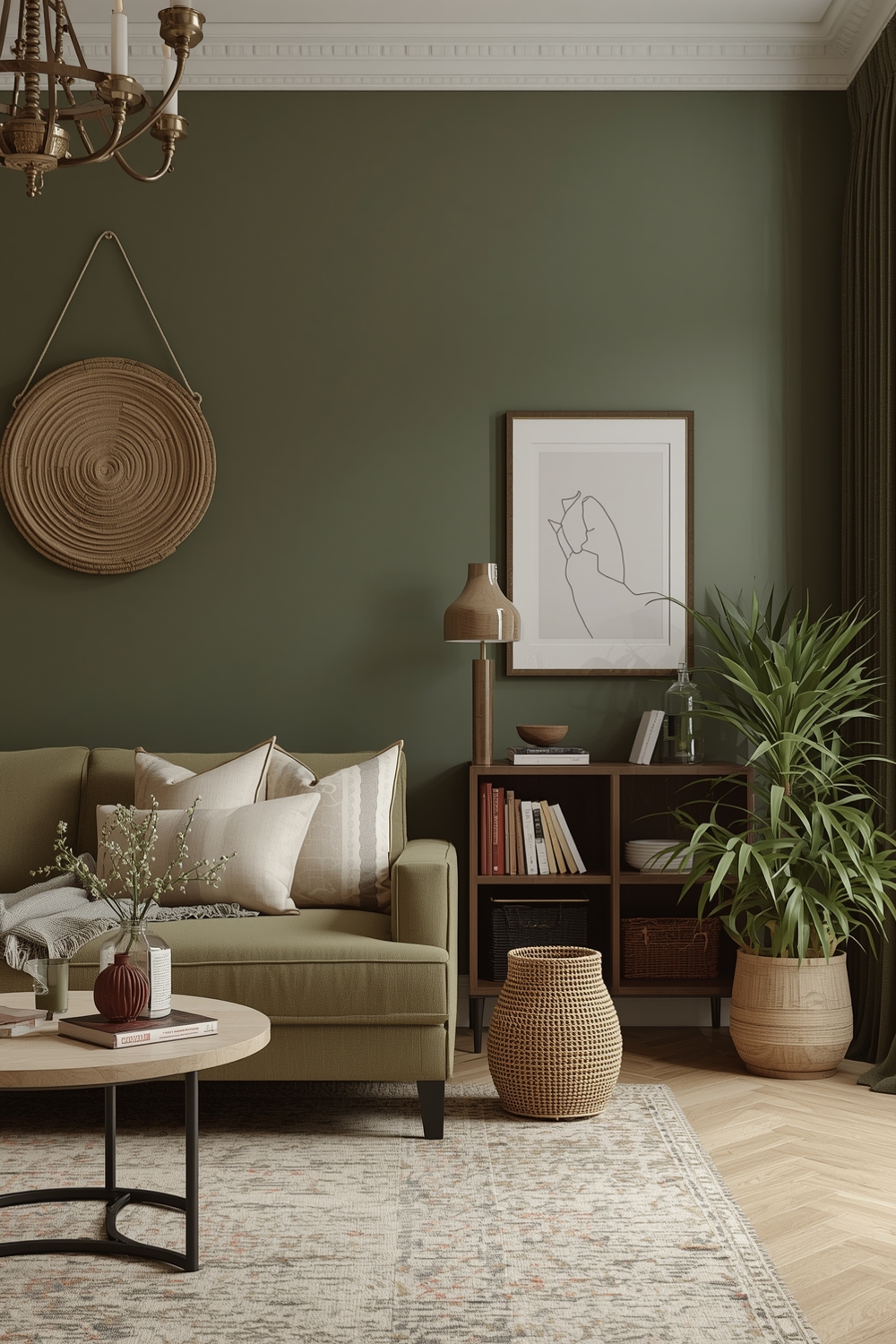
Olive green first gained widespread popularity in interior design due to its calming and deeply earthy qualities. This versatile color can work well across a remarkable range of design styles, from sleek modern and Scandinavian minimalism to warm traditional and rustic farmhouse aesthetics. Its ability to bring a genuine sense of nature indoors has made it a favorite choice for homeowners looking to create tranquil, grounded spaces that feel like a true retreat from the noise of daily life. The olive green interior design trend has continued to thrive over the years, with designers finding inventive and sophisticated new ways to incorporate this complex hue into their projects season after season.
Part of what drove olive green’s rise to prominence was a much broader cultural shift that began gaining real momentum in the late 2010s. As more people found themselves spending greater portions of their lives indoors — staring at screens, commuting, and navigating the relentless pace of modern urban life — a collective hunger emerged for interiors that felt more connected to the natural world. Biophilic design, the philosophy of incorporating natural elements and references into built environments, moved from a niche architectural concept to a mainstream decorating priority almost overnight. And olive green, with its direct visual evocation of leaves, lichen, dry grass, and forest undergrowth, became one of the most accessible ways for everyday homeowners to tap into that deeply human need for nature.
The timing could not have been better. Just as the minimalist, all-white interior aesthetic that had dominated the 2010s was beginning to feel cold, clinical, and impersonal to many people, along came olive green with its warmth, depth, and organic complexity. It offered a way to move away from stark white walls without diving headfirst into the intimidating territory of deep, saturated colors. It was warm without being garish, interesting without being loud, and sophisticated without feeling stuffy. For a design world that was desperately hungry for something that felt grounded and real, olive green arrived at exactly the right moment.
Social media played a significant role in amplifying the trend as well. When beautifully styled interiors featuring olive green walls, velvet sofas, and terracotta accessories began proliferating across Pinterest boards and Instagram feeds, the color rapidly became associated with a particular kind of aspirational, grown-up domesticity that resonated with a huge and style-conscious audience. Interior design accounts racked up millions of followers showcasing olive green kitchens, bedrooms, and living rooms. Paint brands reported dramatic spikes in sales of their olive and dark green shades. The color had officially arrived — not as a quirky niche choice, but as a genuine mainstream force.
Key Factors That Keep Olive Green Looking Modern
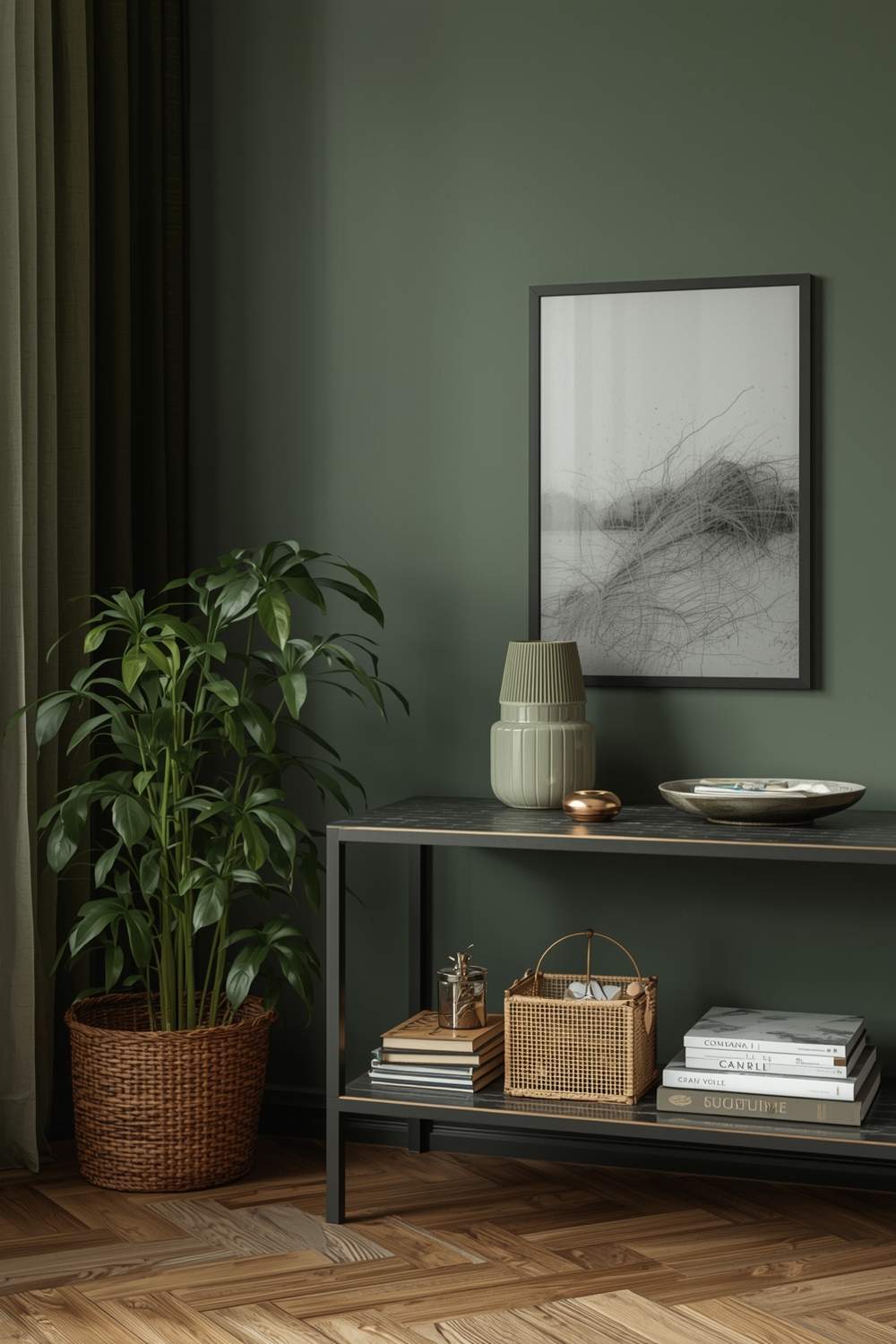
Despite being around for some time now, olive green remains a thoroughly modern color due to its extraordinary versatility and its remarkable ability to adapt to different design aesthetics with ease. Its muted, complex tone can serve as a sophisticated neutral backdrop in one context and make an unapologetically bold statement in another, depending entirely on how it is deployed. The timeless appeal of olive green makes it a genuinely compelling choice for both classic and contemporary interiors — and that rare quality of working equally well across stylistic categories is precisely what separates enduring colors from passing fads.
One of the key factors behind olive green’s continued modernity is its intrinsic complexity as a color. Unlike a simple, pure green or a straightforward khaki, olive green exists in a fascinating middle ground where multiple undertones compete and collaborate simultaneously. Depending on the specific shade and the light conditions, olive green can read as almost golden, almost brown, almost grey, or almost military — sometimes all within the same room at different times of day. This chromatic complexity makes it endlessly interesting to live with, and it is one of the main reasons why people who choose olive green for their homes rarely regret it. The color rewards attention and rewards the changing quality of light in a way that simpler colors simply cannot.
Its compatibility with other colors is another enormous factor in its staying power. Olive green plays extraordinarily well with an unusually wide range of palettes. It works beautifully alongside warm neutrals like cream, sand, and caramel. It holds its own next to rich, saturated tones like burnt orange, deep rust, and amber. It creates a striking, sophisticated contrast with blush pink and dusty rose. It harmonizes naturally with other earth tones — terracotta, clay, warm brown, and raw linen. And it can even serve as a surprisingly effective foil to cooler tones like dusty blue and soft charcoal when handled with a skilled eye. Few colors offer this level of cross-palette compatibility, and it makes olive green an exceptionally easy color to build a room around without fear of it clashing or competing with other elements.
The material and textural dimension of olive green is also worth understanding. This is a color that responds differently to different materials in fascinating and beautiful ways. On a smooth, flat wall, it reads as refined and architectural. On a velvet sofa cushion, it becomes lush and seductive. On linen or cotton, it takes on a soft, lived-in, organic quality that feels immediately comfortable and approachable. On ceramic, pottery, or stonewear, it lends an artisanal, handcrafted quality that feels rich with character. This chameleonic quality — the way it shifts and transforms depending on the surface it inhabits — is one of the core reasons why olive green manages to feel at home in such a wide spectrum of interior styles, from the most minimal and austere to the most layered and maximalist.
How This Color Improves Your Space
Adding touches of olive green to your home can instantly create a sense of warmth, depth, and organic sophistication that is genuinely difficult to achieve with other colors. It is one of those rare hues that makes a space feel simultaneously more curated and more relaxed — more thoughtfully designed, but also more comfortable and livable. Whether you introduce it through a statement wall, a large upholstered piece, carefully chosen accessories, or a combination of all three, olive green has a remarkable ability to anchor a room and give it a sense of identity and intention that it may have been lacking before.
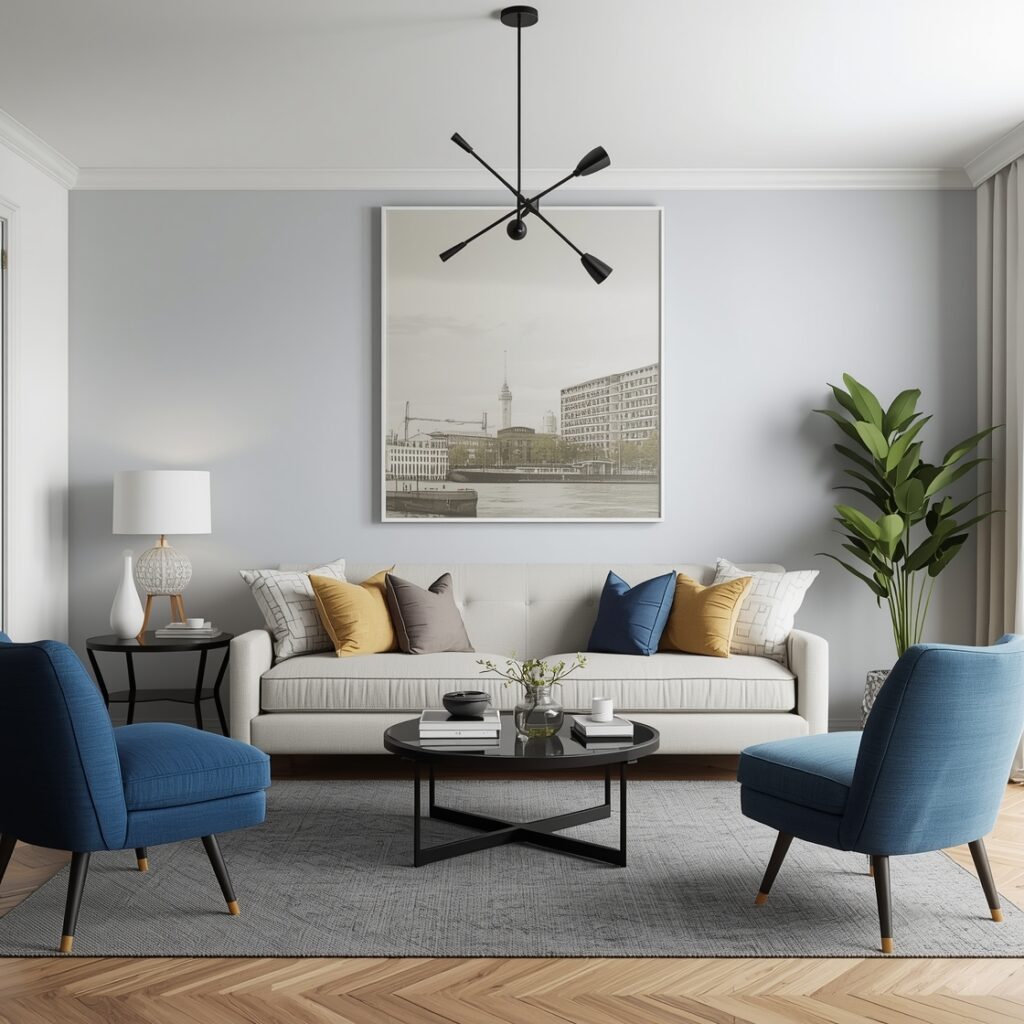
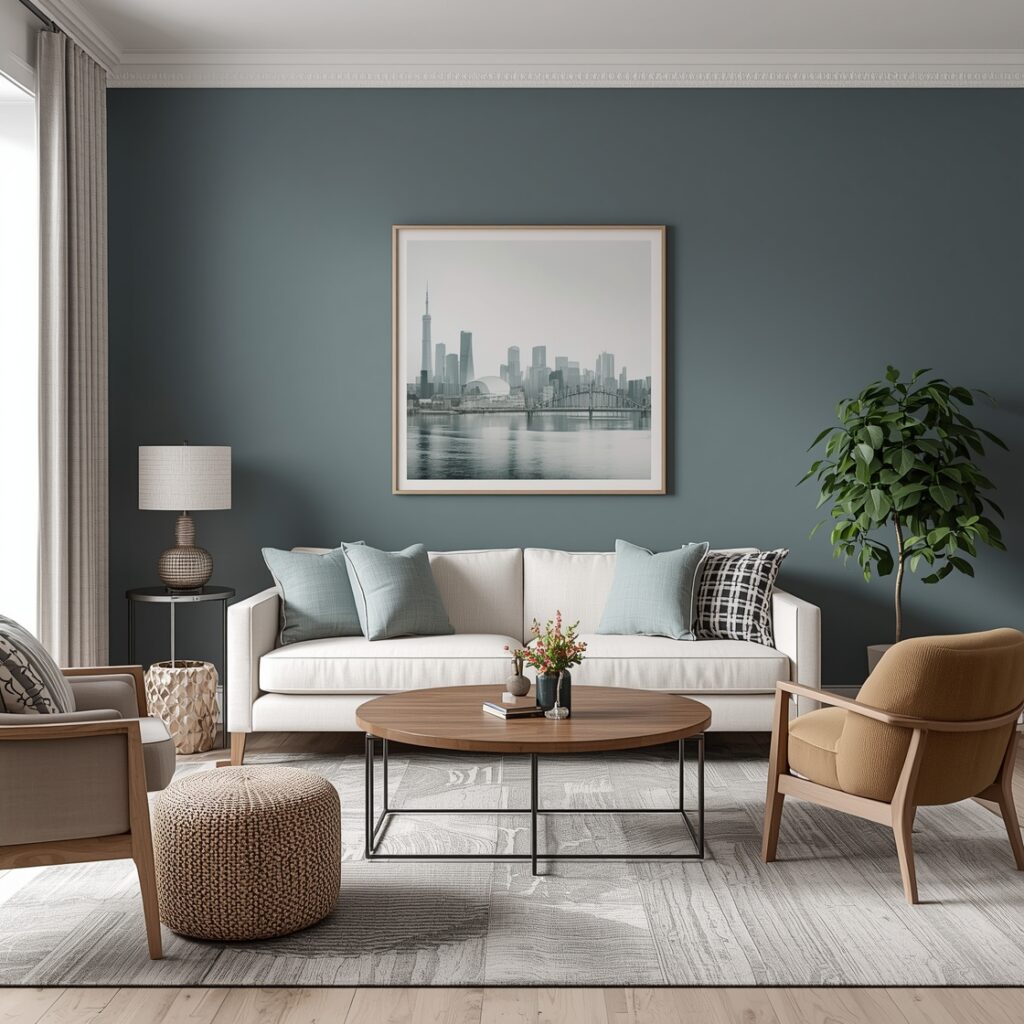
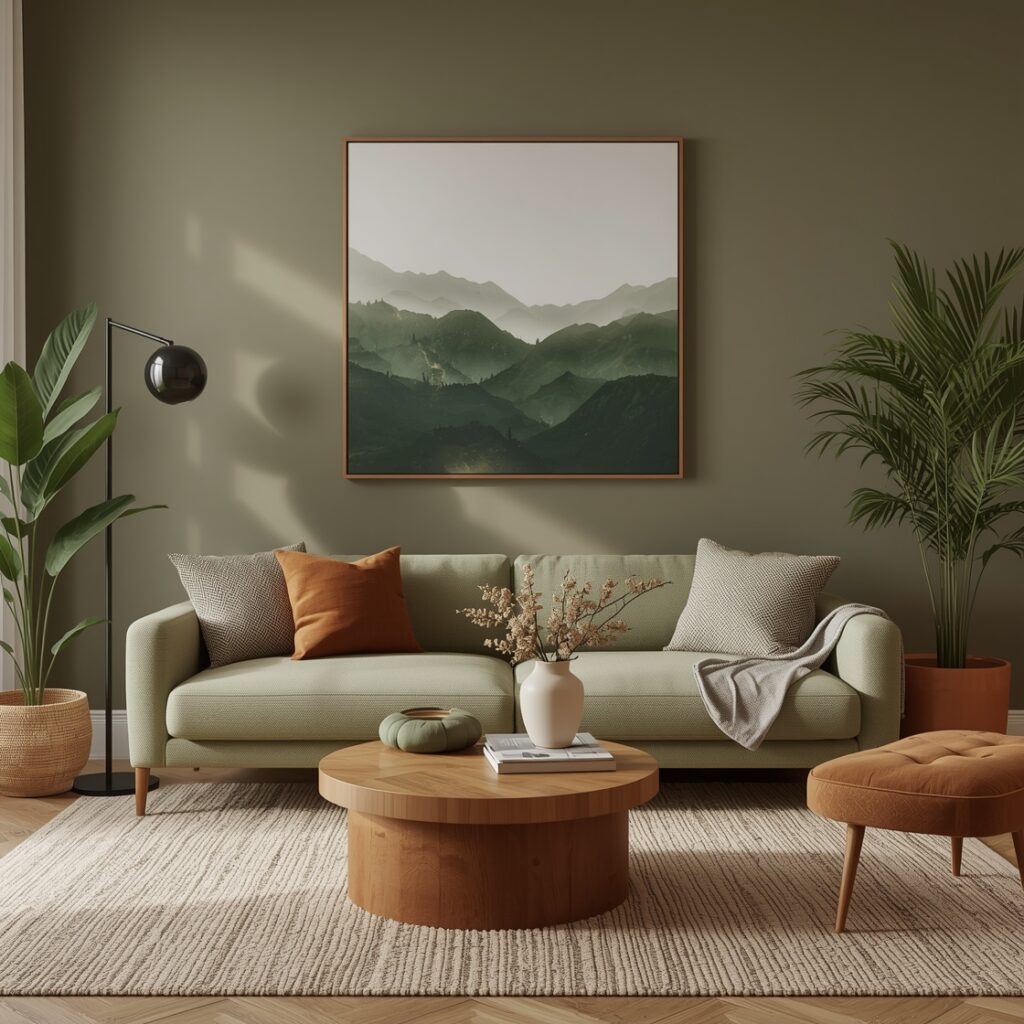
For living rooms, olive green walls or a large olive green sofa can transform a previously nondescript space into something that feels genuinely considered and characterful. Pair it with warm-toned wooden furniture, natural fiber rugs in jute or sisal, and a selection of terracotta or amber ceramics, and you will achieve that much-coveted combination of warmth, nature, and effortless style that defines the best contemporary interiors. Add a few carefully chosen plants — their living, breathing green providing a perfect tonal echo of the olive walls — and the room will feel like a true sanctuary.
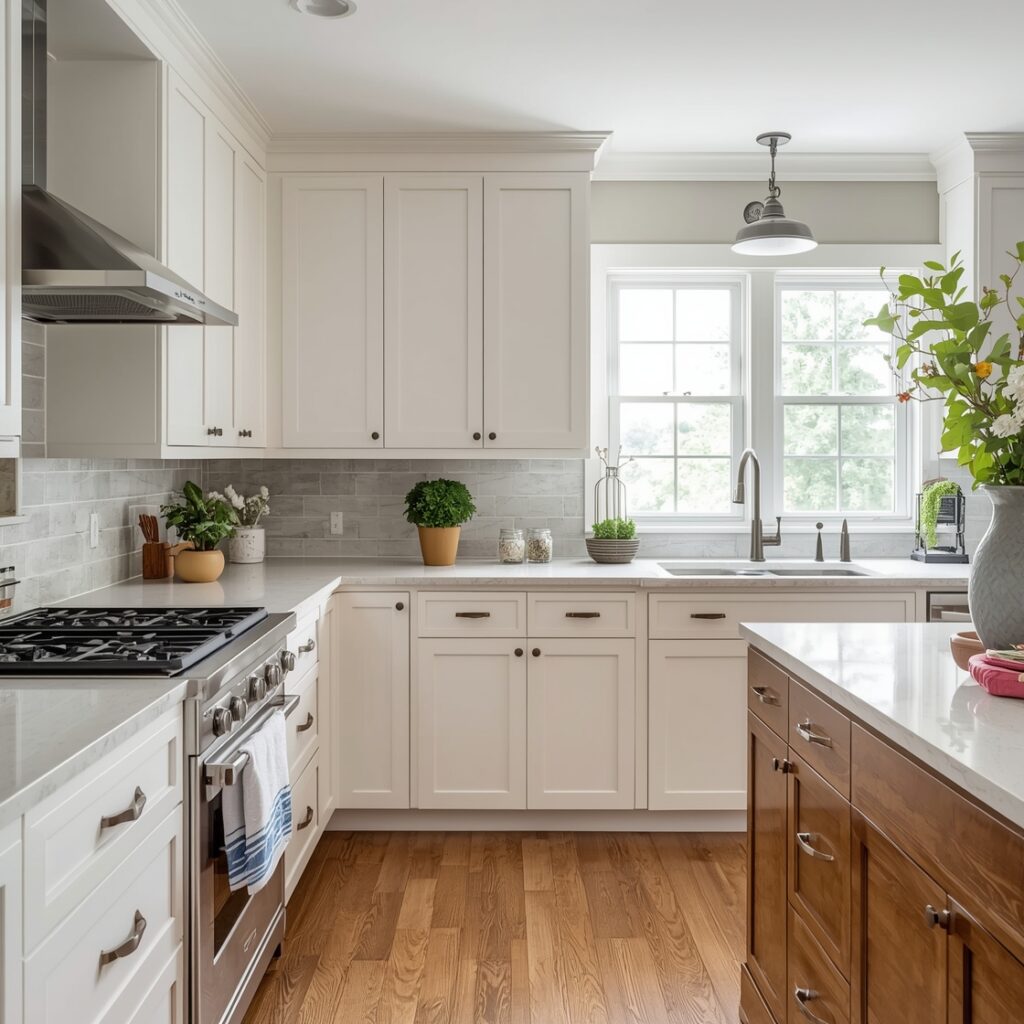
In kitchens, olive green cabinetry has become one of the most sought-after looks of the past several years, and it shows absolutely no signs of fading. Paired with warm brass hardware, natural stone countertops, and open wooden shelving, an olive green kitchen strikes the perfect balance between traditional craftsmanship and contemporary ease. It manages to feel both timeless and completely of-the-moment — a combination that is extremely difficult to achieve in any room of the house.
Bedrooms benefit enormously from olive green as well. Its natural, earthy quality makes it particularly well-suited to spaces where rest and restoration are the primary goals. An olive green feature wall behind the bed creates a lush, botanical backdrop that transforms the whole room’s atmosphere without requiring any dramatic structural changes. Layered with warm white linens, natural wood tones, and a few carefully placed plants or botanical prints, an olive green bedroom can feel like sleeping inside a living forest — calm, quiet, and completely cut off from the outside world in the best possible way.
For those who are not quite ready to commit to painting a whole wall or investing in a large piece of upholstered furniture, there are plenty of lower-commitment ways to introduce olive green into your home. Throw cushions and blankets in olive velvet or linen can completely transform the feeling of a neutral sofa. Ceramic vases, bowls, and planters in olive and moss green tones add organic warmth to shelves, mantels, and dining tables. Olive green curtains or Roman blinds frame windows beautifully and add an unexpected richness to a room that might otherwise feel a little flat. Even small, seemingly insignificant touches — a stack of books with olive and green spines, a few dried eucalyptus stems in a simple vase — can shift the entire energy of a space in a surprisingly powerful way.
So to answer the question definitively: no, olive green has not peaked. If anything, it has graduated beyond the status of trend entirely and earned a permanent place in the canon of great interior colors — alongside the whites, the navy blues, and the warm greys that have endured through decades of shifting fashions without ever truly going out of style. It is a color rooted in the natural world, adapted beautifully to the domestic one, and refined by years of widespread use into something that feels not just fashionable, but genuinely timeless. If you have been hesitating to bring olive green into your home out of fear that you have already missed the moment, stop hesitating. The moment for olive green is not behind you — it is, in every meaningful sense, still very much now.