When it comes to designing your living room, understanding the rule living room design and proportion rules can make a significant difference in the overall look and feel of the space. One common guideline that interior designers often follow is the 2/3 rule, but what exactly does this mean and how can you implement it effectively? If you have ever walked into a living room and instantly felt that something was “off” — even though you could not quite explain why — there is a very good chance that the proportions were simply not working. Rooms that feel awkward, crowded, or strangely empty almost always share one common problem: the furniture, art, and décor have been arranged without any consistent guiding principle holding everything together. That is exactly where the 2/3 rule comes in, and once you understand it, you will never look at a living room quite the same way again.
The 2/3 rule is not some rigid, complicated formula that only professional interior designers can decode. It is, at its heart, a beautifully simple principle rooted in the same instinct for harmony that artists and architects have relied on for centuries. Think of it as a practical cousin of the golden ratio — a straightforward way of dividing space, sizing objects, and arranging elements so that everything feels naturally balanced, intentional, and pleasing to the eye. Once you start seeing living rooms through the lens of this rule, you will quickly realize just how universally it applies, from the largest open-plan family rooms to the most compact city apartments.
Why Proportion Rules Matter in Living Room Design
Proportion rules play a crucial role in creating a well-balanced and visually appealing living room. The 2/3 rule, in particular, refers to dividing the space — whether vertically or horizontally — into proportions of 2:3. This can help you create a harmonious layout that feels just right, without overcrowding certain areas or leaving awkward empty spaces that feel unfinished. By following this rule, you can achieve a genuine sense of balance and symmetry that enhances the overall aesthetic of your living room in a way that feels effortless and considered.
But why does proportion matter so deeply to begin with? The answer lies in how our brains process visual information. Human beings are wired to seek out patterns, balance, and harmony in the things we see. When objects in a room are sized and placed in ways that feel proportionally correct, our brains register this as pleasant, comfortable, and inviting — even if we never consciously identify why. Conversely, when proportions are off — when a tiny rug sits awkwardly under an oversized sofa, or when a massive piece of art overwhelms a small wall — our brains pick up on that imbalance immediately, creating a vague but persistent sense of discomfort that is hard to shake.
This is precisely why so many people invest significant time and money into decorating their living rooms, yet still end up with spaces that feel somehow wrong. They focus on individual pieces — choosing a beautiful sofa here, a stunning coffee table there — without ever stepping back to consider how those pieces relate to each other and to the room as a whole. Proportion rules like the 2/3 rule give you a structured framework for making those relational decisions wisely, ensuring that every element of your living room contributes to a cohesive, well-composed whole rather than a collection of isolated, competing objects.
It is also worth noting that proportion rules are not just about aesthetics — they have a very real impact on functionality. A living room where furniture is arranged according to thoughtful proportions will naturally feel easier to move through, more comfortable to spend time in, and more socially inviting. Guests will instinctively gravitate toward well-proportioned seating arrangements. Conversations will flow more naturally when the furniture is placed at the right distances and scales relative to each other. Understanding proportion is not just about making your living room look good — it is about making it actually work better as a living space.
Throughout history, great designers and architects have returned again and again to proportion as the foundational principle of beautiful, functional spaces. The ancient Greeks used proportional systems in their temples and civic buildings. Renaissance artists obsessed over proportion in their paintings and sculptures. Modern interior designers carry on this same tradition every time they step into a room and begin mapping out how furniture, art, and architectural elements should relate to one another. The 2/3 rule is simply one of the most accessible and practical ways to bring this timeless principle into your own home — no professional training required.
Key Ways the 2/3 Rule Is Applied in Living Rooms
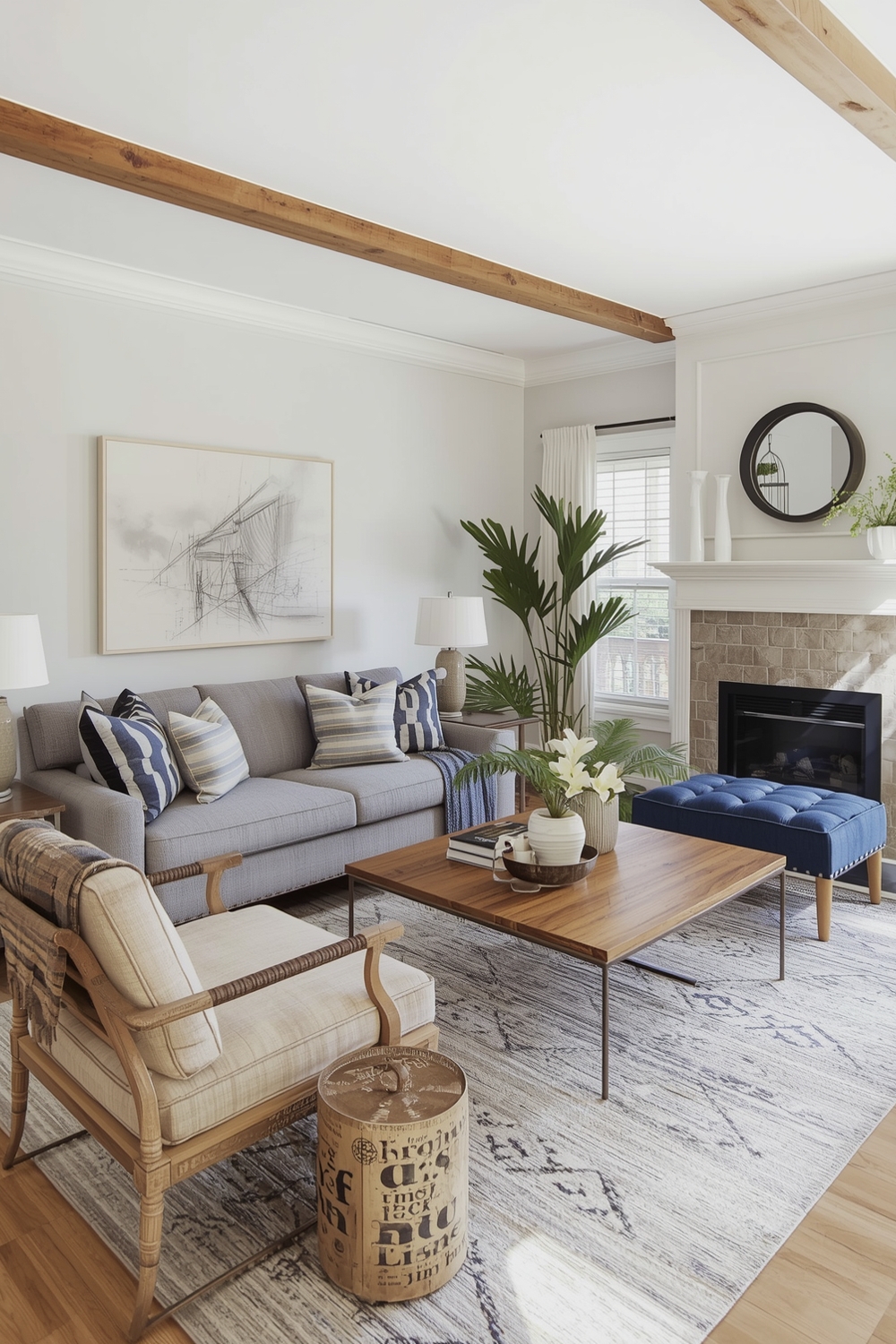
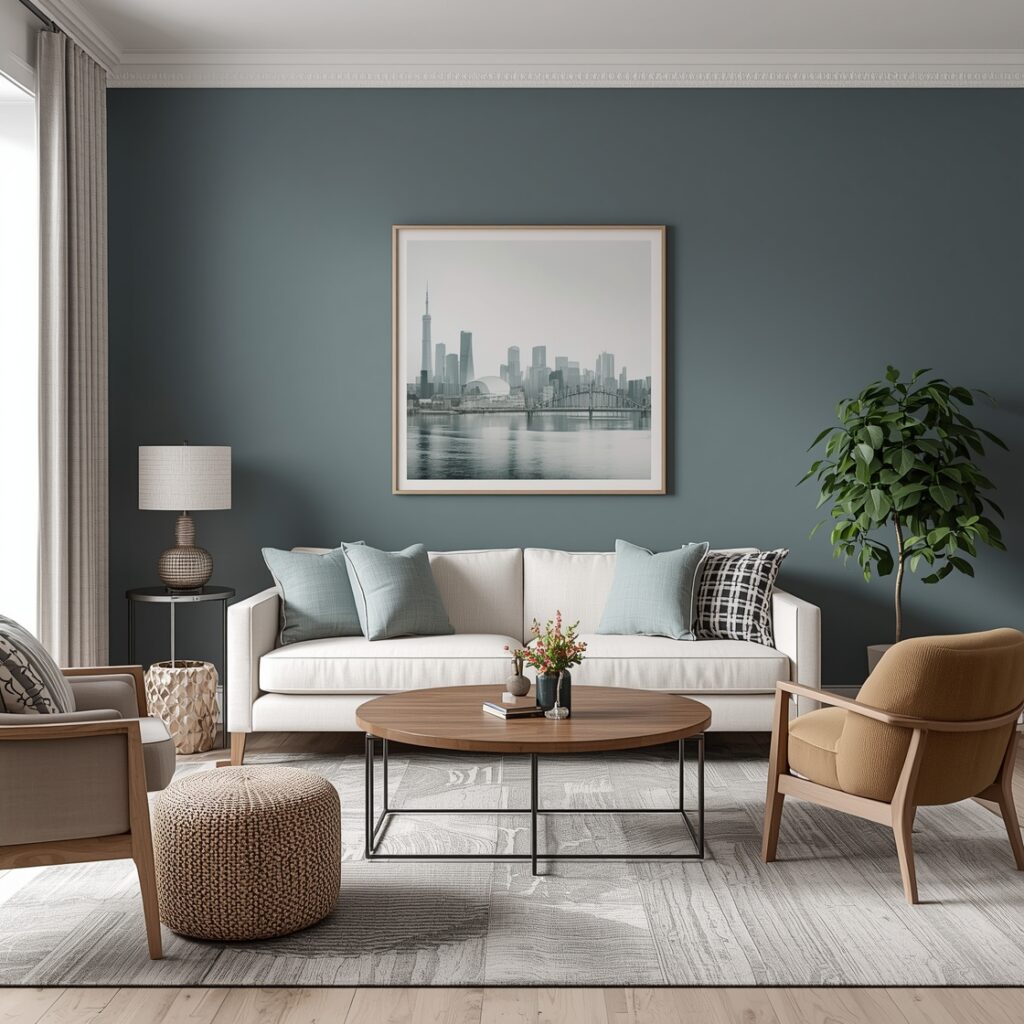
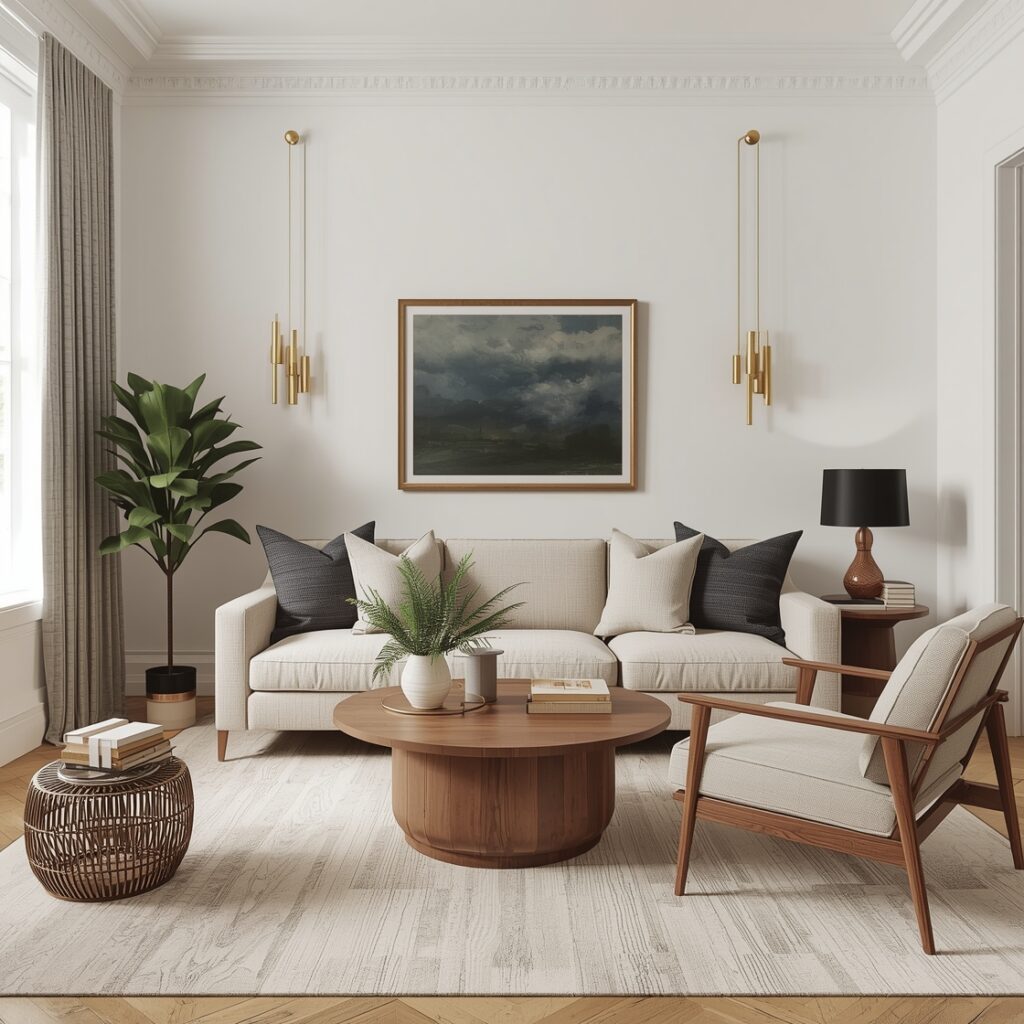
One of the most straightforward ways to apply the 2/3 rule in your living room is through furniture placement. For example, you can place your sofa along one wall, covering roughly two-thirds of that wall’s length, leaving the remaining one-third open for a side table, a floor lamp, a small armchair, or simply breathing room. This creates a visual anchor point in the room without making the space feel either overpowered by furniture or strangely sparse. The sofa becomes a dominant but not overwhelming presence — exactly the right balance for the most important seating piece in any living room.
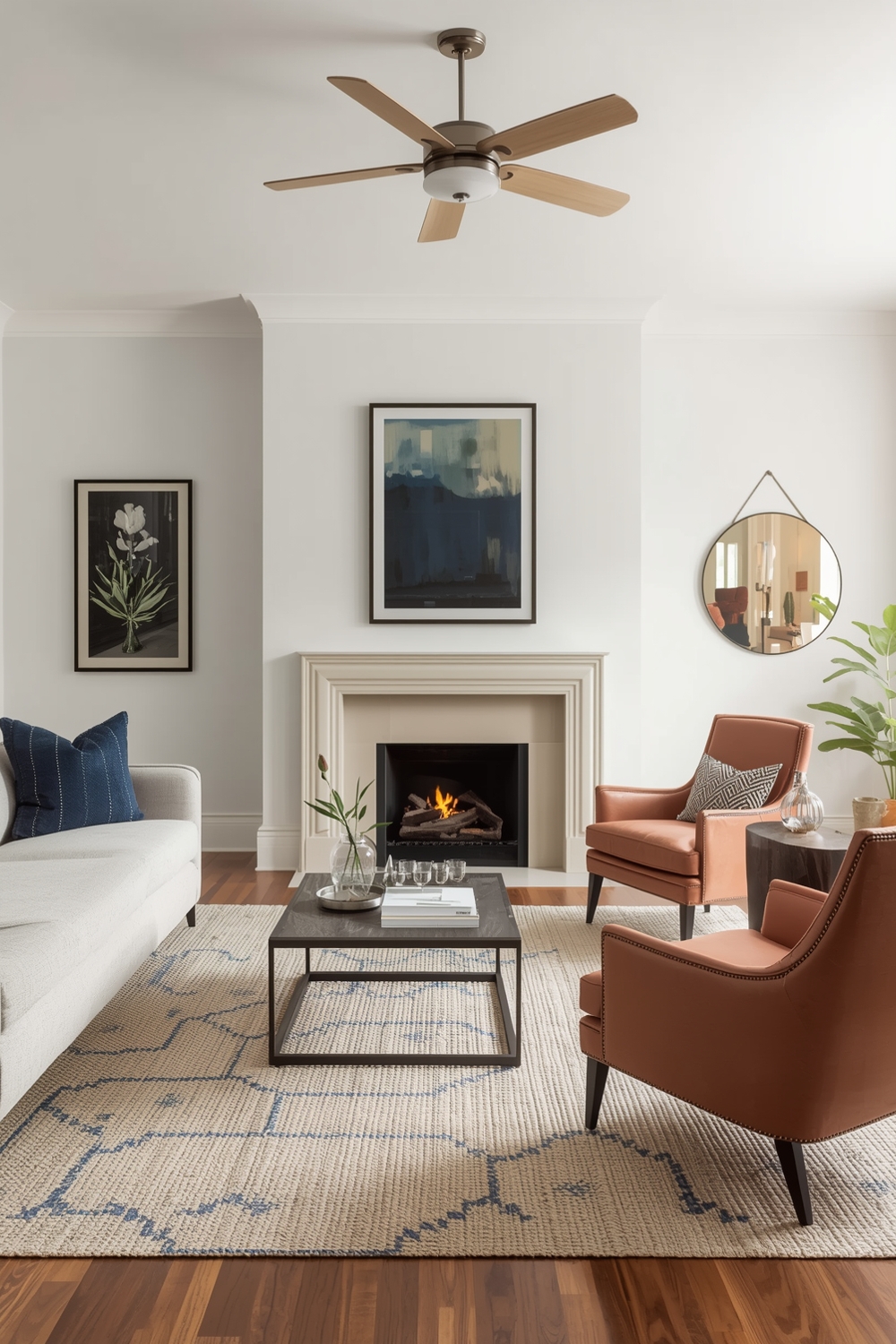
The same logic applies to how you arrange your full seating area relative to the entire room. Ideally, your primary seating group — sofa, chairs, and coffee table — should occupy approximately two-thirds of the room’s floor space, with the remaining one-third left as open circulation space or a secondary zone like a reading nook, a console table setup, or an entryway transition. This ratio keeps the room feeling comfortably furnished without ever tipping into the cluttered, claustrophobic feeling that plagues so many living rooms where every square inch has been filled.
When it comes to hanging artwork and mirrors, the 2/3 rule offers equally clear and useful guidance. A common mistake homeowners make is hanging art too high — a habit often born from the instinct to lift things up and out of the way. But art hung at the correct height creates an immediate, dramatic improvement in how a room feels. The general principle is to center artwork at roughly eye level, and when grouped arrangements or large statement pieces are involved, the 2/3 rule suggests positioning the visual center of the arrangement within the lower two-thirds of the wall height. This keeps the art grounded and connected to the furniture below it, creating a visual relationship between the two that feels cohesive and intentional.
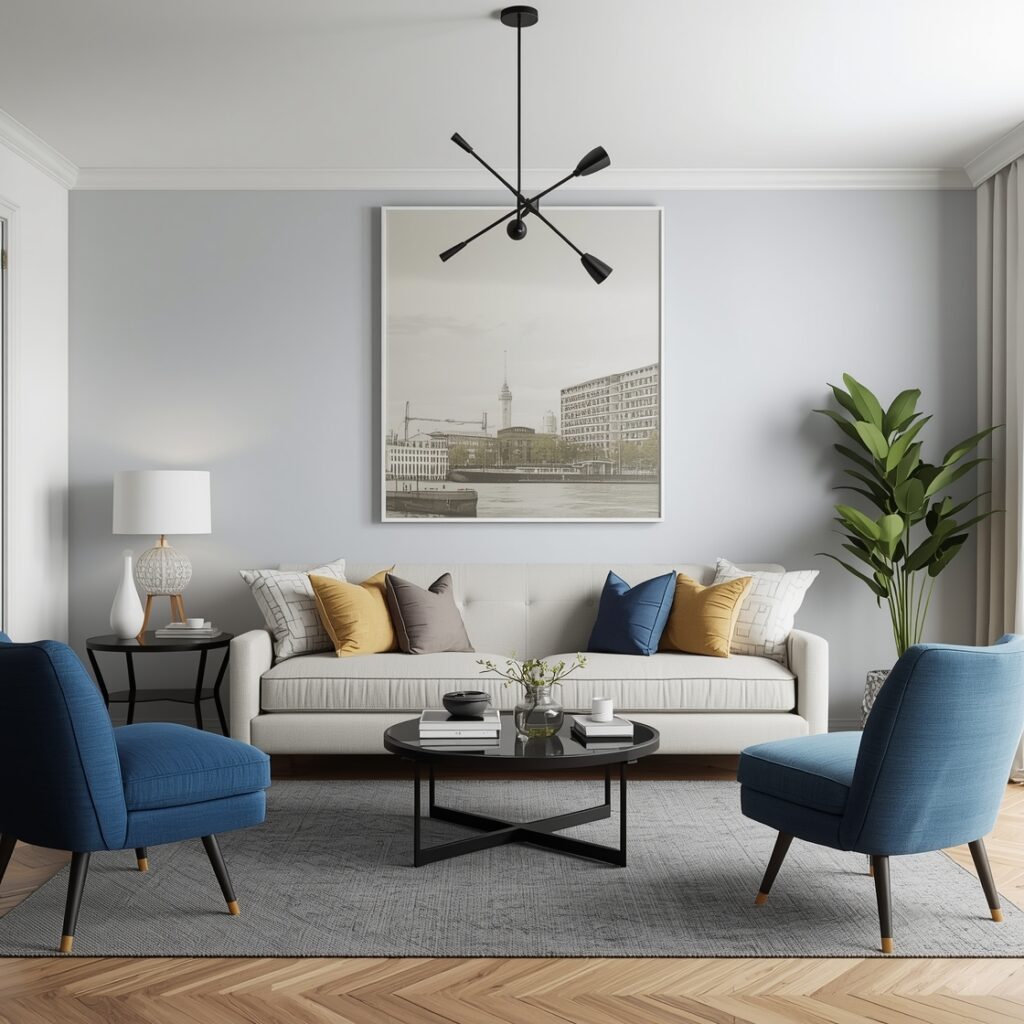
The 2/3 rule also applies elegantly to rug sizing — one of the most common sources of proportion errors in living rooms. A rug that is too small for the space it occupies is one of the most frequent decorating mistakes interior designers encounter, and it is almost always a proportion problem. The general guidance derived from the 2/3 rule is that your rug should be large enough to anchor at least the front two legs of every major piece of seating in the arrangement. Ideally, the rug should cover approximately two-thirds of the total seating area’s footprint. When a rug does this successfully, it visually ties the seating group together into a single, unified zone — which is exactly what a well-designed living room conversation area should feel like.
Window treatments are another area where the 2/3 rule proves its value. When hanging curtains, mount the rod closer to the ceiling than to the top of the window frame — this extends the visual height of the window and makes the ceiling feel taller. The curtain fabric itself should cover roughly one-third of the wall on either side of the window when drawn open, leaving the central two-thirds of the window exposed to let in light and views. This framing effect creates an elegant, proportionally balanced window treatment that makes both the windows and the walls look their very best.
Shelving and built-in storage offer yet another opportunity to apply this rule thoughtfully. When decorating a bookshelf or display unit, avoid filling every single shelf to maximum capacity. Instead, aim to keep roughly two-thirds of each shelf filled with books, objects, and decorative items, while leaving one-third of the visual space open. This breathing room is what separates a shelf that looks deliberately curated from one that simply looks stuffed. The open thirds also provide natural resting points for the eye as it moves across the shelf, which is part of why well-styled bookshelves always feel so satisfying to look at.
Even your color and pattern choices can benefit from the 2/3 framework. When working with a three-tone color scheme — a common and effective approach — the general wisdom is to use your dominant color on approximately two-thirds of the visible surfaces, your secondary color on about one-third, and your accent color sparingly as a pop throughout the space. This distribution prevents any single color from feeling overwhelming while ensuring enough variety to keep the room feeling layered, interesting, and alive.
One final application worth highlighting is the relationship between furniture height and room scale. In a room with standard ceiling heights, the general principle is that your tallest furniture pieces — bookcases, armoires, display cabinets — should reach no more than two-thirds of the wall height. Furniture that stretches all the way to the ceiling can feel oppressive and dominating, while furniture that barely rises above the midpoint of a wall can feel undersized and lost. The two-thirds height range is the sweet spot where tall furniture feels appropriately substantial without competing with the room’s architecture.
The beauty of the 2/3 rule is that it is not a straitjacket — it is a compass. A reliable point of reference that helps you make confident, well-reasoned decisions rather than guessing randomly and hoping for the best. You will not always follow it to the letter, and that is perfectly fine. Sometimes breaking a proportion rule deliberately is exactly what creates the dramatic, unexpected moment that makes a room truly memorable. But you cannot break rules effectively until you understand them deeply. Master the 2/3 rule, apply it consistently, and you will find that your living room design decisions become faster, more intentional, and far more satisfying — both in the process and in the beautiful, balanced results you achieve.