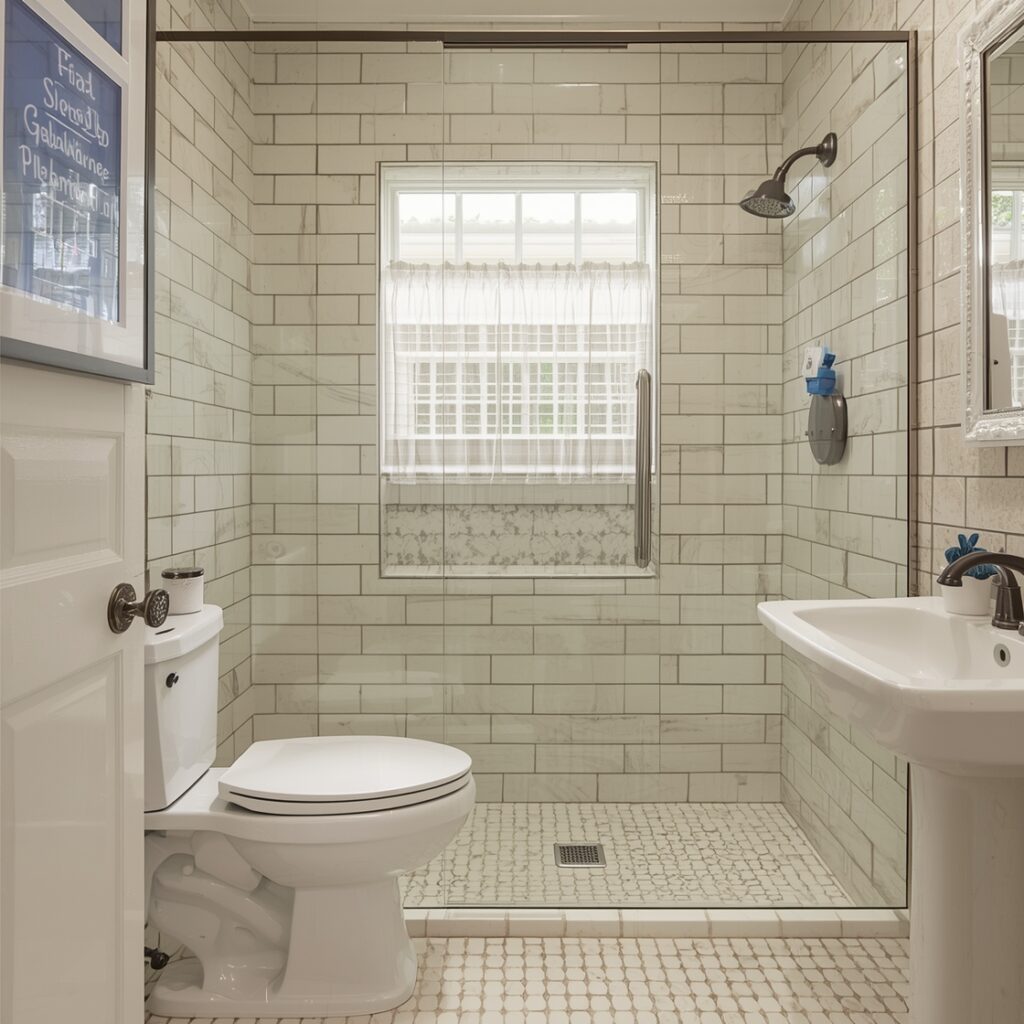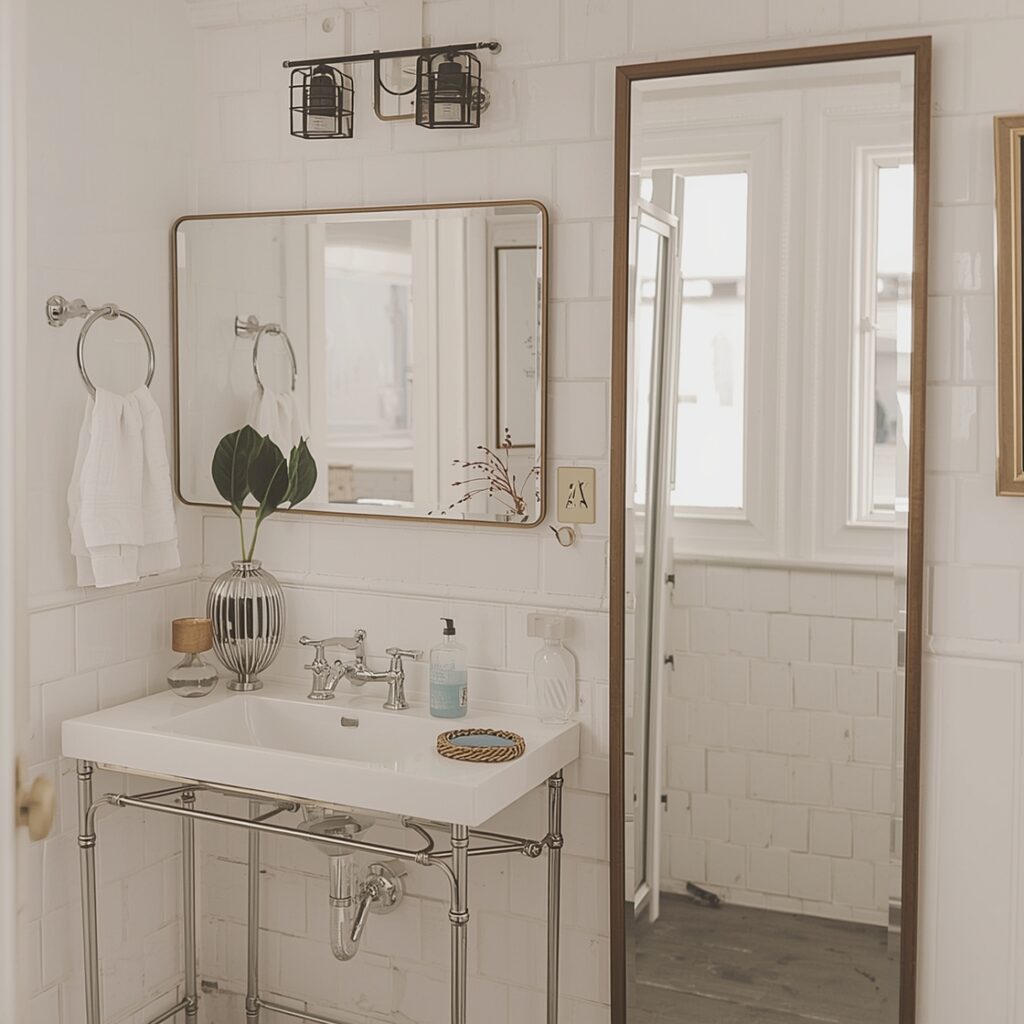
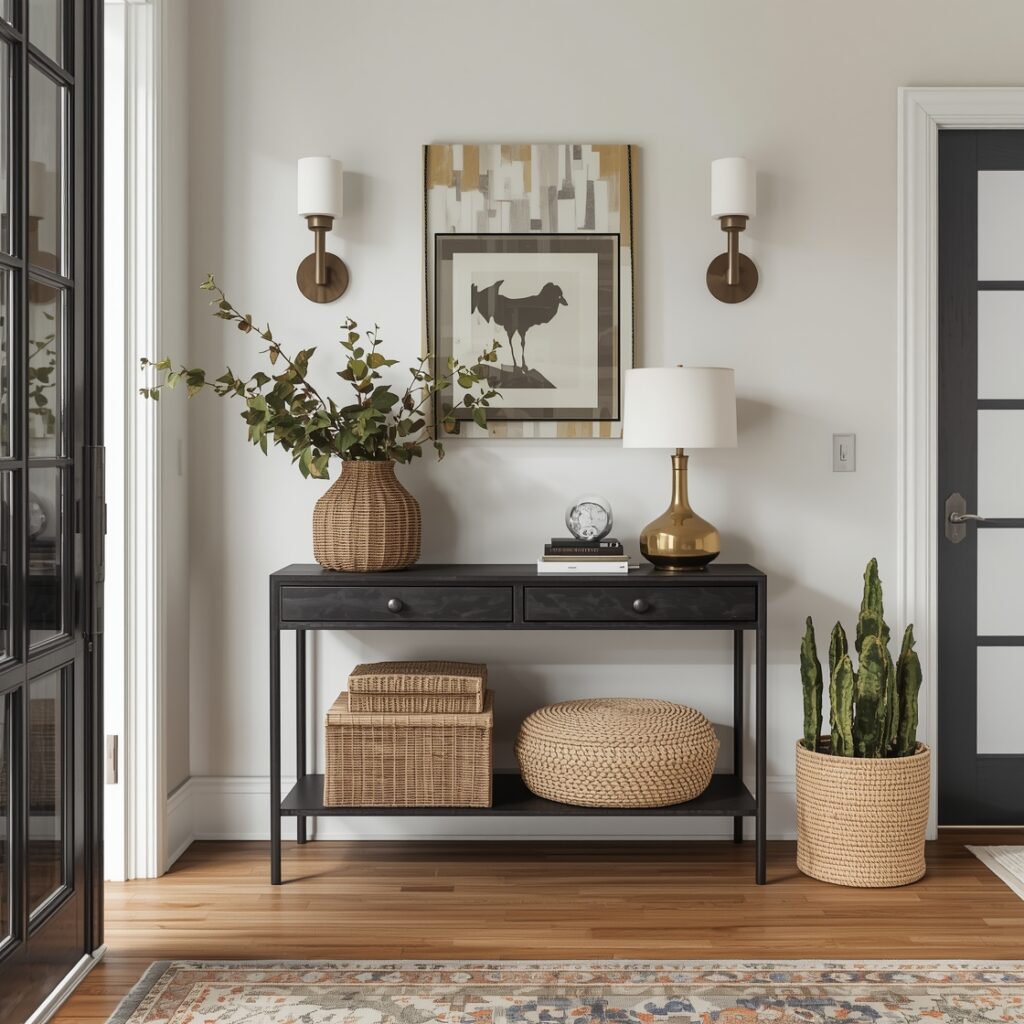
When it comes to entrance decor mistakes to avoid, many homeowners unintentionally make errors that can impact the overall aesthetic and functionality of their space. From cluttered entryways to lack of proper lighting, there are several common entryway design mistakes and hallway decor errors that can be easily rectified with the right approach.
The entryway is one of those spaces that most people rush through twice a day without giving it much thought — until a guest arrives and suddenly you see it through fresh eyes. That pile of shoes by the door that you’ve stopped noticing. The bare bulb overhead that washes everything in flat, unflattering light. The random collection of coats on hooks that has somehow doubled in size since last winter. None of these things feel urgent when you’re living with them every day, but together they add up to an entrance that undermines the rest of your home’s décor before anyone has even stepped inside.
The good news is that most entryway mistakes don’t require tearing anything out or spending a significant amount of money. They require honest assessment and some targeted changes. This guide walks through the most common errors homeowners make and, more importantly, exactly how to fix each one without starting from scratch.
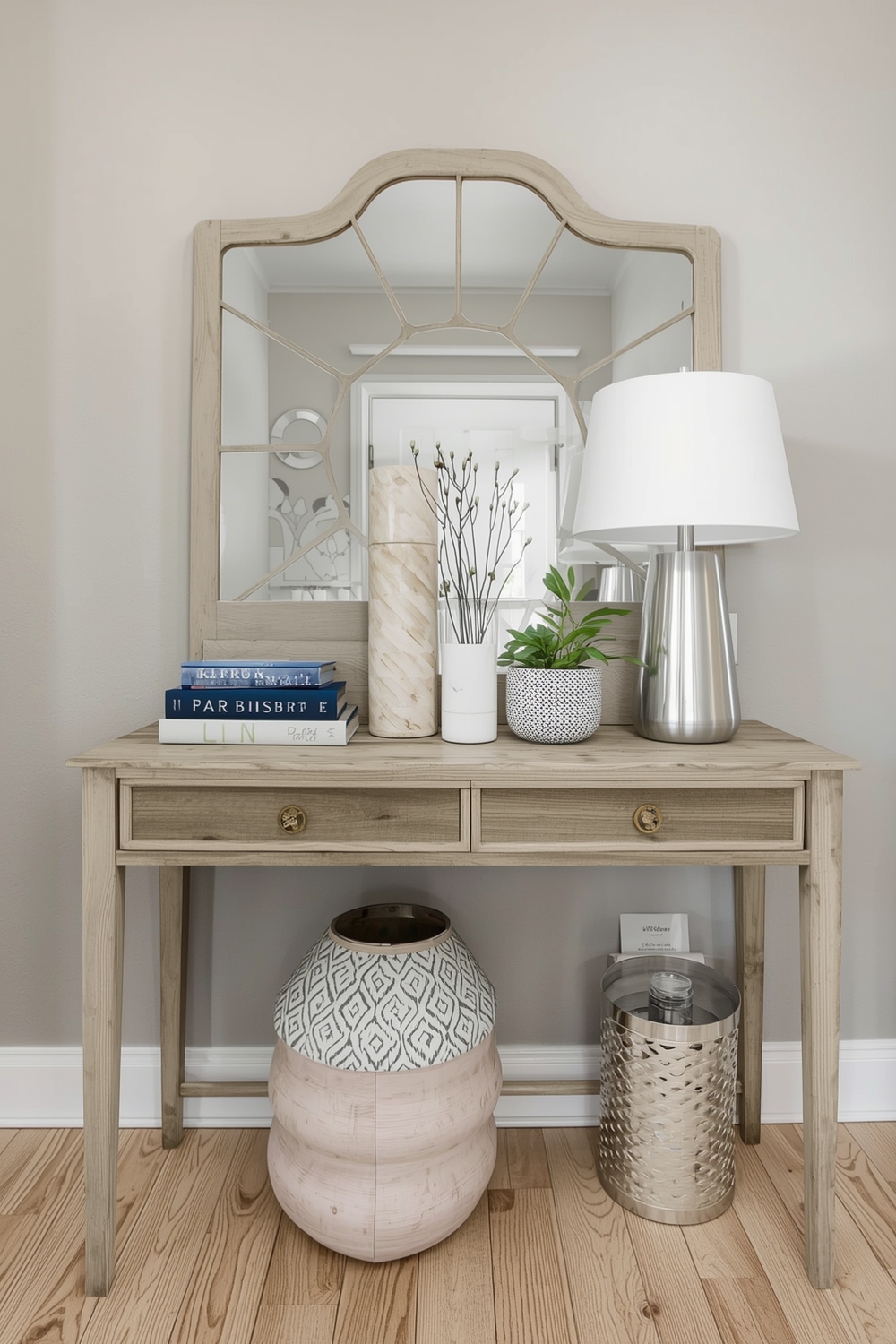
Why Entryway Design Mistakes Affect the Whole Home
Entryways are the first impression visitors have of your home, setting the tone for the rest of the space. When there are entrance decor mistakes to avoid such as clutter, poor lighting, or lack of storage, it can create a negative impact on the overall ambiance of your home. By addressing these issues, you can create a welcoming and functional space that enhances the beauty of your home.
There’s a concept in interior design sometimes called the “halo effect” — the idea that your first impression of a space colors how you perceive every room that follows. Walk into an entryway that feels cramped, dim, and disorganized, and you’ll carry that impression with you into the living room and kitchen, even if those rooms are beautifully designed. Walk into a welcoming, well-lit, organized entrance, and you arrive in the rest of the home already in a positive frame of mind.
This effect matters for guests, of course — but it matters just as much for the people who live in the home. The way you enter and exit your own space affects your mood more than most people realize. A chaotic entryway where you’re stepping over shoes, hunting for your keys, and struggling with a coat that has no proper place to hang creates low-grade stress every single morning. An organized, calming entrance sets you up to leave the house feeling collected rather than frazzled. That’s not a trivial difference — over the course of months and years, it genuinely affects your quality of life.
The entryway also performs a functional role that no other room in the house replicates: it is the transition zone between public and private life. It’s where outdoor gear is deposited, where bags get dropped, where shoes come off. If the design of the space doesn’t support those activities — if there’s nowhere to sit to remove shoes, no surface to set things down, no hooks for bags and coats — then the mess spreads into the rest of the home. Fixing the entryway isn’t just about aesthetics. It’s about containing the daily chaos at the door rather than letting it bleed into every other room.
Key Design Elements Every Entrance Should Include
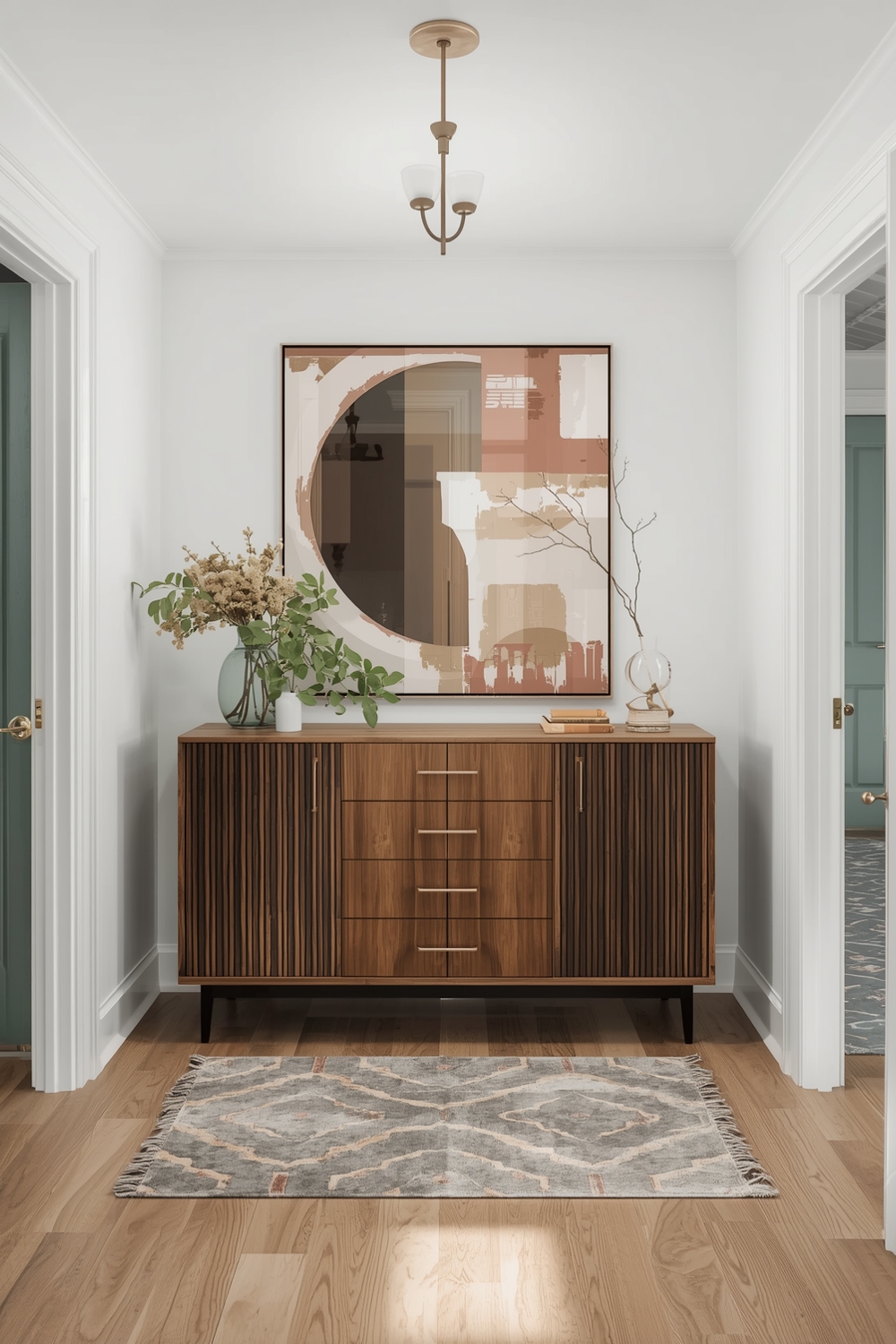
To avoid entryway design mistakes and hallway decor errors, it’s essential to incorporate key design elements into your entryway. These include proper lighting, smart storage solutions, and a welcoming focal point such as a mirror or artwork. Each of these elements plays a specific role — and neglecting any one of them tends to create problems that are difficult to compensate for with the others.
Lighting is the most foundational element, and the most commonly neglected. Most entryways rely on a single overhead fixture — often a basic flush-mount light that provides adequate illumination in a purely technical sense while doing nothing to create atmosphere or warmth. The fix here doesn’t have to be expensive. A statement pendant light, a stylish wall sconce on either side of a mirror, or even a well-placed table lamp on a console can transform the quality of light in an entryway from institutional to inviting. Layered lighting — combining overhead light with accent sources — is the standard in well-designed interiors, and the entryway deserves the same treatment.
A mirror is one of the most valuable things you can add to an entryway, and it works on multiple levels simultaneously. Practically, it gives you a place to check your appearance before leaving the house. Visually, it reflects light and makes a small space feel significantly larger. Aesthetically, a well-chosen mirror serves as a focal point and an opportunity to express your design sensibility. A large, leaning floor mirror in a narrow hallway, an ornate gold-framed mirror above a console table, or a clean modern round mirror on a white wall all communicate something distinct about the space — and all of them are dramatically better than a bare wall.
Storage is the third pillar of a functional entryway, and the specific storage solutions needed depend entirely on how your household uses the space. For most families, that means hooks for bags and coats, a place to store shoes, and a surface to set keys, mail, and other daily essentials. The mistake most people make isn’t the absence of storage entirely — it’s storage that doesn’t match their actual habits. Hooks that are too high for children to reach. A shoe rack that holds four pairs when the family has twenty. A console table that looks beautiful but has no drawers or baskets underneath, so everything just gets piled on top. Storage works when it’s designed around real behavior, not around an idealized version of how organized you plan to be.
The Clutter Problem — and Why It Keeps Coming Back
Of all the entryway mistakes that homeowners make, clutter is both the most common and the most persistent. It comes back. You clean it up, and within a week the shoes are back by the door, the pile of mail is back on the console, the reusable bags are back in a heap by the hooks. This cycle isn’t a failure of willpower — it’s a design failure. Clutter returns because the space doesn’t have sufficient, convenient storage for the items that naturally accumulate there.
The solution is to analyze what actually ends up in your entryway — not what you wish ended up there — and design storage around those specific items. If shoes are the problem, a bench with built-in shoe storage underneath kills two birds with one stone: it gives you a place to sit while removing shoes and an enclosed space to put them so they’re not visible. If mail and small items are the problem, a wall-mounted organizer with designated slots for mail, keys, and miscellaneous items creates a system that’s easy to maintain because it’s right there at the point of use. If bags and jackets are overflowing the hooks, consider whether you need more hooks, or whether some of those items should actually live elsewhere — in a closet, for example, or in the car.
One specific clutter trap worth calling out is the “just for now” surface problem. Console tables and benches in entryways have a powerful gravitational pull — things get set on them “just for now” and then stay indefinitely. The fix is to give every category of item a specific, dedicated place within the entryway. When everything has a home, the tendency to pile things on flat surfaces diminishes significantly, because putting something in its proper place is now just as easy as setting it down at random.
Scale, Color, and Style Mistakes That Are Easy to Overlook
Beyond the functional issues, entryways are prone to a set of visual mistakes that are easy to overlook when you’re living with them every day. The most common is a scale mismatch — furniture or décor that is either too small for the space, leaving it feeling sparse and unconsidered, or too large, making the area feel cramped before you’ve even taken your coat off.
A console table that’s too narrow for the wall it sits against looks timid rather than intentional. A rug that’s too small for the floor area — typically a mistake made to save money — looks like it was placed by accident rather than design. As a general rule, larger is usually better in an entryway. A substantial mirror, a generously sized rug, and a console table that fills its wall are all more visually effective than their undersized counterparts. If the space is genuinely small, the answer is thoughtful editing, not miniaturizing everything.
Color is another area where entryways often go wrong. Many homeowners default to neutral, inoffensive colors in the entry — beige, off-white, greige — on the logic that it’s a transitional space that shouldn’t compete with the rooms beyond it. This is reasonable thinking, but it often produces an entryway that feels bland and forgettable rather than welcoming. The entryway is actually one of the best places in a home to use bold color, because it’s a contained space. A deep navy, a rich forest green, a warm terracotta — these choices create a strong, memorable first impression and set an expectation of personality and confidence for the rest of the home.
Style consistency matters too. An entryway that doesn’t connect visually to the rooms beyond it creates a jarring transition that makes both spaces feel less intentional. That doesn’t mean everything needs to match — but the colors, materials, and general style vocabulary should form a coherent thread. If your living room is warm and traditional, the entryway should feel like a natural introduction to that aesthetic, not a surprise shift in direction.
How to Fix Entryway Mistakes Without a Full Renovation
The most reassuring thing about most entryway mistakes is that they don’t require significant structural change to fix. In the majority of cases, the transformation comes from editing, replacing, and adding — not from demolition or major investment.
Start by clearing everything out and seeing what you’re actually working with. Empty the space completely, clean it thoroughly, and stand in it for a few minutes before putting anything back. This reset gives you a clear picture of the bones of the space — the actual dimensions, the quality of the light, the condition of the walls and floor — without the visual noise of accumulated objects clouding your judgment.
Then reintroduce items intentionally, one category at a time. Start with the functional essentials — hooks, storage, a surface — and get those working properly before worrying about décor. Once the functional layer is solid, layer in the visual elements: a mirror, a rug, artwork, a plant. Each addition should be deliberate. If you’re not sure whether something belongs, leave it out. Entryways are spaces where restraint usually produces better results than abundance.
Finally, reassess the lighting. Even if you can’t change the fixture immediately, adding a lamp or candles can shift the quality of light enough to make a meaningful difference while you plan a longer-term solution. Good lighting costs relatively little and has an outsized impact on how welcoming a space feels — arguably more than any other single element in an entryway.
Final Thoughts: Your Entrance Sets the Tone for Everything That Follows
An entryway doesn’t need to be large, lavish, or expensively furnished to make a great impression. It needs to be intentional. It needs to function well for the people who use it every day, and it needs to communicate a sense of care and personality that prepares visitors — and residents — for the home that lies beyond it. The mistakes that most commonly undermine that goal are correctable without major investment or renovation. What they require is attention, honesty about how the space is actually being used, and the willingness to make deliberate choices rather than letting things accumulate by default. Get those things right, and your entrance will do its job beautifully — welcoming every arrival and making every departure just a little more graceful.