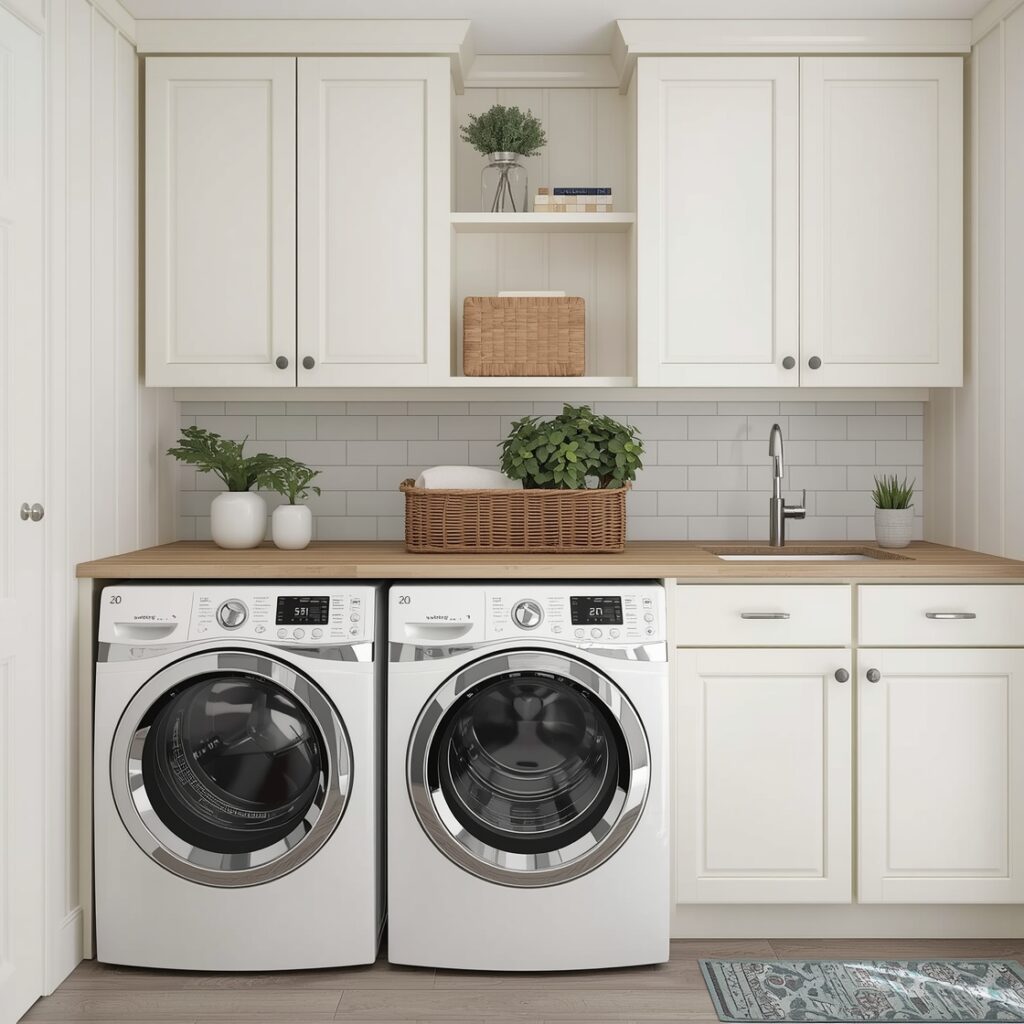
When it comes to designing a functional and stylish laundry room, choosing the right cabinets is crucial. The best cabinets for a laundry room can help you stay organized and make the most of your space, while the wrong cabinets can lead to clutter and frustration. In this blog post, we’ll explore the types of cabinets that work best in a laundry room and what you should avoid.
Most homeowners spend a great deal of time thinking about cabinet choices in the kitchen or bathroom, but the laundry room often gets treated as an afterthought. That’s a mistake — and one that tends to show itself pretty quickly once you’re tripping over detergent bottles, stacking fabric softener on the floor, or watching your cabinet doors warp from repeated exposure to steam. The laundry room deserves the same level of intentional planning, and it all starts with understanding what makes a great cabinet for this specific environment.
Why Laundry Rooms Need Different Cabinets Than Kitchens
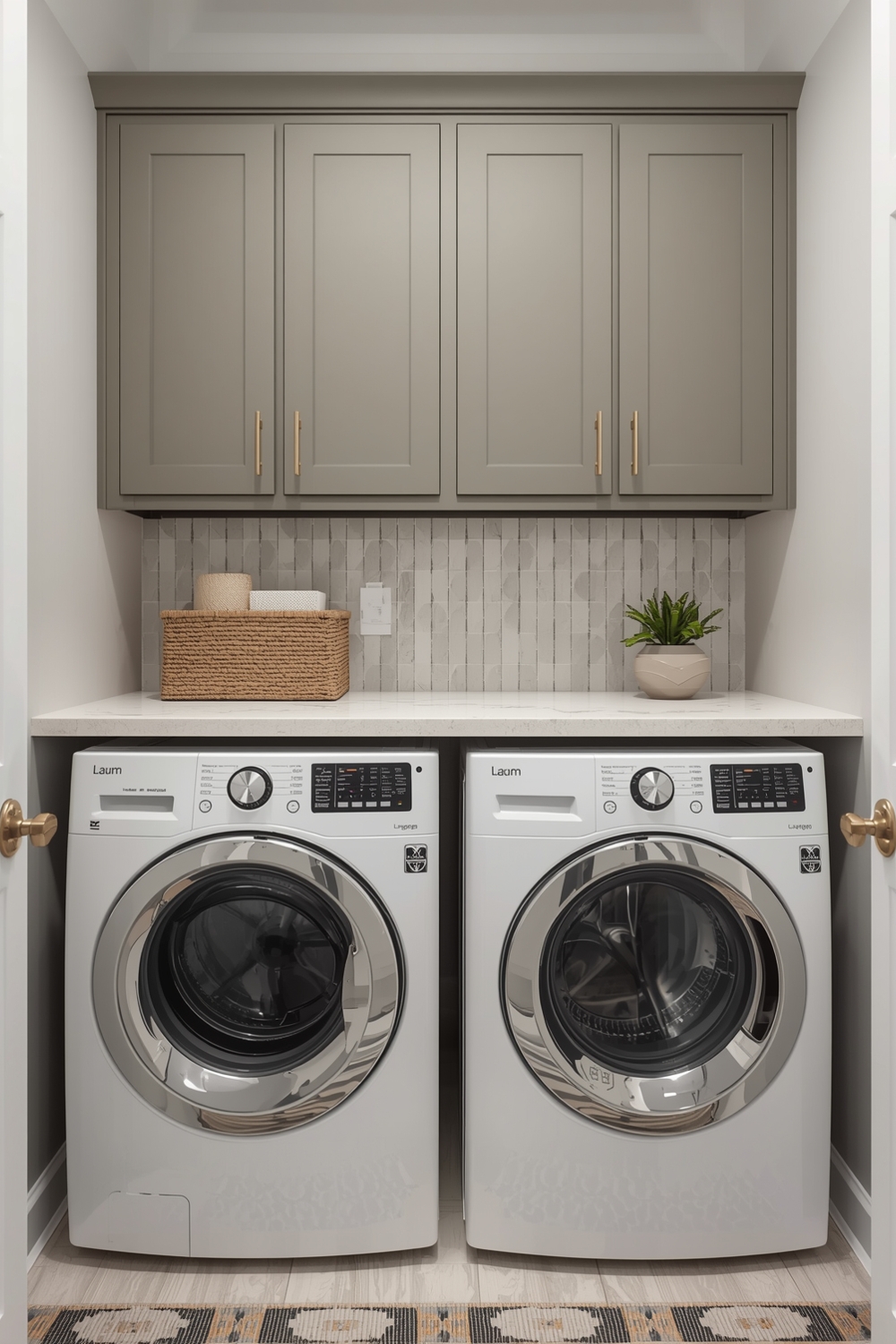
Laundry rooms have unique needs compared to kitchens, so it’s essential to choose cabinets specifically designed for this space. Laundry room cabinets need to withstand moisture, heat, and potential spills from detergents and other cleaning products. Additionally, they should provide ample storage for laundry essentials like detergent, fabric softener, and cleaning supplies. Opt for cabinets made of moisture-resistant materials like melamine or thermofoil for durability and easy maintenance.
A kitchen cabinet, even a high-quality one, is designed with cooking in mind — occasional splashes of water, grease vapor, and moderate temperature variation. A laundry room presents a much more aggressive environment. Every wash cycle produces steam that settles on surfaces. Dryers push warm, humid air into the room. Liquid detergents, bleach, and stain removers get dripped and splashed on a regular basis. Over time, these conditions will expose any weaknesses in a cabinet’s construction and materials.
Solid wood cabinets, while beautiful in a kitchen, tend to absorb moisture in laundry rooms and can swell, crack, or warp over time — especially if the room isn’t well-ventilated. This doesn’t mean you can’t have attractive cabinets in your laundry room, but it does mean that the material needs to be chosen with the environment firmly in mind rather than purely for aesthetics. Melamine-coated particleboard and medium-density fiberboard (MDF) with a thermofoil finish are popular choices precisely because they resist moisture absorption and are easy to wipe down without staining or degrading.
The hardware matters just as much as the cabinet body itself. In a moist environment, standard steel hinges and drawer slides can rust and corrode surprisingly quickly. Look for hardware that’s either stainless steel, nickel-plated, or coated specifically for humid environments. It’s a small detail that makes an enormous difference in how long your cabinets look and function like new. Soft-close hinges and full-extension drawer slides are particularly worth the investment in a laundry room because they reduce wear over thousands of open-and-close cycles — and laundry rooms, despite what you might think, get a lot of cabinet traffic.
Another distinction from kitchen cabinets is the storage demands. Kitchens need to accommodate cookware, pantry goods, and dishes — all relatively uniform in shape and weight. Laundry rooms need to handle a much more chaotic mix: bulky detergent jugs, slim boxes of dryer sheets, tall bottles of stain remover, folded linens, cleaning brushes, and sometimes pet supplies, vacuum attachments, or household tools. Adjustable shelving inside the cabinet is therefore far more valuable in a laundry room than in a kitchen, where shelf heights tend to be predictable.
Key Factors to Consider When Choosing Laundry Room Cabinets
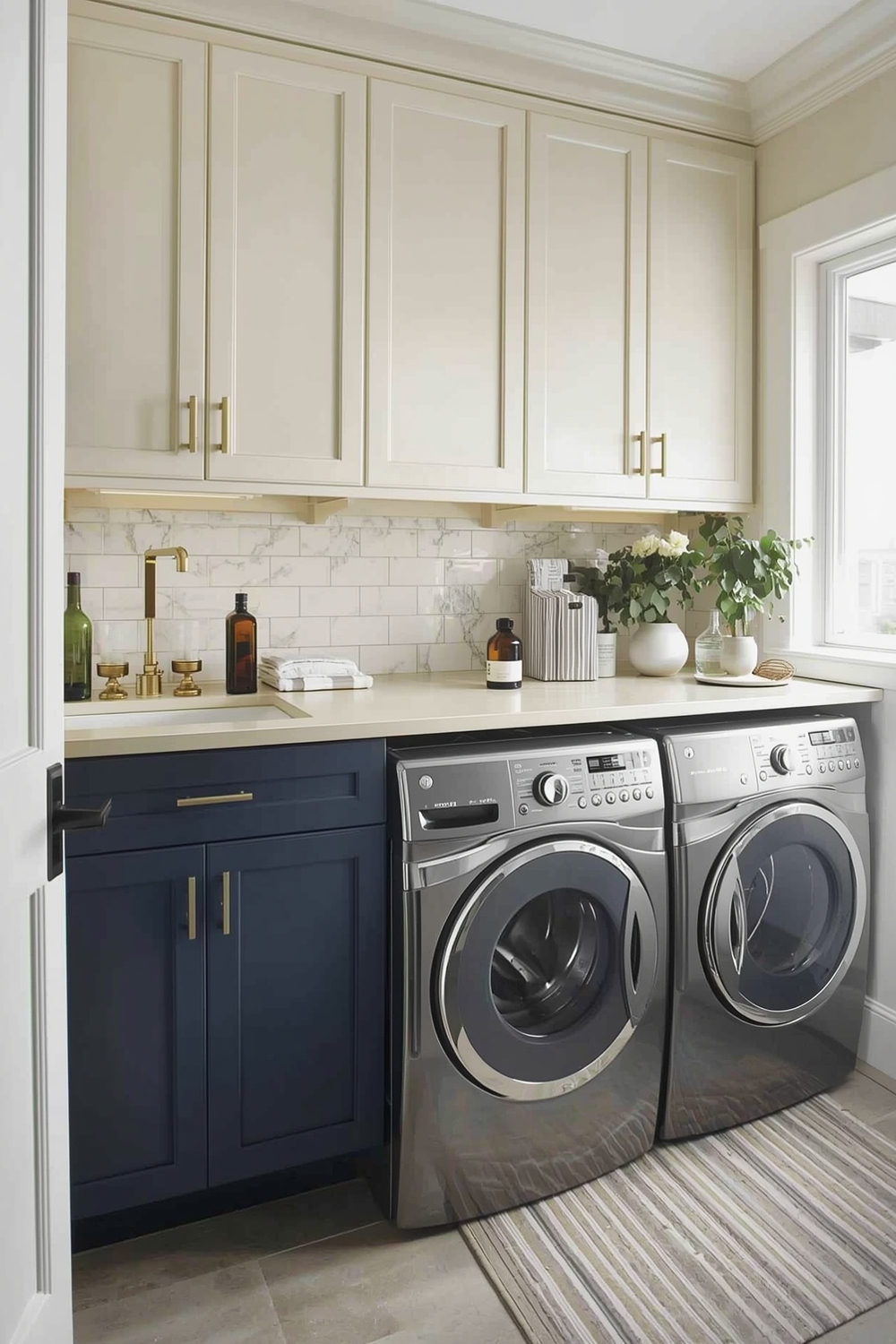
When selecting cabinets for your laundry room, consider the size and layout of the space. If you have a small laundry room, opt for tall cabinets to maximize vertical storage. Open shelving can also be a great option for displaying decorative items or keeping frequently used supplies within easy reach. Think carefully about the traffic flow in the room and make sure cabinet doors and drawers can open fully without hitting the washer, dryer, or opposite wall.
The single most important factor — and the one most commonly underestimated — is the vertical dimension. Laundry rooms are often compact, and floor space is at a premium. Tall cabinets that run from countertop height all the way to the ceiling make use of space that would otherwise be wasted, and they dramatically increase the storage capacity of a small room without expanding its footprint at all. If your ceiling height allows it, floor-to-ceiling cabinetry is one of the smartest investments you can make in a laundry room.
For rooms where the washer and dryer sit side by side against one wall, upper cabinets above the machines are a natural and highly efficient choice. They keep detergents and supplies directly above the point of use, which eliminates unnecessary trips across the room mid-laundry. However, it’s worth thinking carefully about depth here — upper cabinets that are too deep can be awkward to access safely if you need to reach over the machines. A depth of 12 to 15 inches is generally ideal for upper cabinets in this configuration, as opposed to the standard 12 inches used in kitchens.
If your laundry machines are stacked rather than side by side, the layout opportunities shift considerably. Stacked units free up wall space on either side, making it possible to install full-height floor-to-ceiling cabinets flanking the machines — a setup that not only maximizes storage but also creates a clean, built-in look that makes even a utilitarian laundry room feel genuinely designed rather than thrown together.
Counter height cabinets with a work surface on top deserve special attention. A countertop running alongside or above the washer and dryer gives you a dedicated folding and sorting surface — something most laundry rooms desperately lack. Without it, people end up folding laundry on their bed, the couch, or wherever else a flat surface is available. A dedicated folding counter keeps everything in one place and makes the entire laundry process faster and less disruptive to the rest of the home. Under-counter cabinets in this configuration work well for storing larger items like laundry baskets, extra cleaning supplies, or even a rolling hamper.
Cabinet Types That Work Well — and Ones to Steer Clear Of
Not all cabinet styles suit a laundry room equally. Stock cabinets from home improvement stores — the kind sold flat-packed and assembled at home — are an entirely reasonable option for laundry rooms, especially since these spaces rarely require the precise custom sizing that kitchens often demand. They’re affordable, widely available, and come in finishes that hold up well in moderately humid environments. Just be sure to select finishes labeled as moisture-resistant, and avoid anything with exposed raw wood edges, which are the first place moisture damage tends to appear.
Semi-custom and fully custom cabinets are worth considering if your laundry room has unusual dimensions, or if you want the space to look polished and integrated. Custom cabinets allow you to specify exactly the dimensions, interior layout, and finish you need — which can be particularly valuable in a small or oddly shaped room where standard sizes leave awkward gaps. The cost premium over stock cabinets is real, but for a room you use every single day, it’s often justified.
What you should avoid: unfinished wood cabinets unless you’re committed to sealing every surface thoroughly and resealing it regularly. Avoid cabinets with decorative trim or raised paneling in deeply recessed areas, as these collect lint, dust, and detergent residue that’s difficult to clean. And strongly avoid open wire shelving as a primary storage solution — while wire shelving has its place for air circulation, it’s a poor choice for storing liquid products (which can drip through), cleaning supplies (which can tip easily), or anything lightweight like dryer sheets, which simply fall through the gaps.
Glass-front cabinet doors can be a beautiful touch in a laundry room, adding visual lightness and a sense of openness. But they only work if you’re disciplined about keeping the interior organized — a glass door that reveals a jumbled mess of cleaning products does the opposite of what you intend. If you love the look but not the commitment, consider frosted or reeded glass rather than clear, which gives the aesthetic benefit while obscuring the interior details.
The Finishing Touches That Make Laundry Room Cabinets Truly Work
Cabinet selection is only part of the equation. How your cabinets are installed and outfitted on the inside has just as much impact on how well the room functions day to day. Pull-out shelves and drawer organizers make it significantly easier to access items at the back of deep cabinets — something that matters a lot in a laundry room, where you’re frequently reaching for things with one hand while managing a laundry basket with the other.
Labeling cabinet contents might sound overly organized, but in a household where multiple people do laundry, it eliminates the guesswork and keeps things from migrating to the wrong place. Clear bins inside cabinets for pods, dryer sheets, and small supplies make restocking easy and help you see at a glance when something is running low.
Lighting inside or under cabinets is another detail that significantly improves functionality. Laundry rooms are often in interior spaces without natural light, and a poorly lit cabinet makes it hard to find what you need quickly. Simple LED strip lights under upper cabinets illuminate the countertop work surface and reduce the fumbling around that makes laundry feel more tedious than it already is.
Finally, don’t overlook the visual cohesion of your cabinet choice with the rest of the room’s finishes. The laundry room doesn’t need to be a design showpiece, but it spends enough time in your daily life to deserve some aesthetic consideration. Cabinets that coordinate with the wall color, the flooring, and the appliance finish create a space that feels intentional rather than improvised — and that sense of order and calm is genuinely more pleasant to spend time in, even if the task at hand is just sorting socks.
Final Thoughts: Invest in the Right Cabinets From the Start
The laundry room is a space where function has to come first — but that doesn’t mean it has to sacrifice style or thoughtful design. Choosing cabinets that are built for moisture resistance, sized correctly for your space, and organized around how you actually use the room will pay dividends every single week for as long as you live in your home. Take the time to plan it properly, choose materials that will hold up in the environment, and think through the interior storage configuration before you commit. The result will be a laundry room that actually makes the chore of laundry a little less of a chore — and that’s a reward worth the effort of getting it right.