Introduction
Choosing the perfect Interior Paint Palette can transform your living space from ordinary to extraordinary. The right color combination sets the mood, reflects your personality, and creates a cohesive design throughout your home. Whether you’re renovating a single room or planning a whole-house makeover, understanding timeless interior wall color ideas will help you make confident decisions. This comprehensive guide presents 15 inspiring paint palette concepts that stand the test of time, ensuring your home remains stylish for years to come.
Interior Paint Palette Inspiration Boards
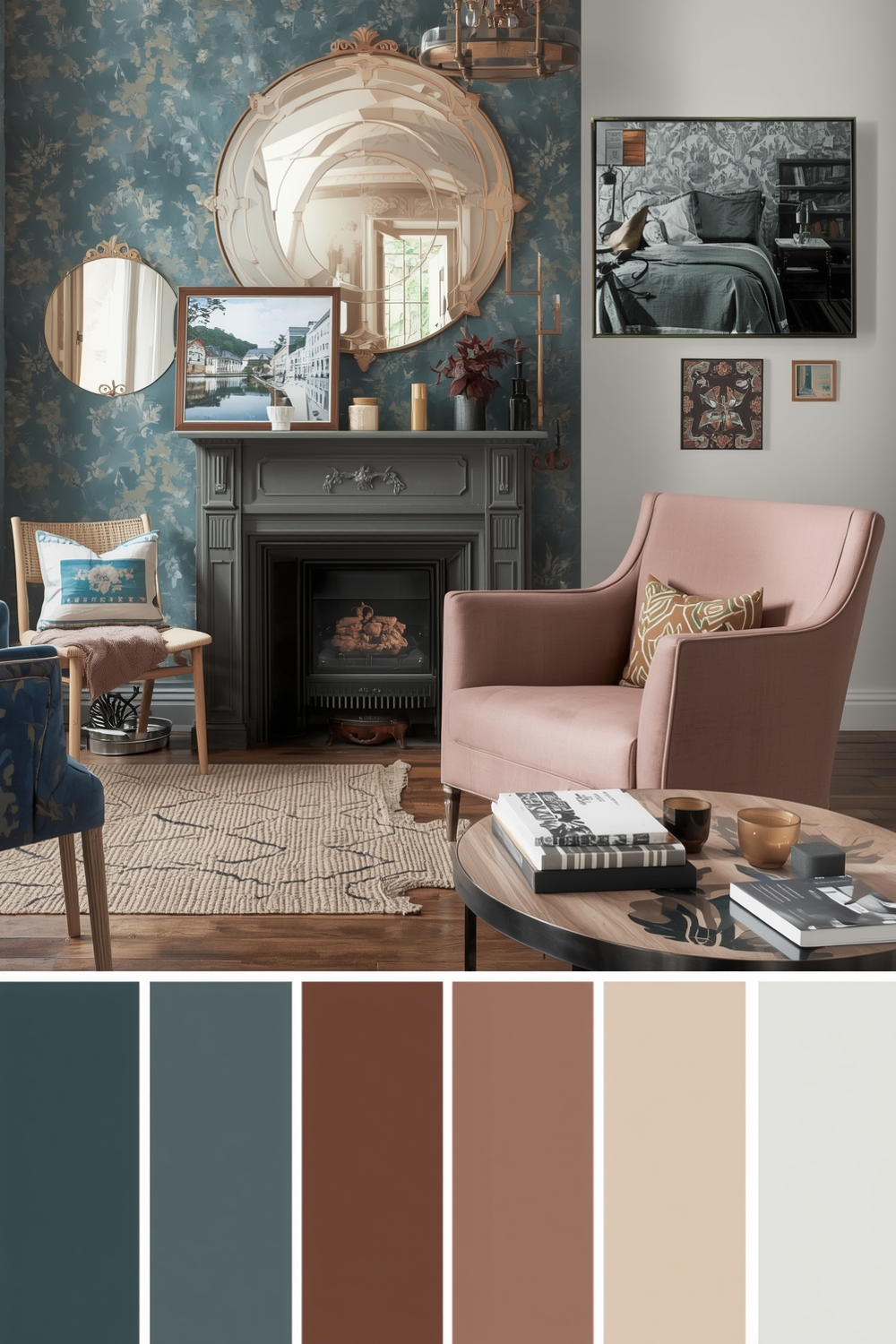
Creating an inspiration board is the perfect starting point for your painting project. Gather images, fabric swatches, and paint chips that resonate with your aesthetic vision. An effective Interior Paint Palette inspiration board helps you visualize how different colors work together before committing to a final decision. Include photographs of rooms you admire, nature scenes that inspire you, and existing furniture pieces you plan to keep. Digital platforms like Pinterest offer endless possibilities for collecting ideas, while physical mood boards allow you to see actual color samples in your home’s lighting. This preliminary step prevents costly mistakes and ensures your chosen palette aligns with your overall design goals.
Soft and Neutral Room Color Palettes
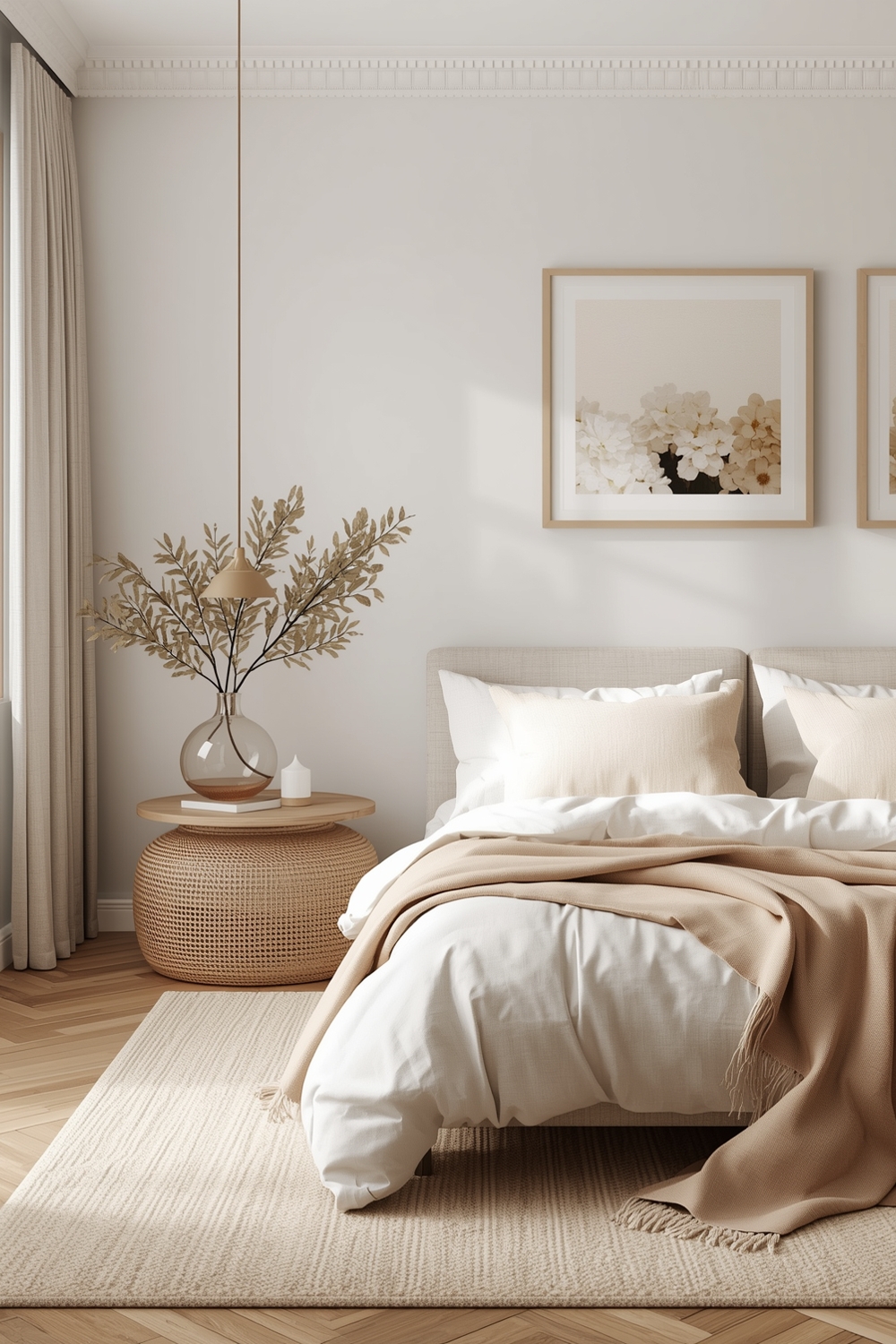
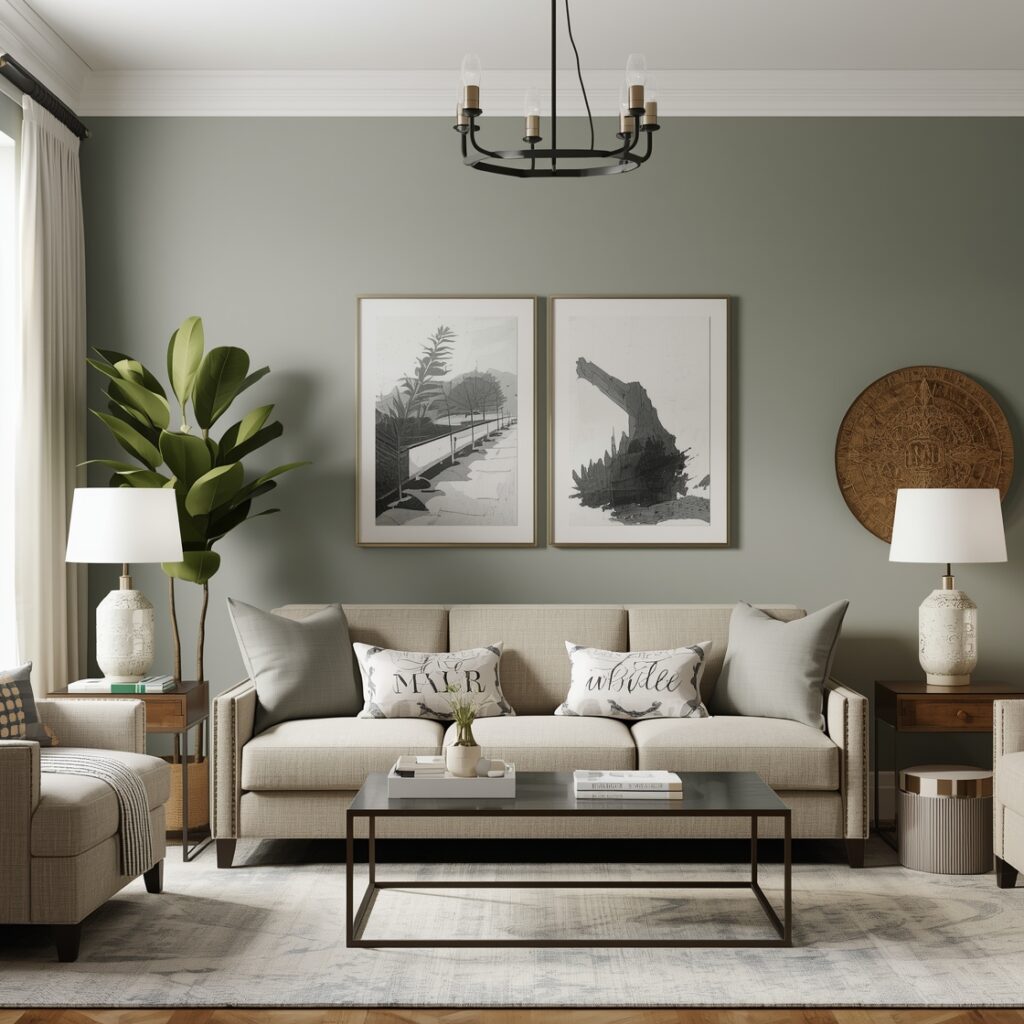
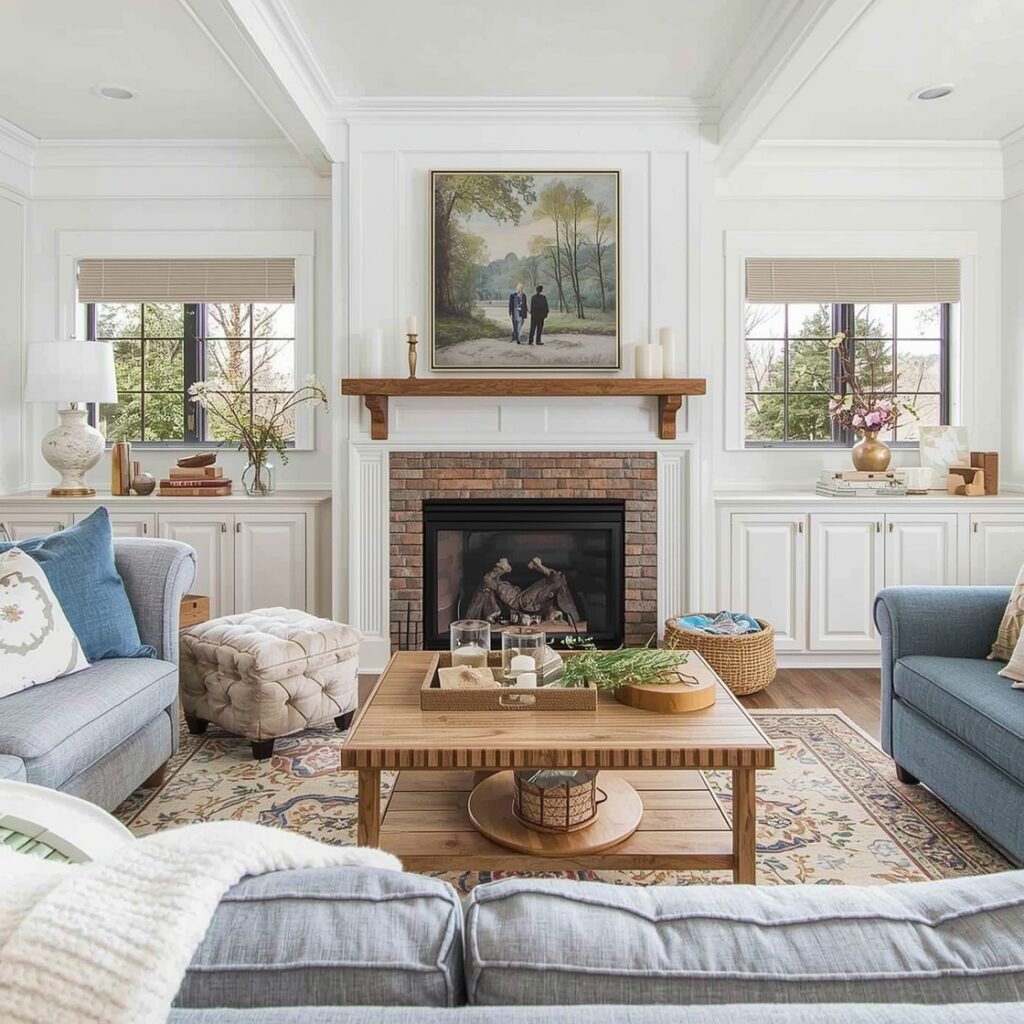
Neutral doesn’t mean boring when it comes to creating inviting interiors. Soft neutrals like warm beiges, gentle taupes, and creamy ivories establish calming environments perfect for relaxation. These understated colors serve as excellent backdrops for artwork, textiles, and furniture, allowing your personal style to shine. Layering different neutral tones adds depth and visual interest without overwhelming the senses. Consider varying the undertones—some neutrals lean warm with yellow or red bases, while others appear cool with blue or green undertones. This subtle variation creates dimension while maintaining a cohesive, sophisticated atmosphere throughout your space.
Modern Interior Paint Blends
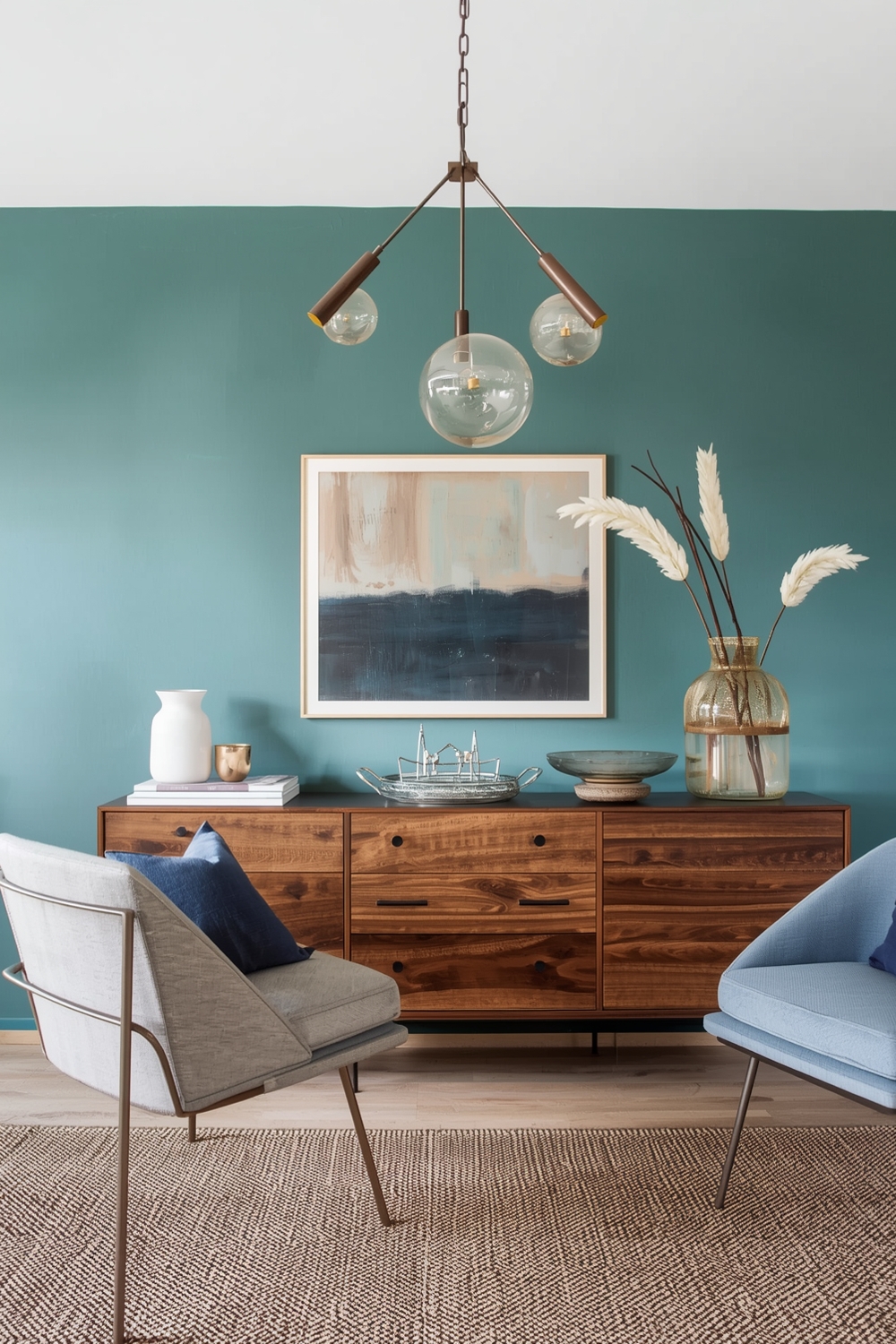
Contemporary design embraces bold contrasts and unexpected color pairings that make dramatic statements. Modern paint blends often feature crisp whites combined with deep charcoals, navy blues, or rich blacks for striking visual impact. These high-contrast schemes work particularly well in minimalist spaces where clean lines and simple furnishings take center stage. Incorporating metallic accents like brushed gold or copper hardware complements modern color palettes beautifully. Don’t shy away from saturated jewel tones like emerald green or sapphire blue on feature walls—these confident choices add personality while maintaining sophistication in contemporary interiors.
Minimalist Room Paint Inspirations
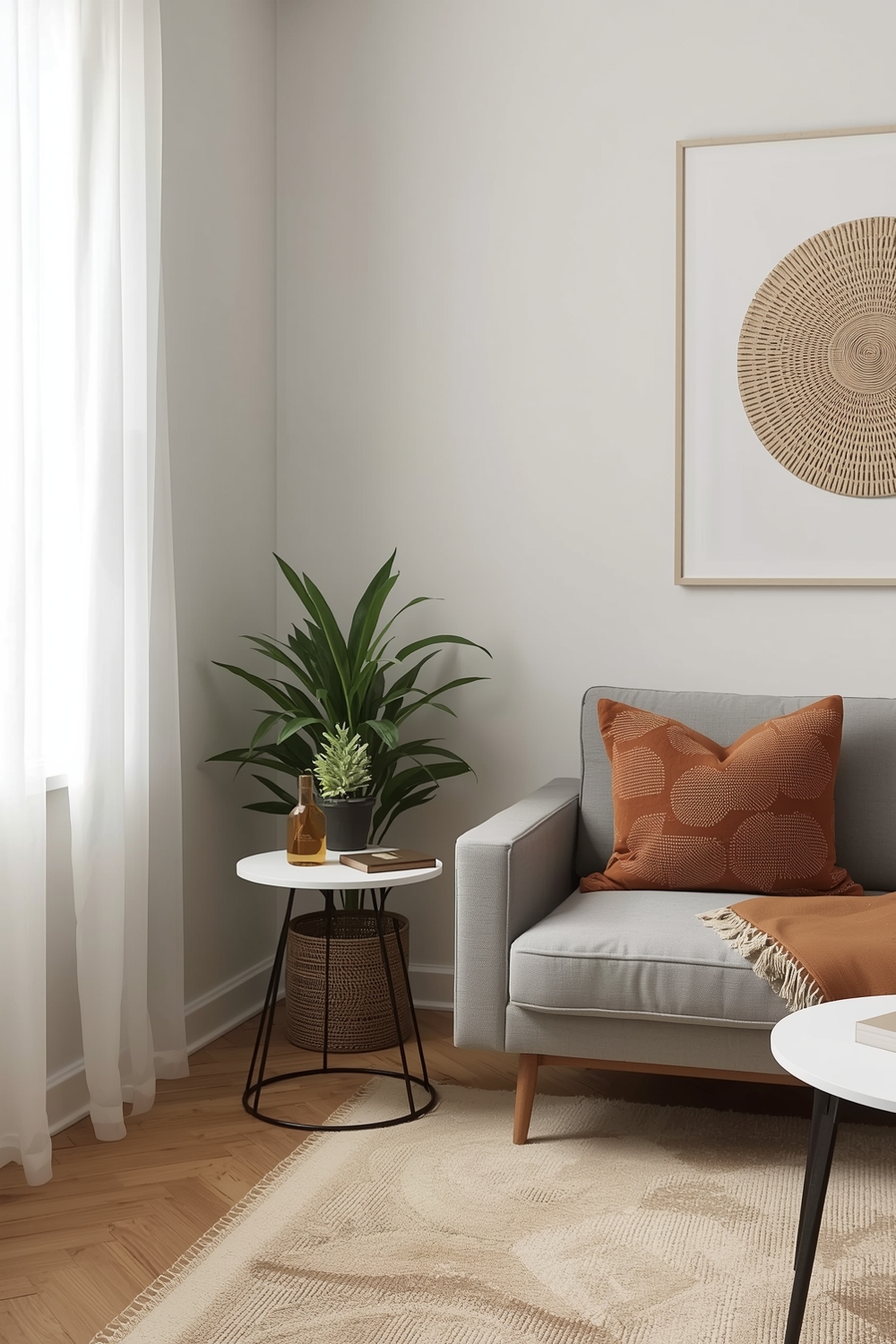
Minimalist design philosophy celebrates simplicity, and paint choices should reflect this intentional restraint. A successful minimalist Interior Paint Palette typically includes just two or three harmonious colors throughout the entire space. Pure whites, soft grays, and occasional black accents create the serene, uncluttered atmosphere minimalism demands. The beauty of minimalist painting lies in the quality of the finish and the precision of application rather than color complexity. Consider monochromatic schemes where slight variations of a single color create subtle interest without disrupting visual flow. This approach emphasizes architectural features and allows natural light to become a design element itself.
Elegant Interior Color Themes
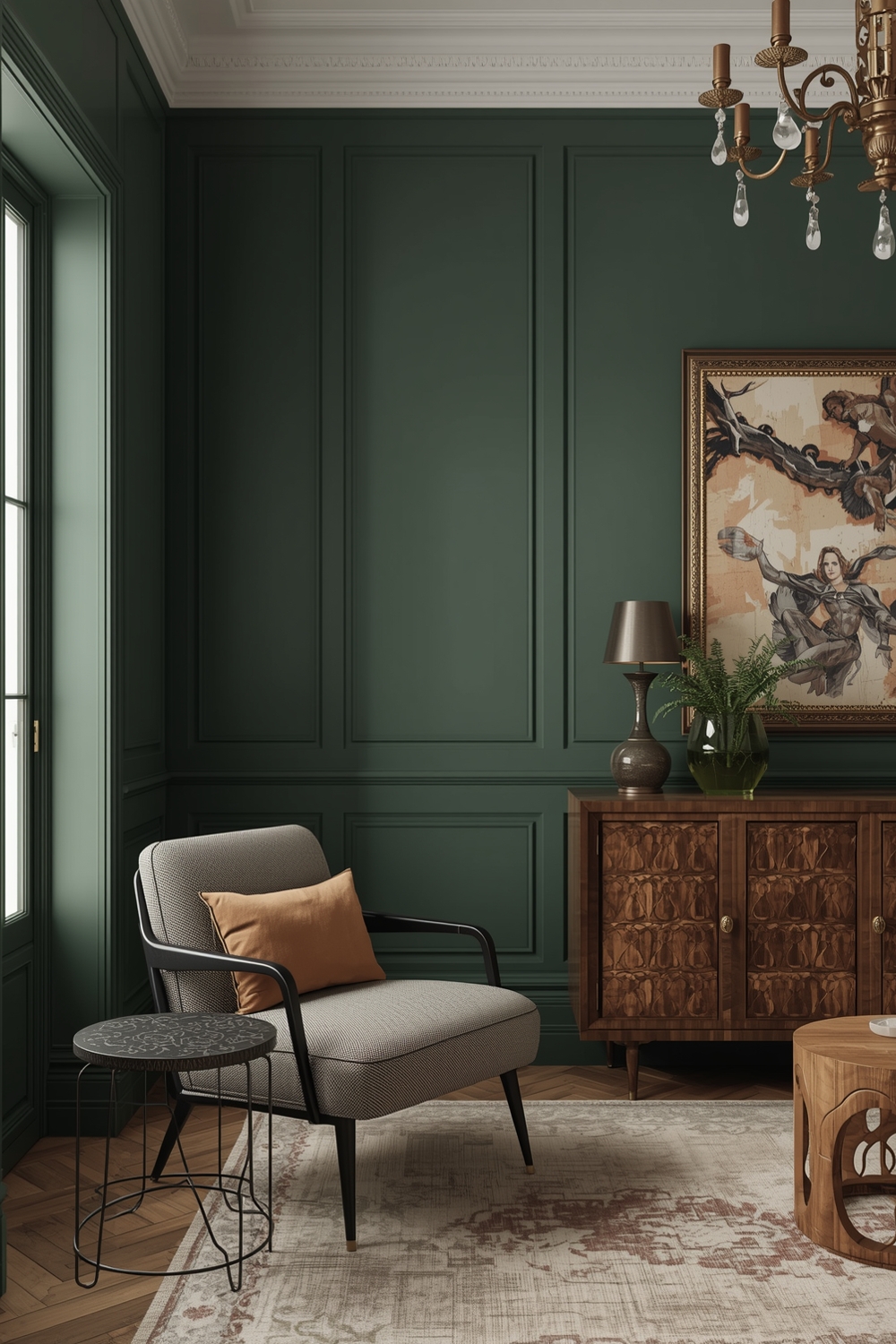
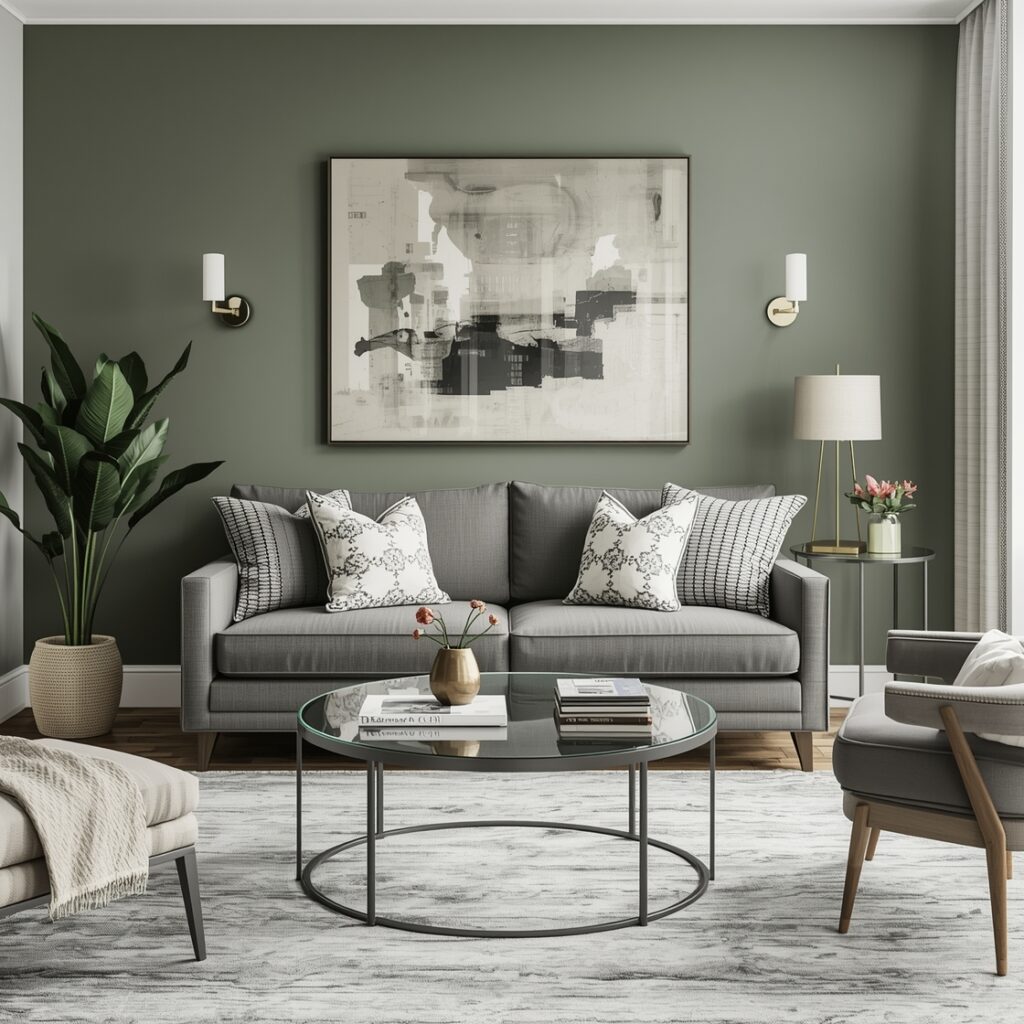
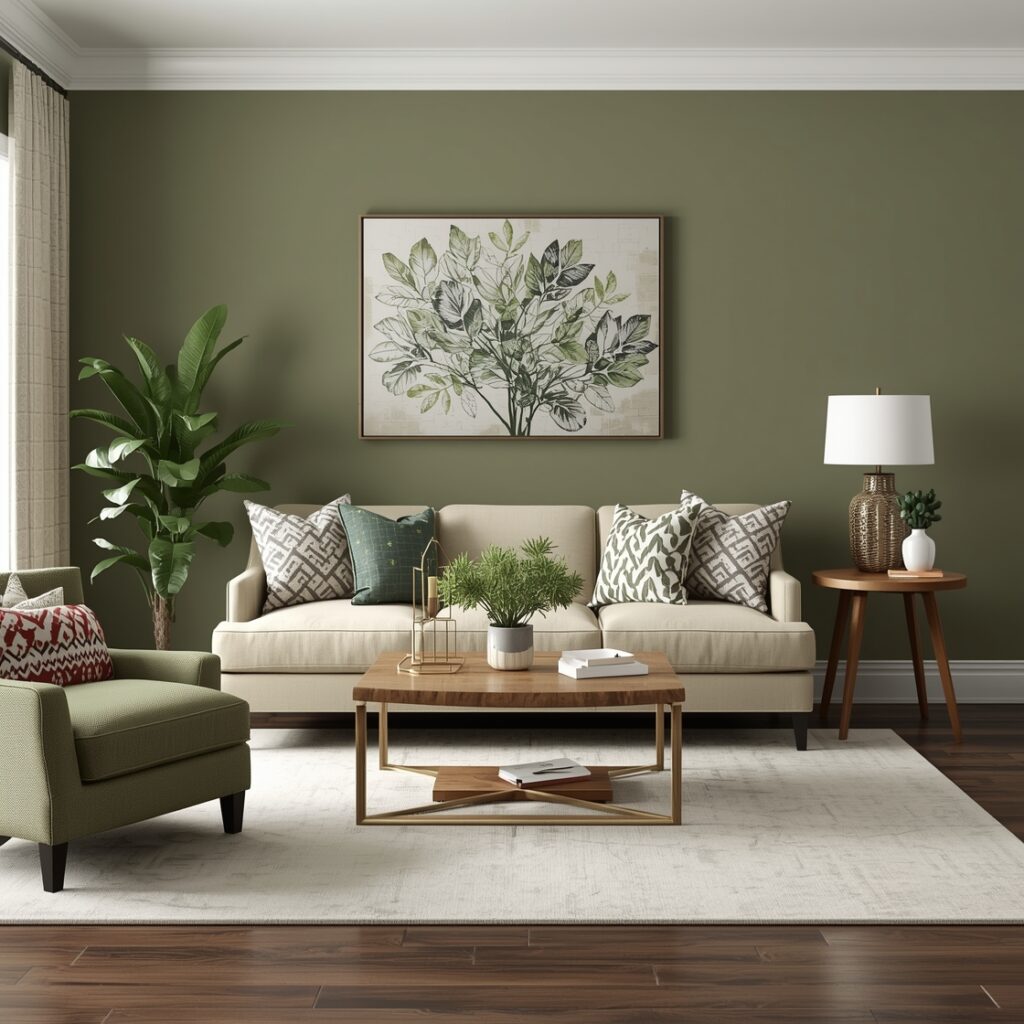
Elegance transcends trends, relying on sophisticated color combinations that exude refinement. Classic elegant palettes feature soft blues paired with warm creams, dusty roses with dove grays, or sage greens with off-whites. These graceful combinations create formal yet welcoming environments suitable for entertaining and everyday living. The secret to achieving elegance lies in choosing colors with muted saturation rather than bright, intense hues. Incorporate crown molding, wainscoting, or picture rails in contrasting yet complementary shades to add architectural interest. These timeless schemes work beautifully in traditional homes while adding sophistication to more contemporary settings.
Functional Room Paint Palette Guides
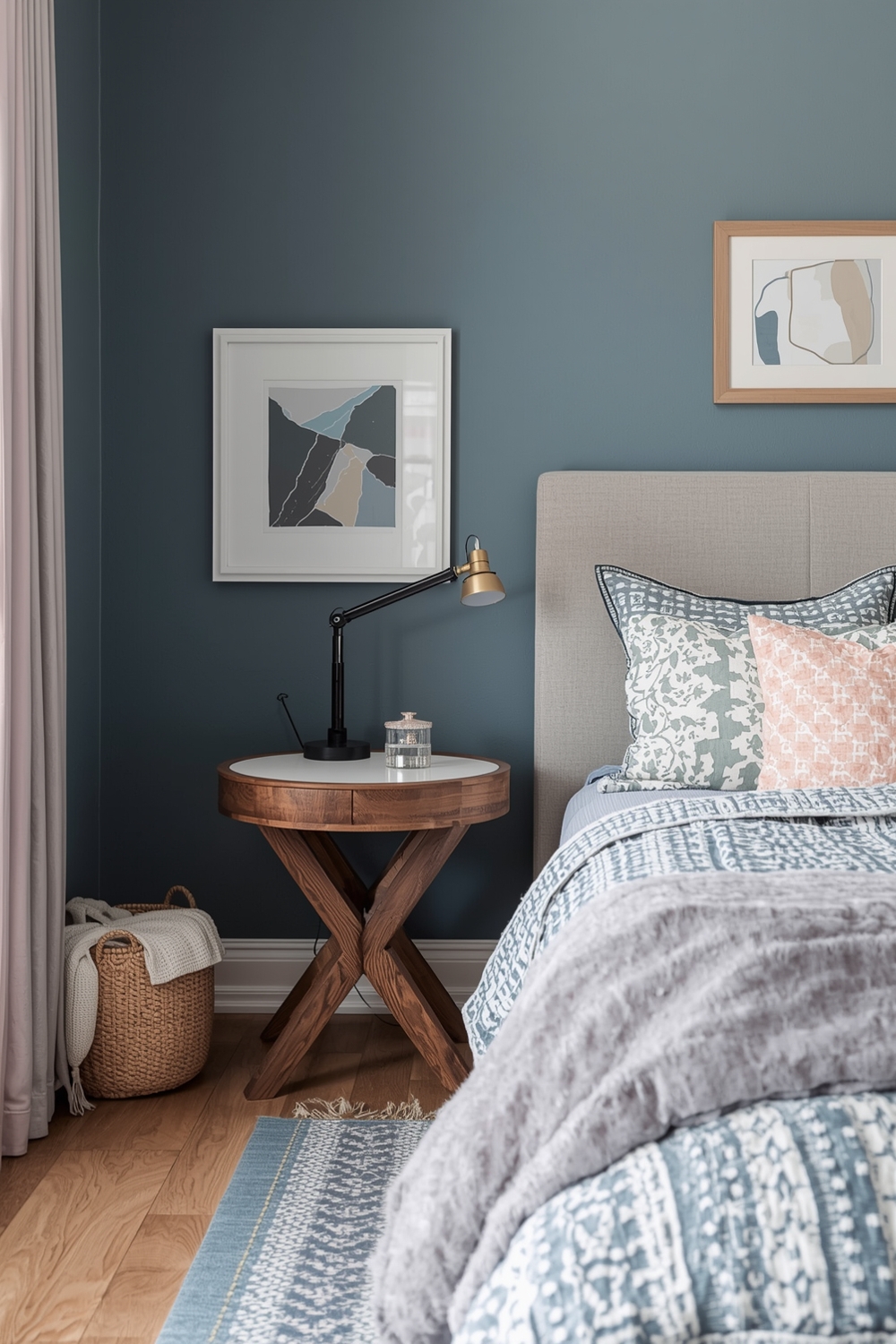
Different rooms serve different purposes, and your paint choices should support their intended functions. Kitchens benefit from energizing yet clean colors like soft yellows or warm whites that promote activity and conversation. Bedrooms require calming shades such as gentle blues, lavenders, or greens that encourage restful sleep. Home offices thrive with focused neutrals or muted earth tones that minimize distraction while maintaining visual comfort during long work sessions. Consider how natural and artificial lighting affects each room’s ambiance throughout the day when selecting functional color schemes. The right palette enhances productivity, relaxation, or socialization depending on each space’s primary purpose.
Bright and Snug Room Paint Concepts
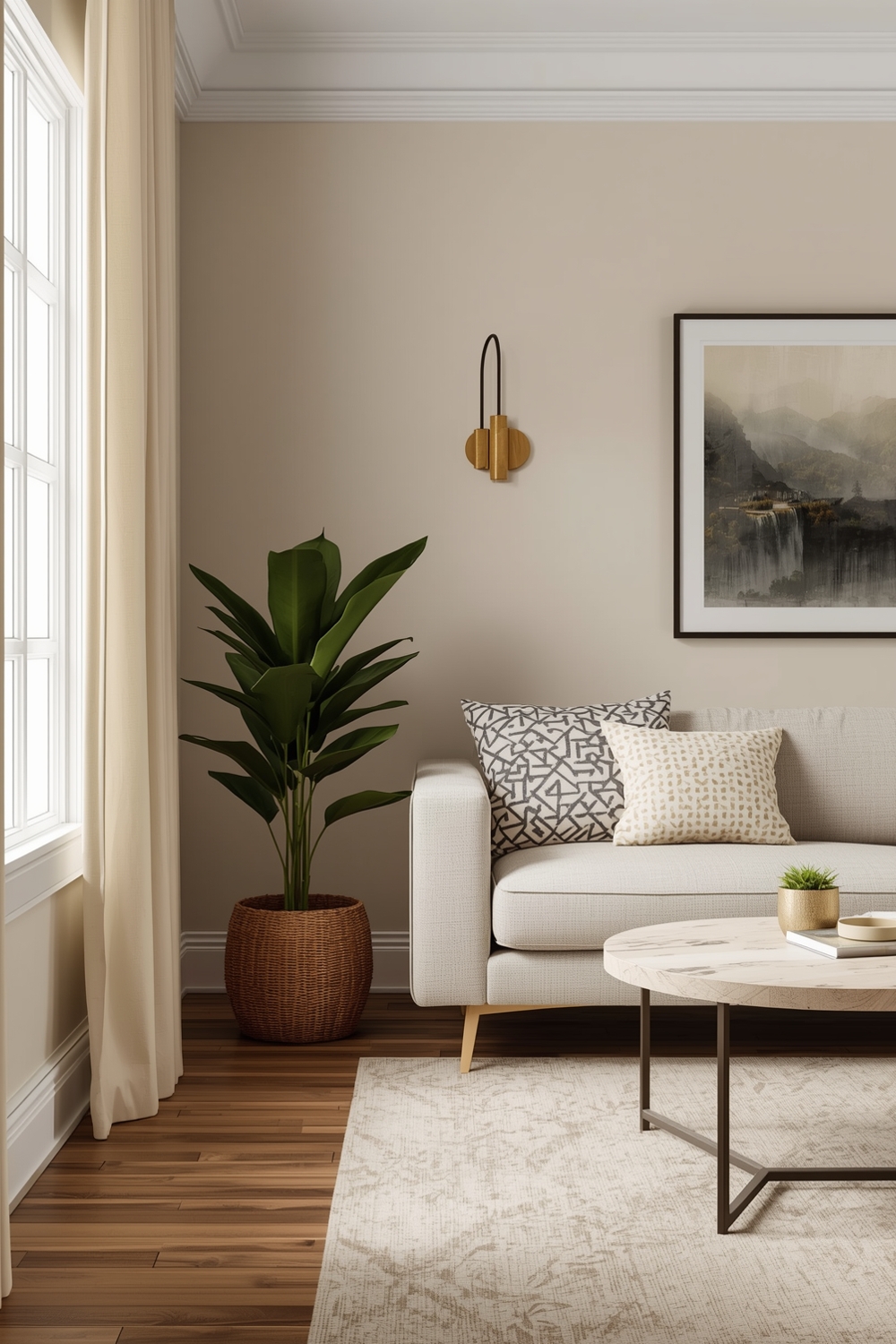
Creating spaces that feel both bright and cozy requires thoughtful color selection and strategic application. Warm neutrals like honeyed beiges, peachy creams, and buttery yellows maximize natural light while maintaining a welcoming atmosphere. These colors reflect sunlight beautifully, making even modest-sized rooms feel more spacious and airy. For north-facing rooms that receive limited natural light, warmer tones compensate for cooler ambient lighting. Consider painting ceilings in lighter shades than walls to enhance the sense of height and openness. Adding depth with slightly darker trim creates definition without sacrificing the bright, comfortable feeling these palettes provide.
Open Concept Room Paint Color Ideas
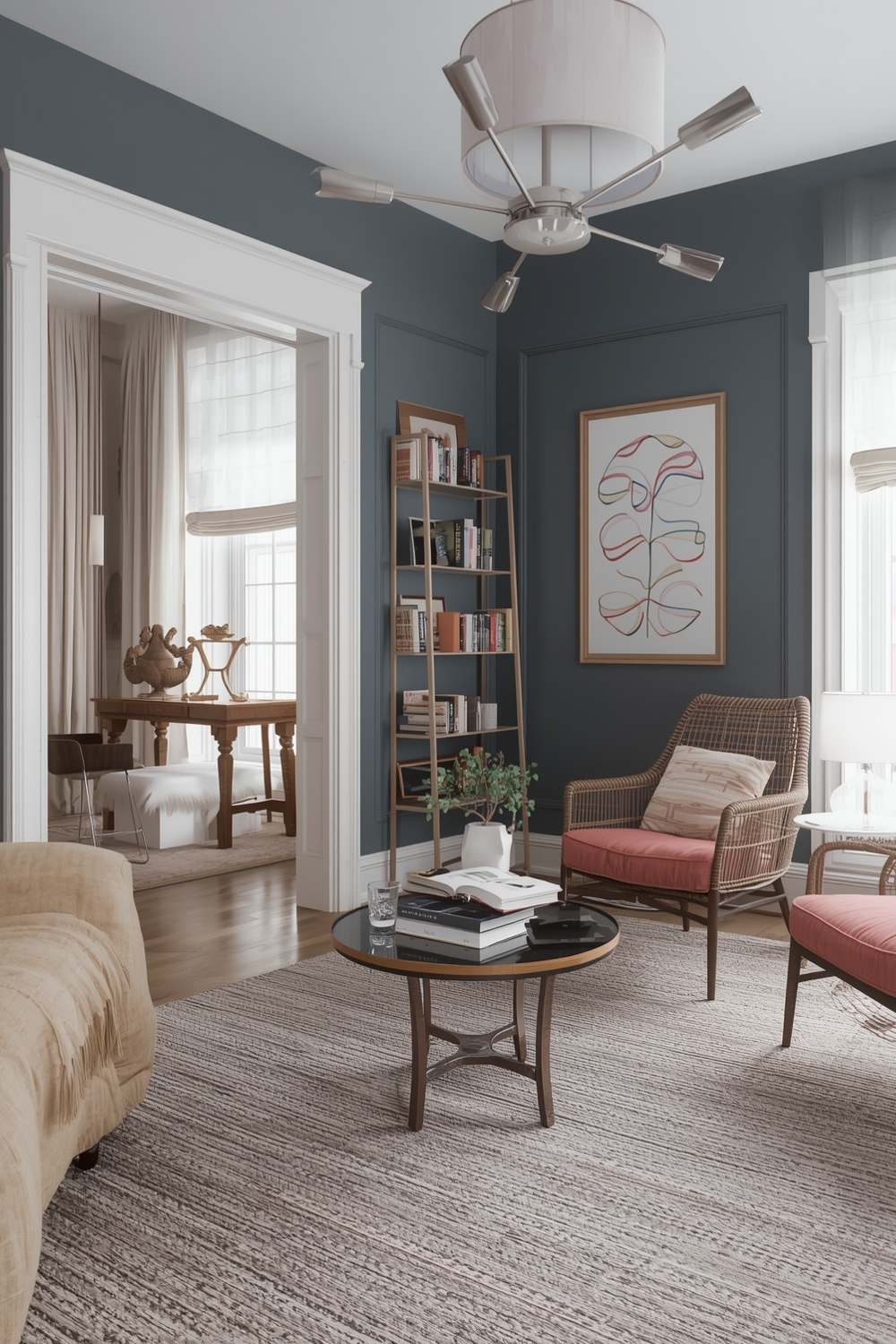
Open floor plans require cohesive color strategies that define separate functional areas without physical barriers. Use a consistent base color throughout the space, then introduce accent walls or complementary shades to distinguish living, dining, and kitchen zones. This approach maintains visual flow while providing subtle boundaries between different activities. Transition colors carefully where spaces meet, ensuring adjoining walls share compatible undertones for seamless integration. Consider how colors appear from various vantage points throughout the open space to avoid jarring transitions or unintended contrasts that disrupt the harmonious flow essential to successful open-concept designs.
Room Paint Ideas with Earthy Warm Tones
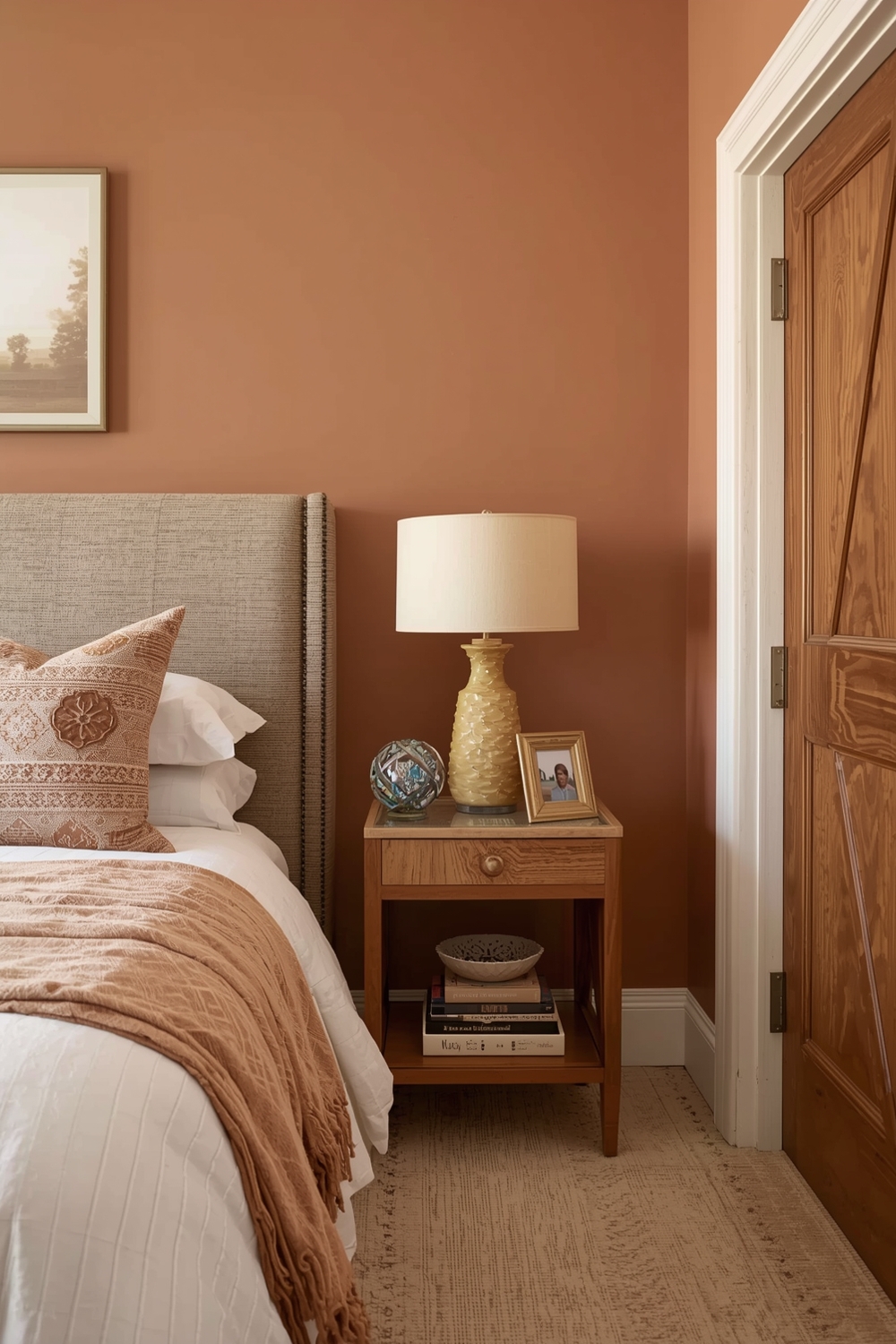
Earthy palettes bring the tranquility and grounding qualities of nature indoors through warm, organic colors. Rich terracottas, warm taupes, ochre yellows, and clay reds create inviting environments that feel both timeless and contemporary. These nature-inspired hues pair beautifully with natural materials like wood, stone, and woven textiles, reinforcing the connection to the outdoors. Earthy tones work particularly well in living rooms, dining areas, and bedrooms where comfort and relaxation are priorities. Layer different earth tones throughout a space to add depth and visual interest while maintaining a cohesive, grounded aesthetic that never feels overwhelming.
Contemporary Room Color Inspiration Boards
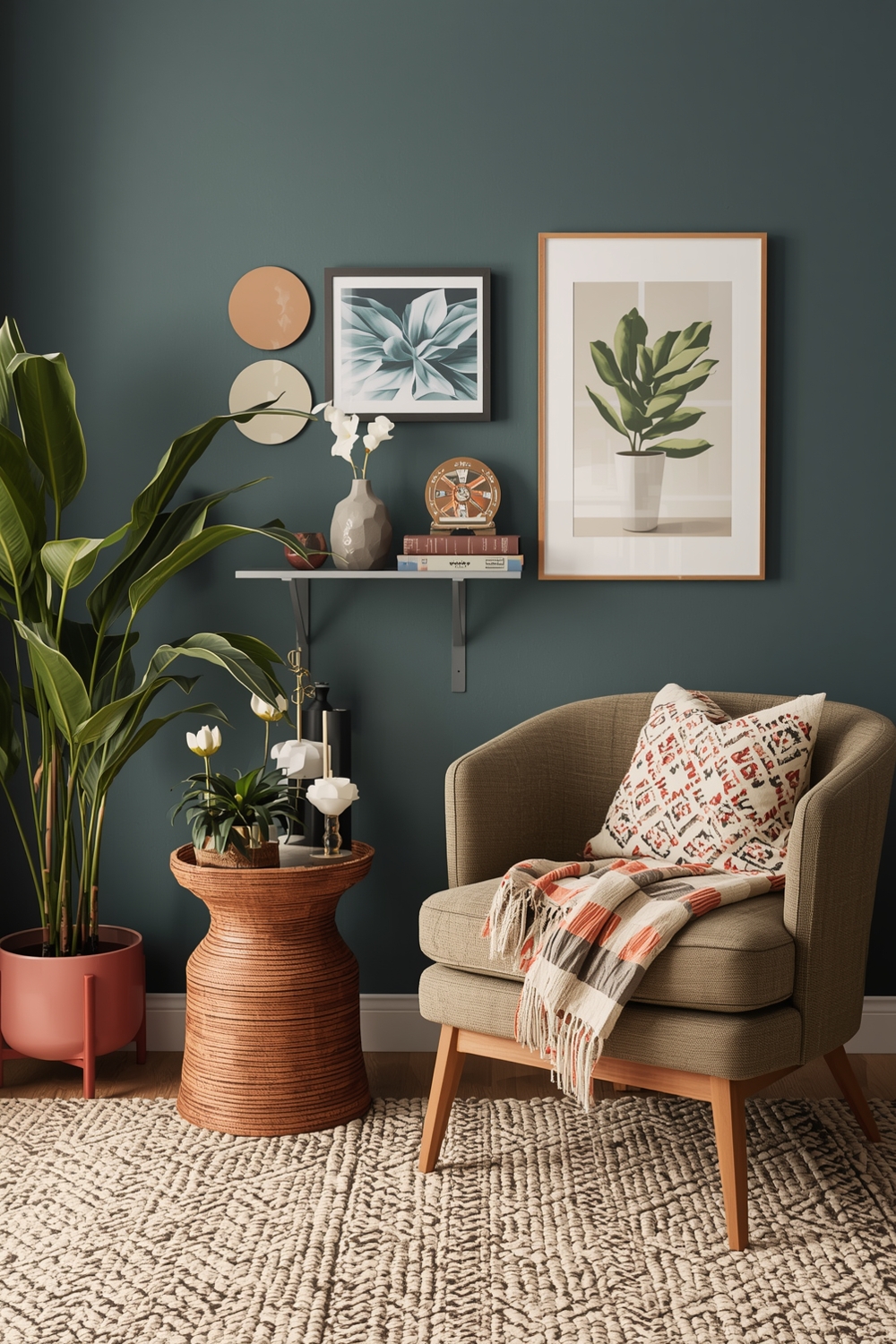
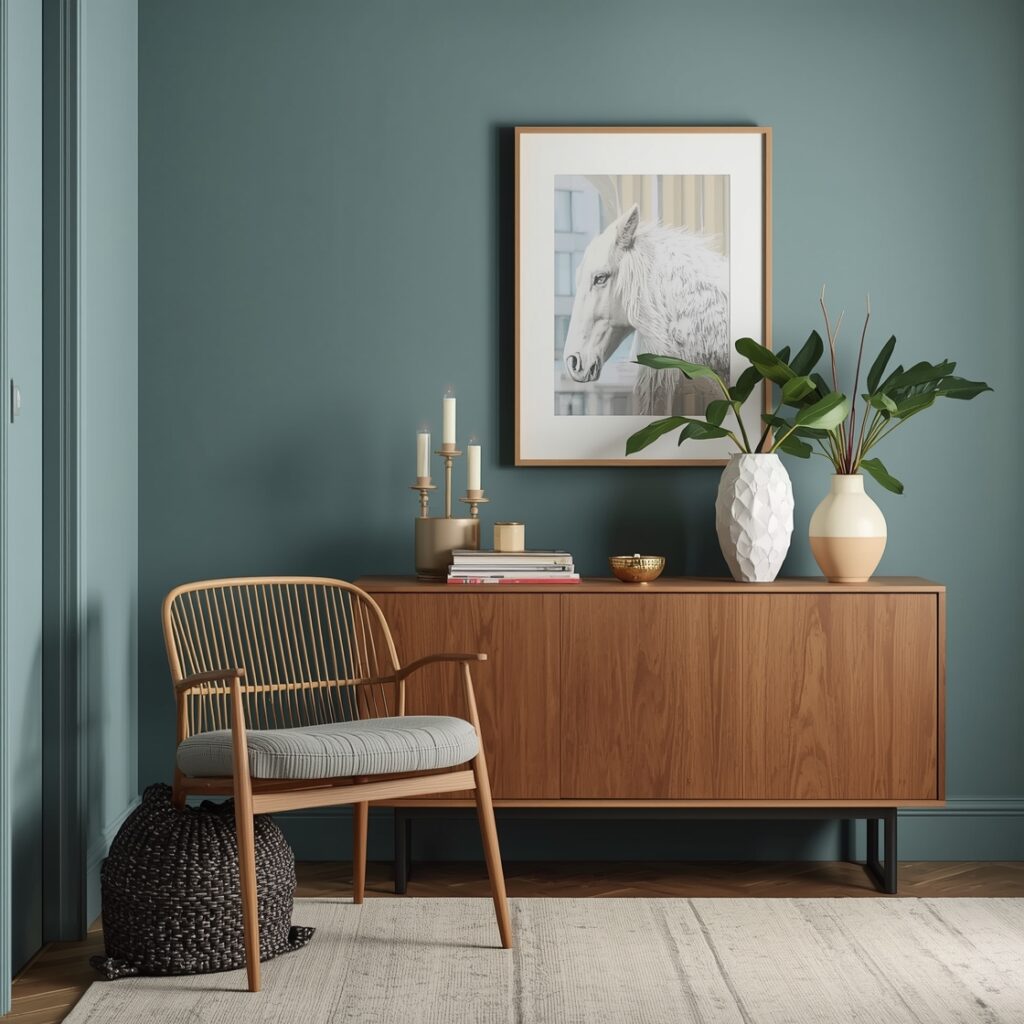
Contemporary design embraces current aesthetics while remaining distinct from fleeting trends, requiring carefully curated color selections. Today’s contemporary palettes often feature sophisticated neutrals as foundations—greiges, warm grays, and soft whites—accented with one or two statement colors. Popular accent choices include muted sage, dusty blue, or warm terracotta that add personality without overwhelming the space. Contemporary schemes also embrace texture through matte, eggshell, and satin finishes that create visual interest beyond color alone. Interior wall color ideas in contemporary styles balance current preferences with enduring appeal, ensuring your investment remains stylish.
Accent Wall Paint Color Concepts
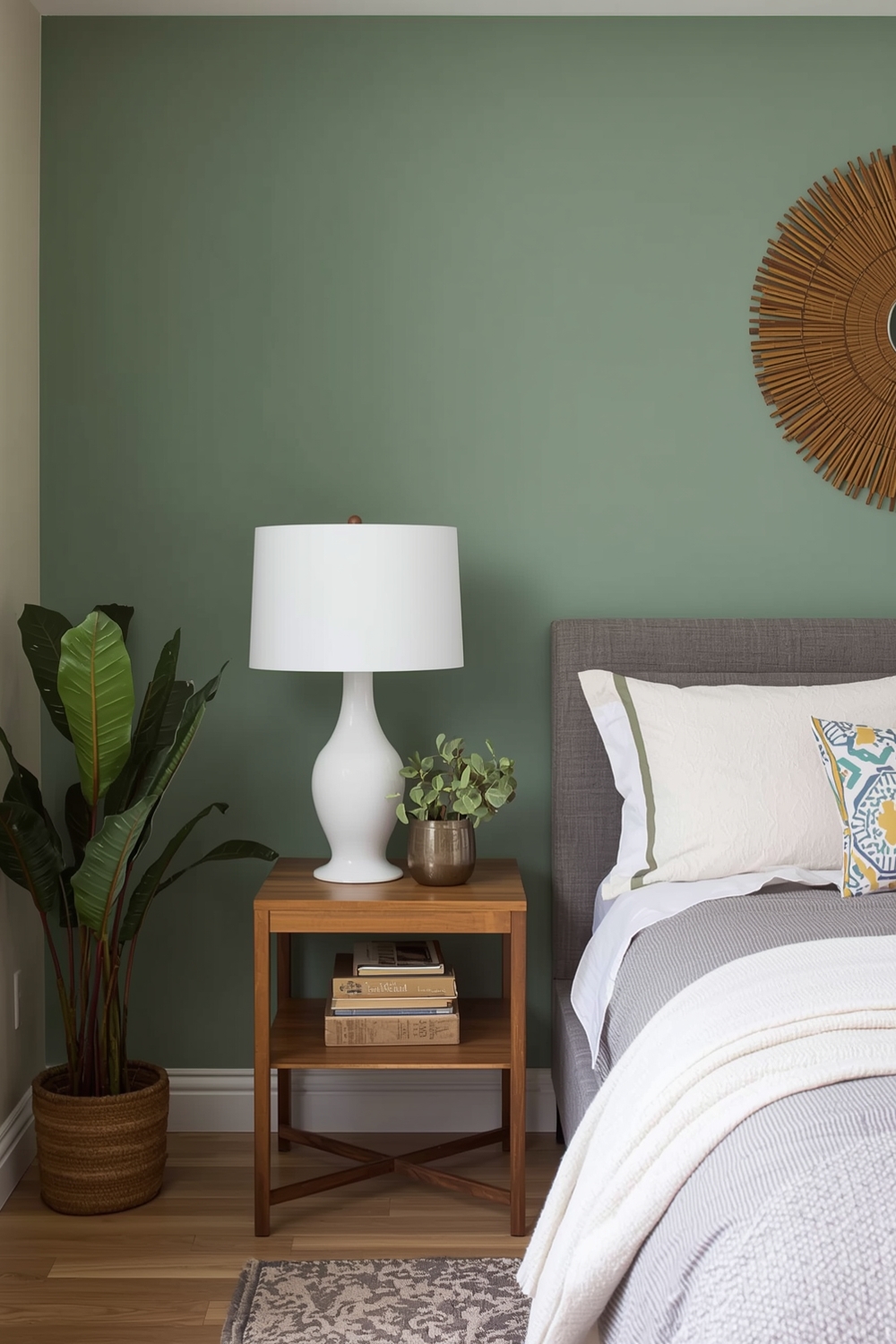
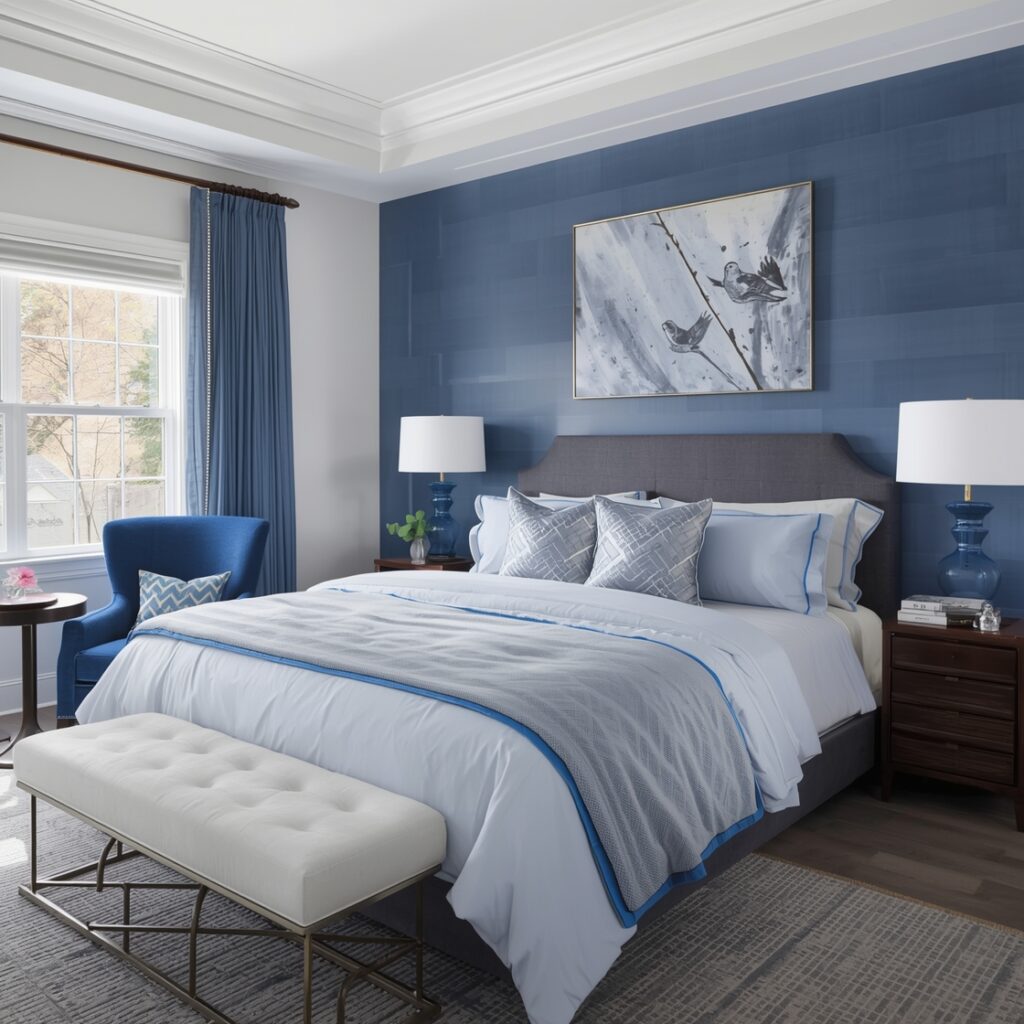
Accent walls provide opportunities to introduce bold colors or dramatic effects without overwhelming entire rooms. Choose the wall that naturally draws attention—typically the one behind a bed, sofa, or fireplace—as your focal point. Deep, saturated colors like navy, forest green, or charcoal create dramatic impact while remaining sophisticated. Alternatively, consider warm jewel tones like burgundy or emerald for luxurious statements. The remaining walls should feature complementary neutral shades that allow your accent wall to shine without competing for attention. This strategic approach offers flexibility to experiment with trendier colors in manageable doses that can be easily changed when preferences evolve.
Stylish Interior Room Paint Layouts
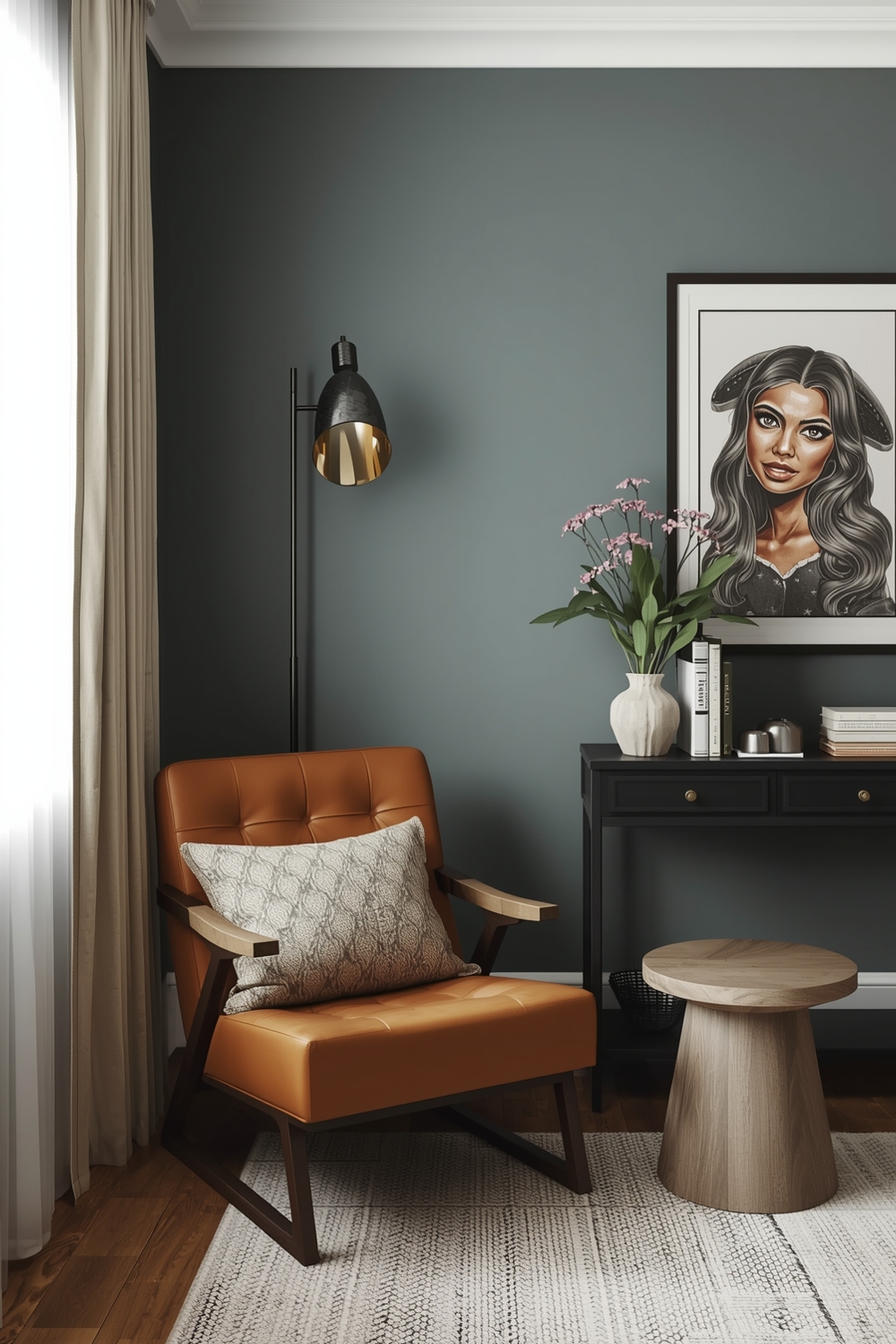
Strategic paint layouts involve more than just wall color—they encompass ceilings, trim, doors, and architectural details. A classic approach uses crisp white trim against colored walls to highlight architectural features and create definition. Alternatively, painting trim and walls in different shades of the same color family creates sophisticated, monochromatic sophistication. Consider extending wall colors onto ceilings in smaller rooms to eliminate visual boundaries and create cocoon-like intimacy. Color blocking techniques, where geometric sections receive different hues, add modern artistic flair to contemporary interiors. These thoughtful layout strategies maximize your palette’s impact through intentional application.
Cozy and Refined Paint Combinations
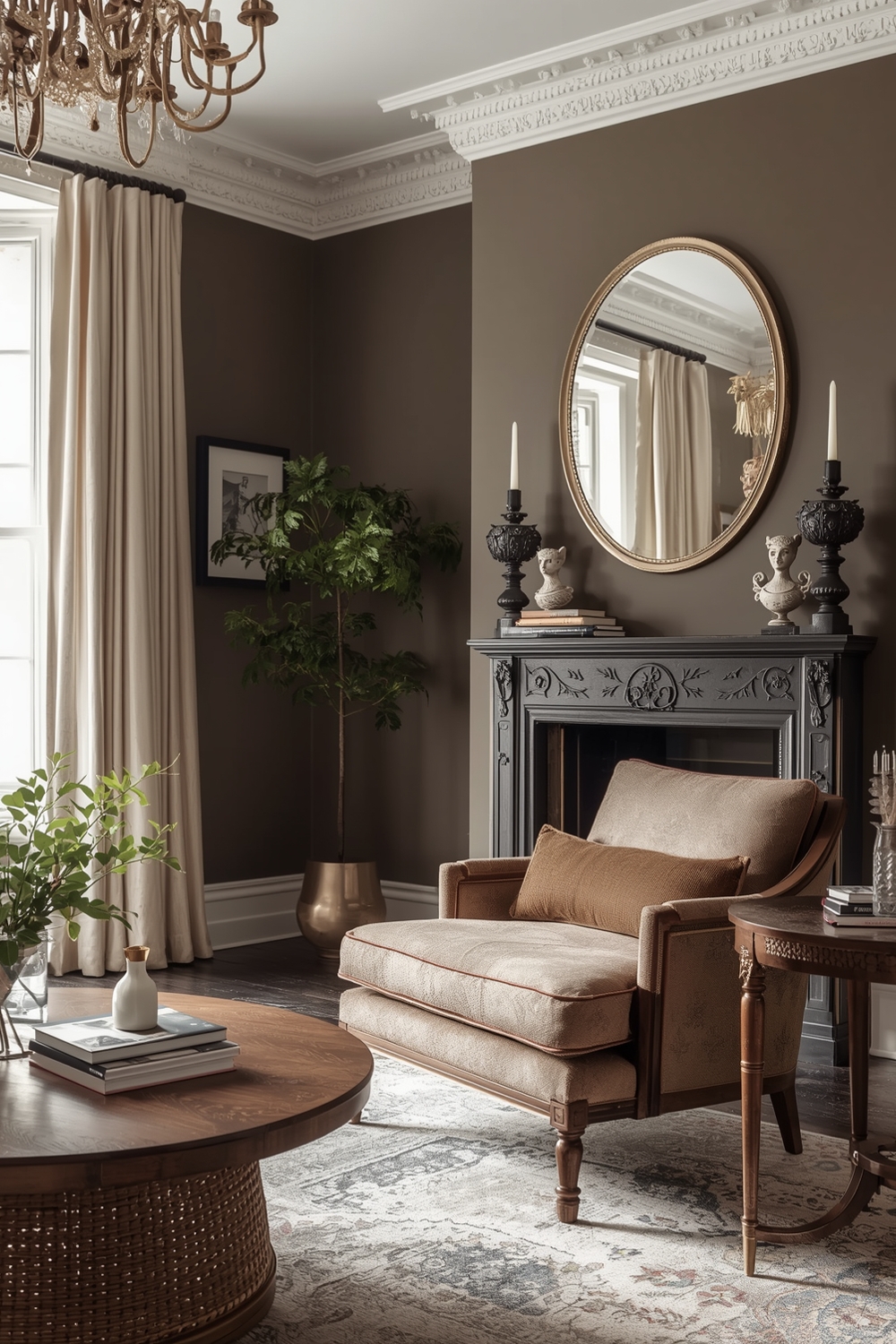
Achieving both coziness and refinement requires balancing warm, inviting colors with sophisticated restraint. Soft, muted tones like dusty rose paired with warm gray or sage green combined with creamy white strike this delicate balance beautifully. These gentle combinations create intimate atmospheres without sacrificing elegance or appearing overly casual. Layer textures through furniture and accessories to enhance the cozy feeling while maintaining visual sophistication. Consider how colors interact with your lighting—both natural and artificial—to ensure they maintain their refined character throughout the day. This approach creates spaces that welcome family and guests equally.
Bedroom Paint Color Idea Galleries
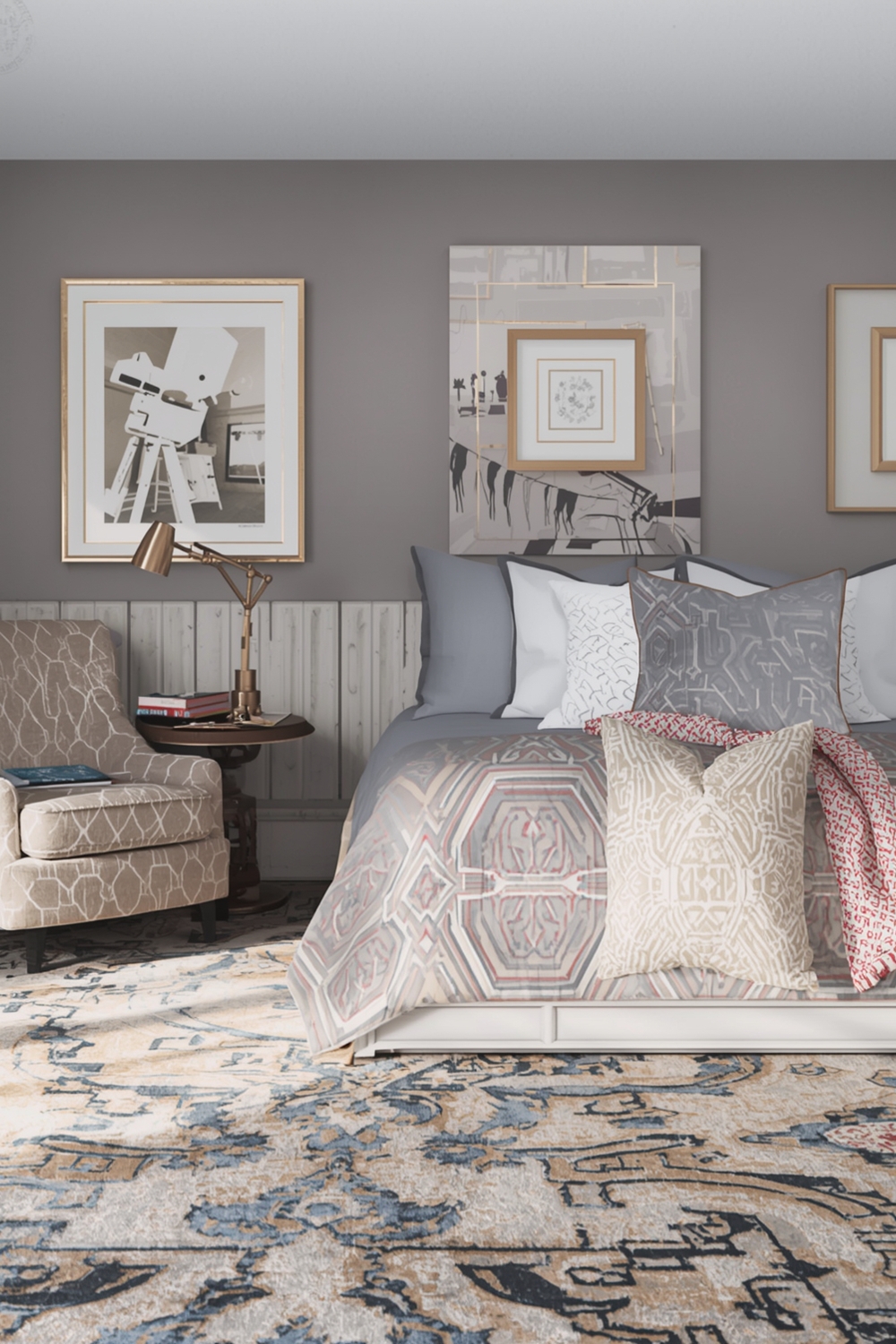
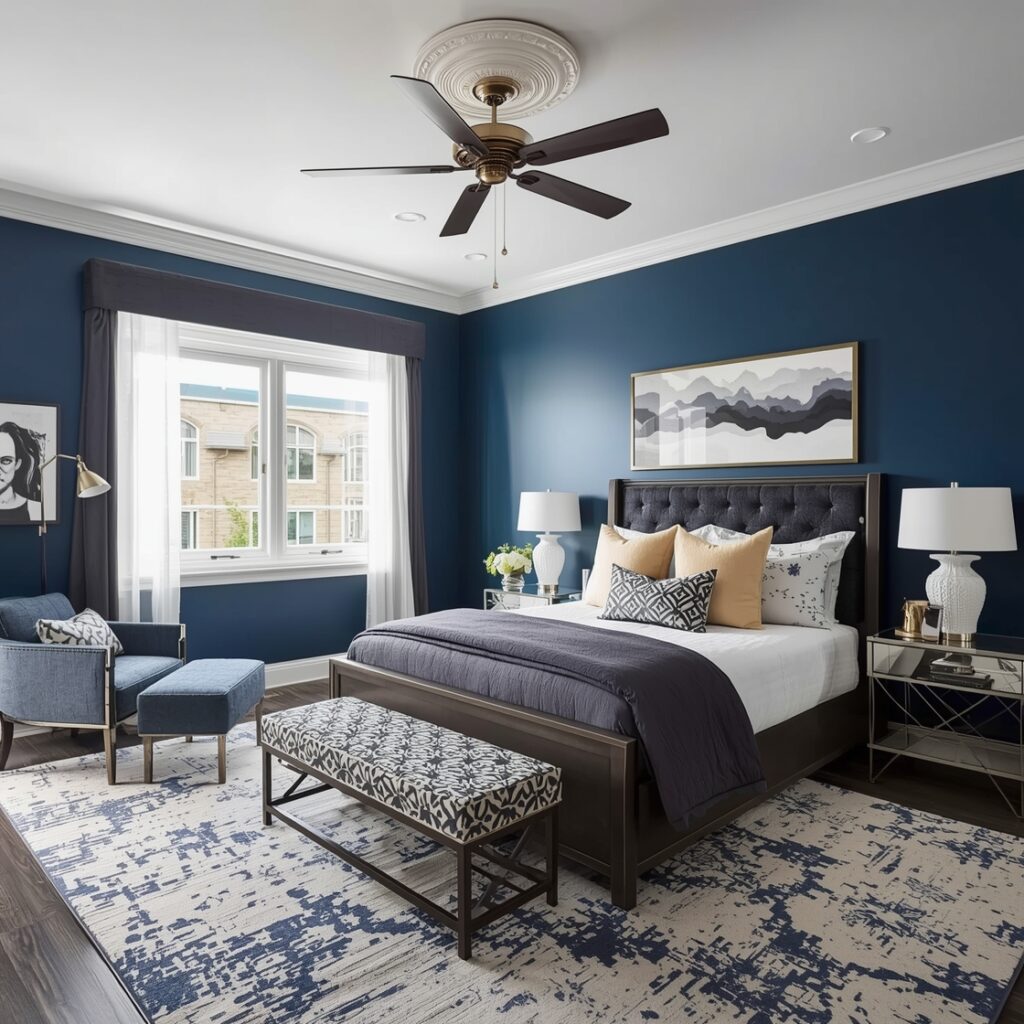
Bedrooms deserve special attention since they’re personal sanctuaries designed for rest and rejuvenation. Calming blues promote relaxation and better sleep, while soft greens create peaceful, nature-inspired retreats. Warm neutrals like taupe and beige provide versatile backdrops that accommodate changing décor preferences. For dramatic sophistication, consider deep charcoal or navy on select walls, balanced with lighter complementary shades. Master bedrooms benefit from more complex, layered palettes, while children’s rooms work best with simpler, adaptable schemes that grow with them. Consider creating an Interior Paint Palette gallery with several options to visualize different moods before deciding.
How This Idea Improves Your Space
A well-planned paint palette transforms more than aesthetics—it fundamentally improves how you experience your home. Cohesive color schemes create visual harmony that reduces stress and promotes wellbeing. Strategic color choices can make small rooms appear larger, dark spaces feel brighter, and disconnected areas flow seamlessly. The right palette increases your home’s perceived value, making it more appealing to future buyers if you decide to sell. Beyond financial benefits, living in a thoughtfully designed space enhances daily comfort, productivity, and happiness, proving that color selection impacts quality of life significantly.
Budget-Friendly Tips
Achieving beautiful results doesn’t require expensive designer paints or professional services. Focus your budget on high-traffic areas and feature walls, using quality paint where it matters most. Sample several options with small tester pots before committing to full gallons, preventing costly mistakes. DIY preparation and painting saves substantially compared to hiring contractors for straightforward projects.
Conclusion
Selecting the perfect Interior Paint Palette requires balancing personal preferences with timeless design principles. These 15 inspirations provide starting points for creating beautiful, enduring spaces that reflect your unique style. Remember that successful color schemes consider lighting, room function, and existing furnishings while maintaining cohesion throughout your home for truly transformative results.
FAQs
Q: How many colors should an interior paint palette include?
A: Most successful palettes include 3-5 colors—a dominant shade covering 60% of surfaces, a secondary color at 30%, and accent colors for the remaining 10%.
Q: Should all rooms in my home use the same paint palette?
A: While maintaining a cohesive color story throughout creates flow, individual rooms can feature variations within your overall scheme to suit their specific purposes.
Q: What’s the best way to test paint colors before committing?
A: Purchase sample sizes and paint large poster boards that you can move around the room, observing how colors look in different lighting throughout the day.
Q: How do I choose between warm and cool paint tones?
A: Consider your room’s natural light—north-facing rooms benefit from warm tones, while south-facing spaces can handle cooler shades. Also factor in existing furniture and flooring undertones.
Q: Can I mix different paint finishes in the same room?
A: Absolutely! Using flat or matte on walls, satin on trim, and semi-gloss on doors and cabinets adds subtle dimension while serving practical purposes for cleaning and durability.