15 Effective Two-Toned Kitchen Cabinet Color Schemes
Introduction
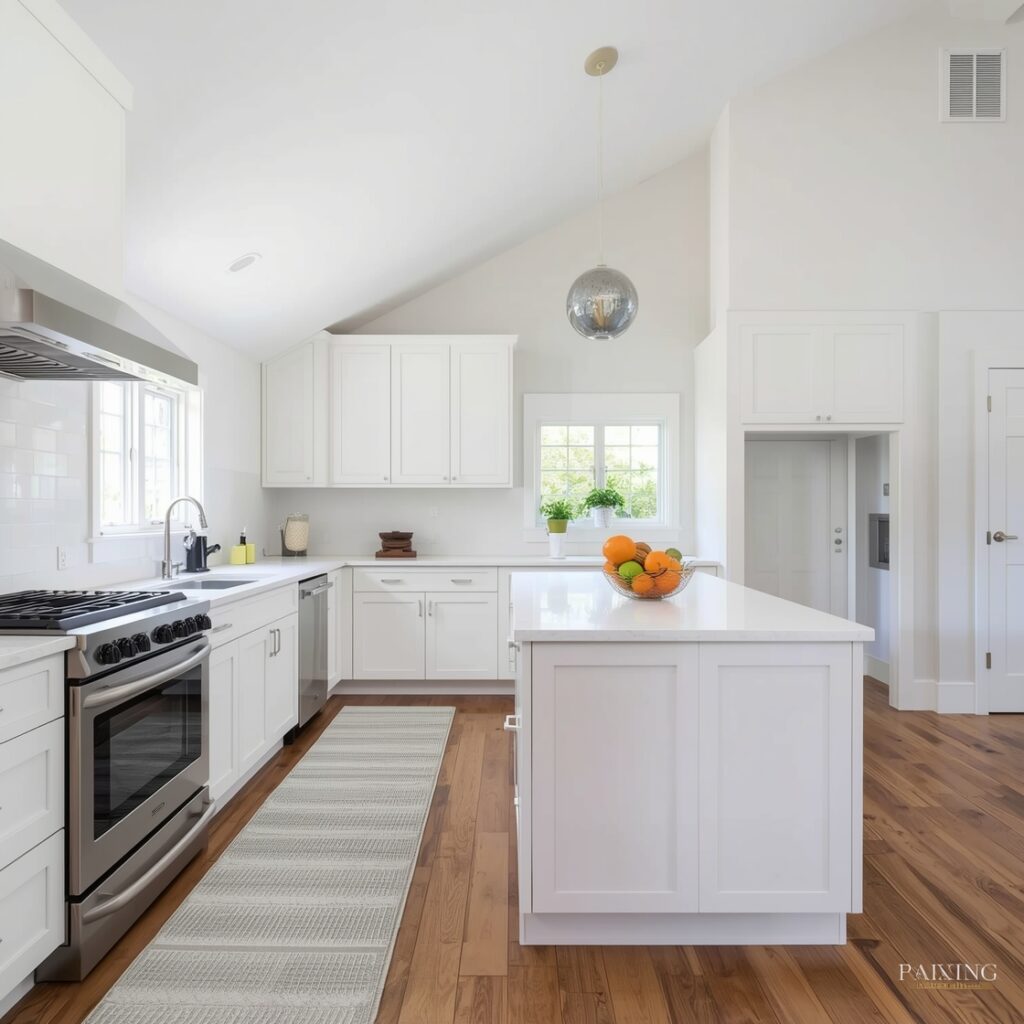
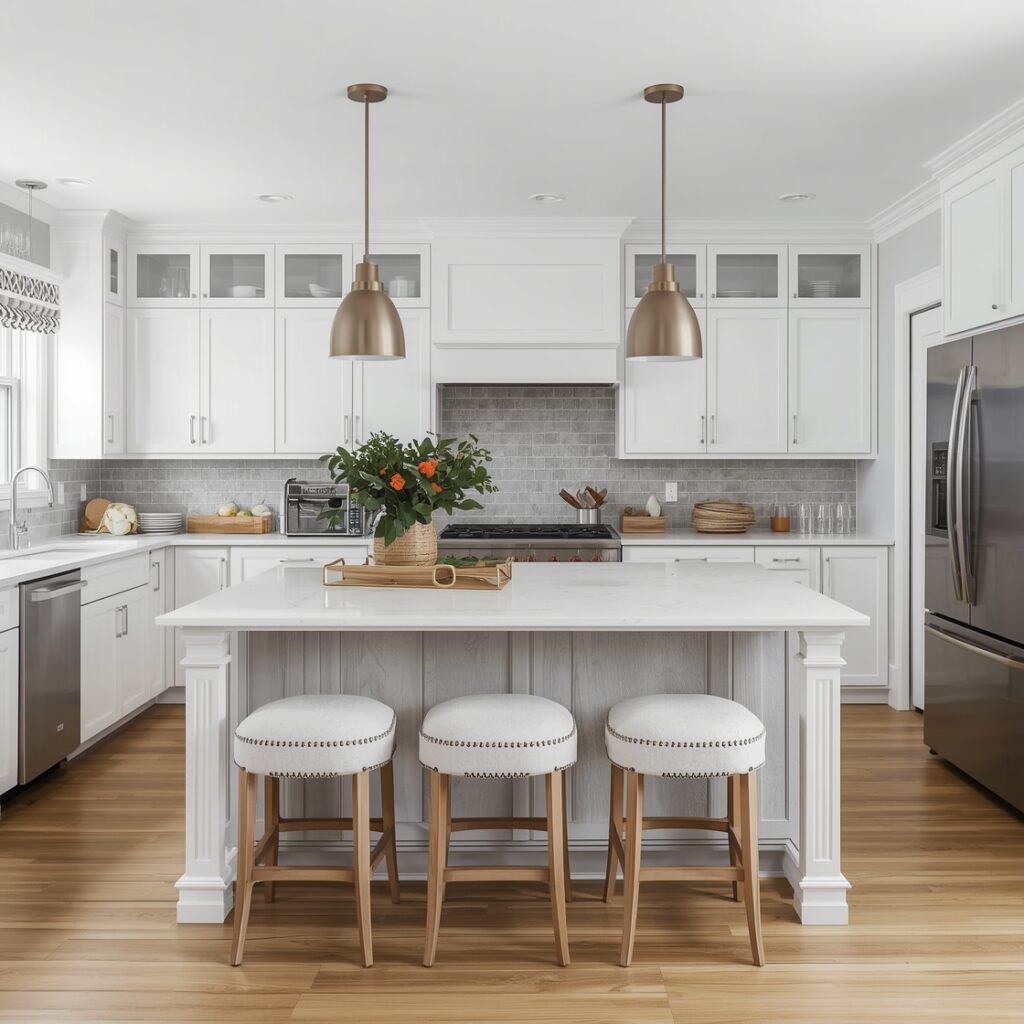
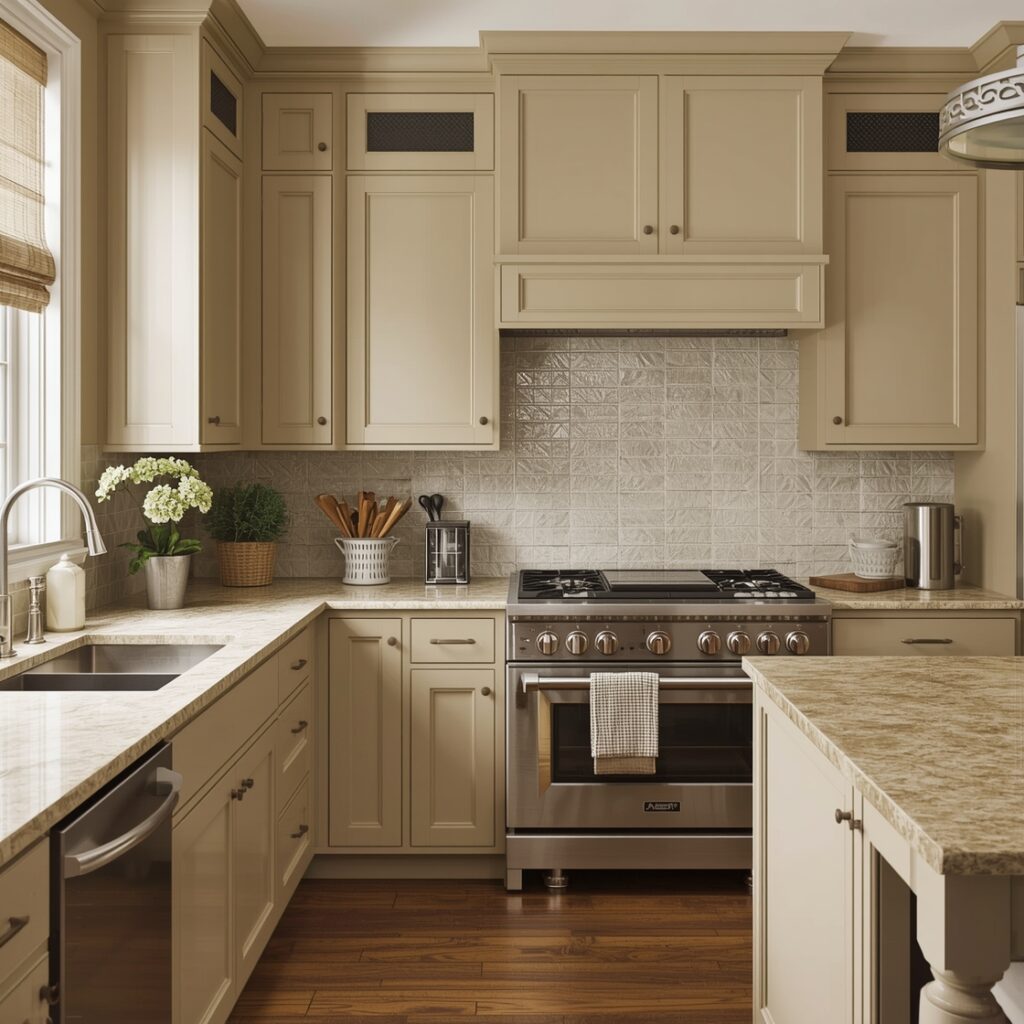
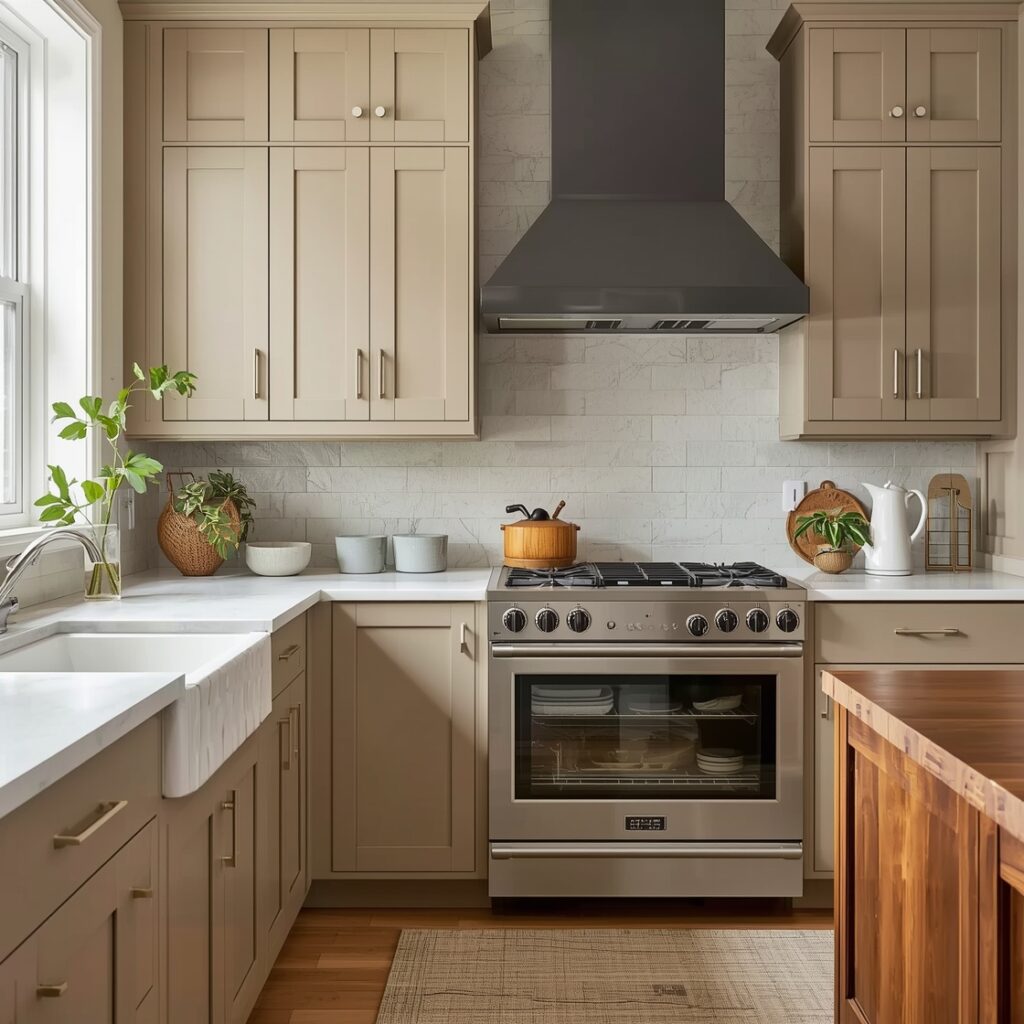
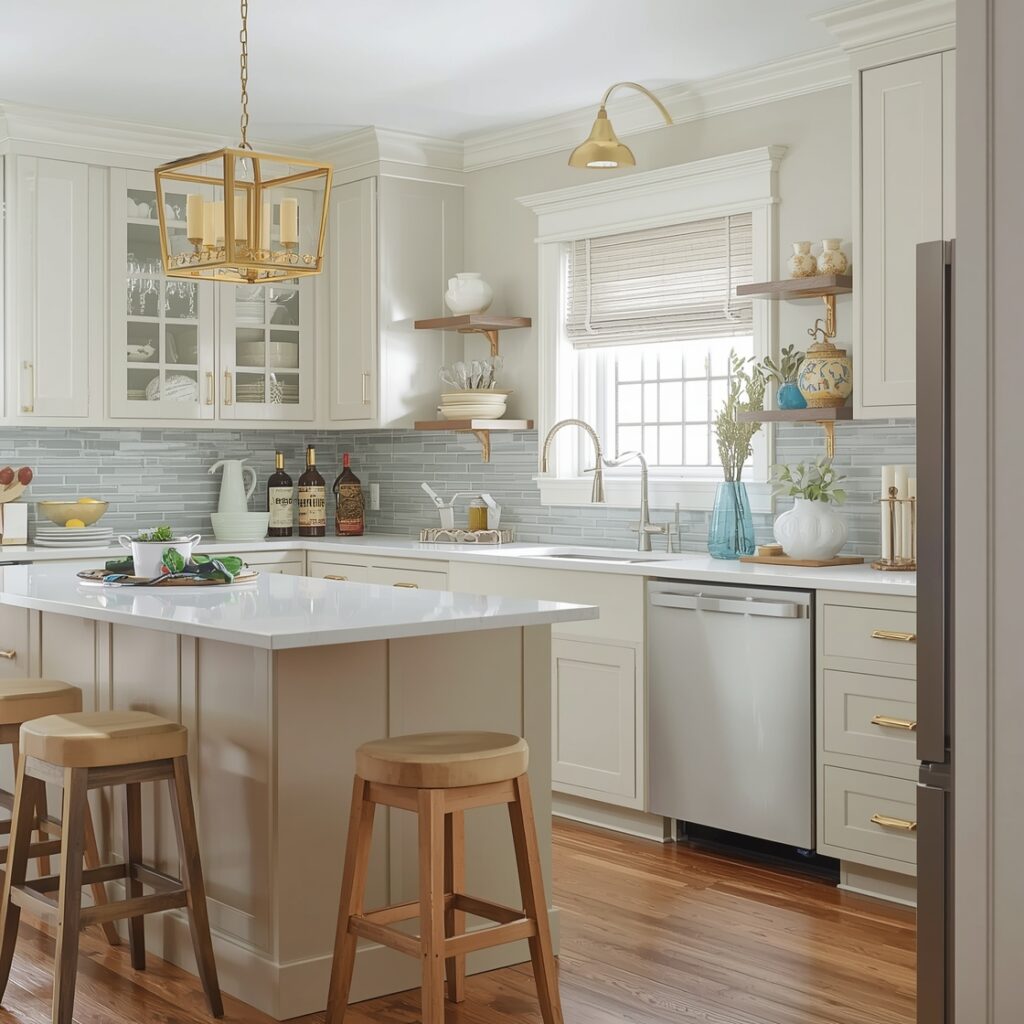
Transform your cooking space with stunning two-toned kitchen cabinet color combinations that blend style and sophistication. The growing trend of two tone kitchen cabinets offers homeowners endless possibilities to create visual interest and define different kitchen zones. Whether you’re renovating or building from scratch, these dual-color schemes add depth, dimension, and personality to your culinary haven. From classic contrasts to modern pairings, two-toned cabinetry remains one of the most impactful design choices for contemporary kitchens.
Modern Two-Toned Color Pairings
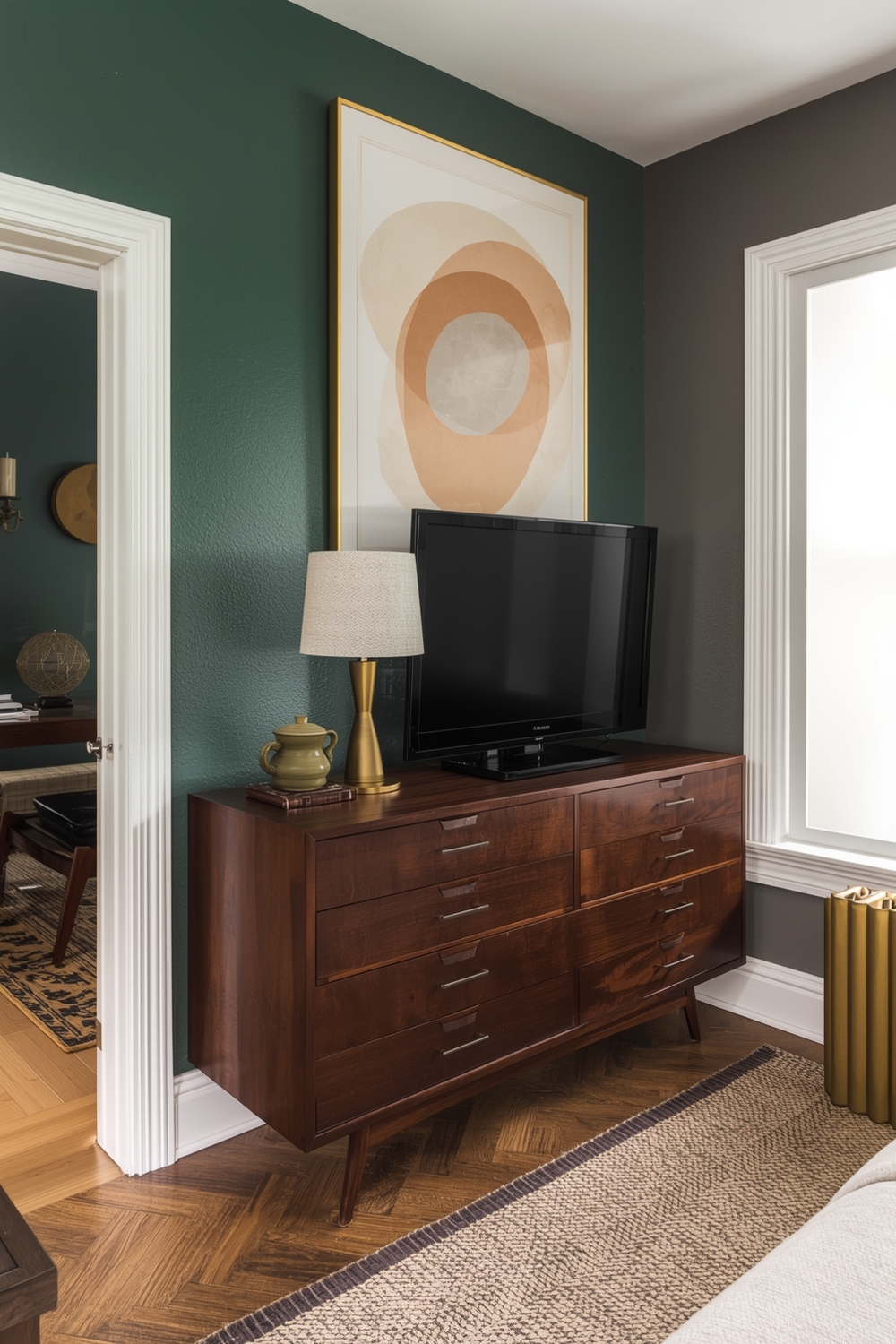
Contemporary two-toned kitchen cabinet color schemes embrace bold contrasts and subtle harmonies alike. Popular combinations include navy blue paired with crisp white, charcoal gray alongside warm wood tones, and sage green complemented by creamy beige. These modern pairings create focal points while maintaining cohesion throughout your kitchen. The key to successful color pairing lies in balancing warm and cool tones. Consider pairing cool grays with warm browns, or deep emerald with soft ivory. These combinations work particularly well in open-concept spaces where the kitchen flows into living areas. Modern palettes also incorporate unexpected colors like terracotta with slate blue, creating unique visual statements that reflect personal style while remaining timeless.
Two-Toned Cabinets with Light Upper and Dark Lower Units
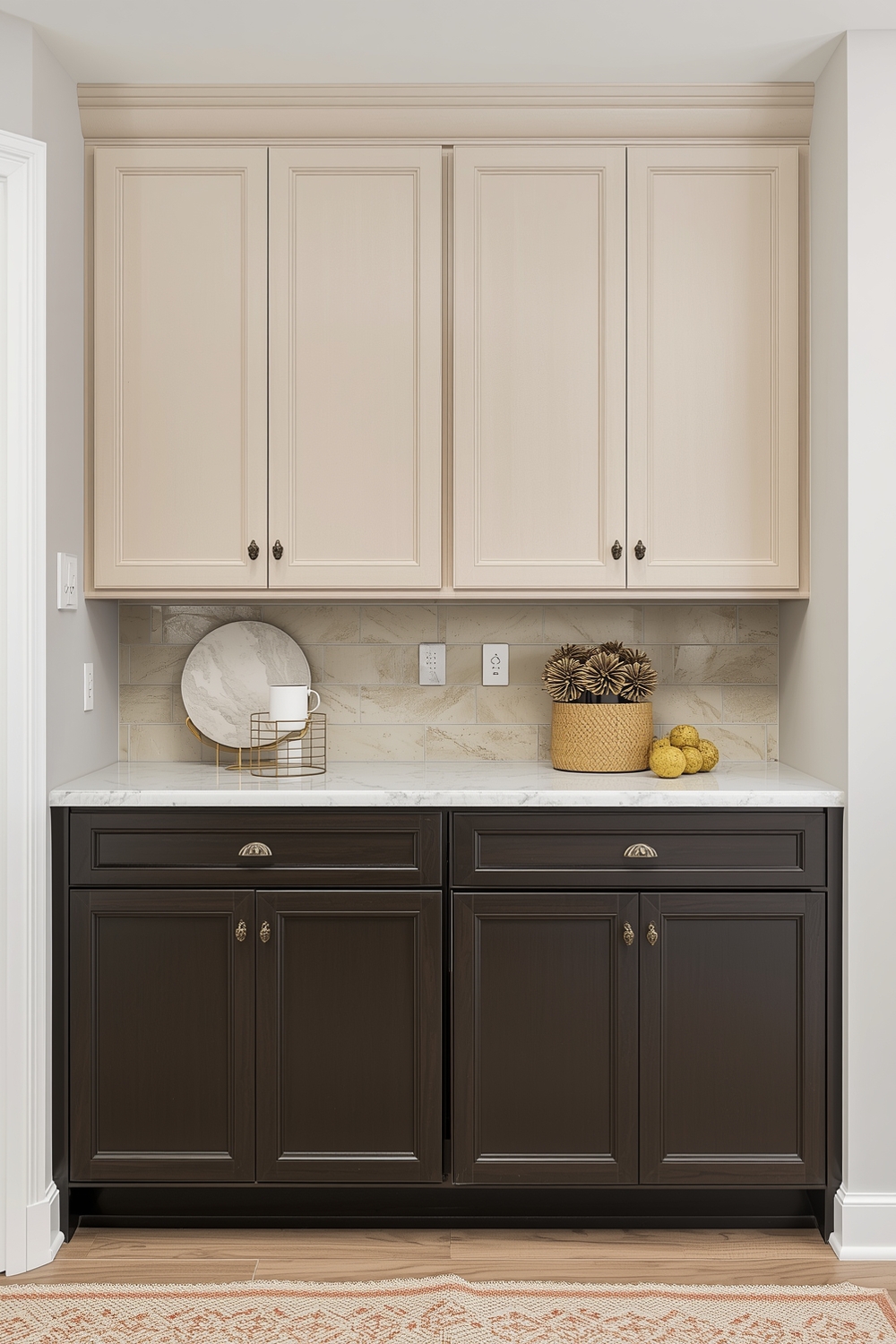
The classic approach of light upper cabinets paired with dark lower units maximizes both style and functionality. This two-toned kitchen cabinet color arrangement creates an airy atmosphere while grounding the space with rich, darker tones below. White or cream upper cabinets paired with navy, forest green, or espresso lowers remain perennially popular. This configuration offers practical benefits beyond aesthetics. Dark lower cabinets hide scuffs and stains better in high-traffic areas, while light uppers reflect natural light, making kitchens feel more spacious. The horizontal division also draws the eye across the room, emphasizing width and creating a balanced visual flow that works in various kitchen layouts.
Two-Toned Cabinets with Contrasting Metal Hardware
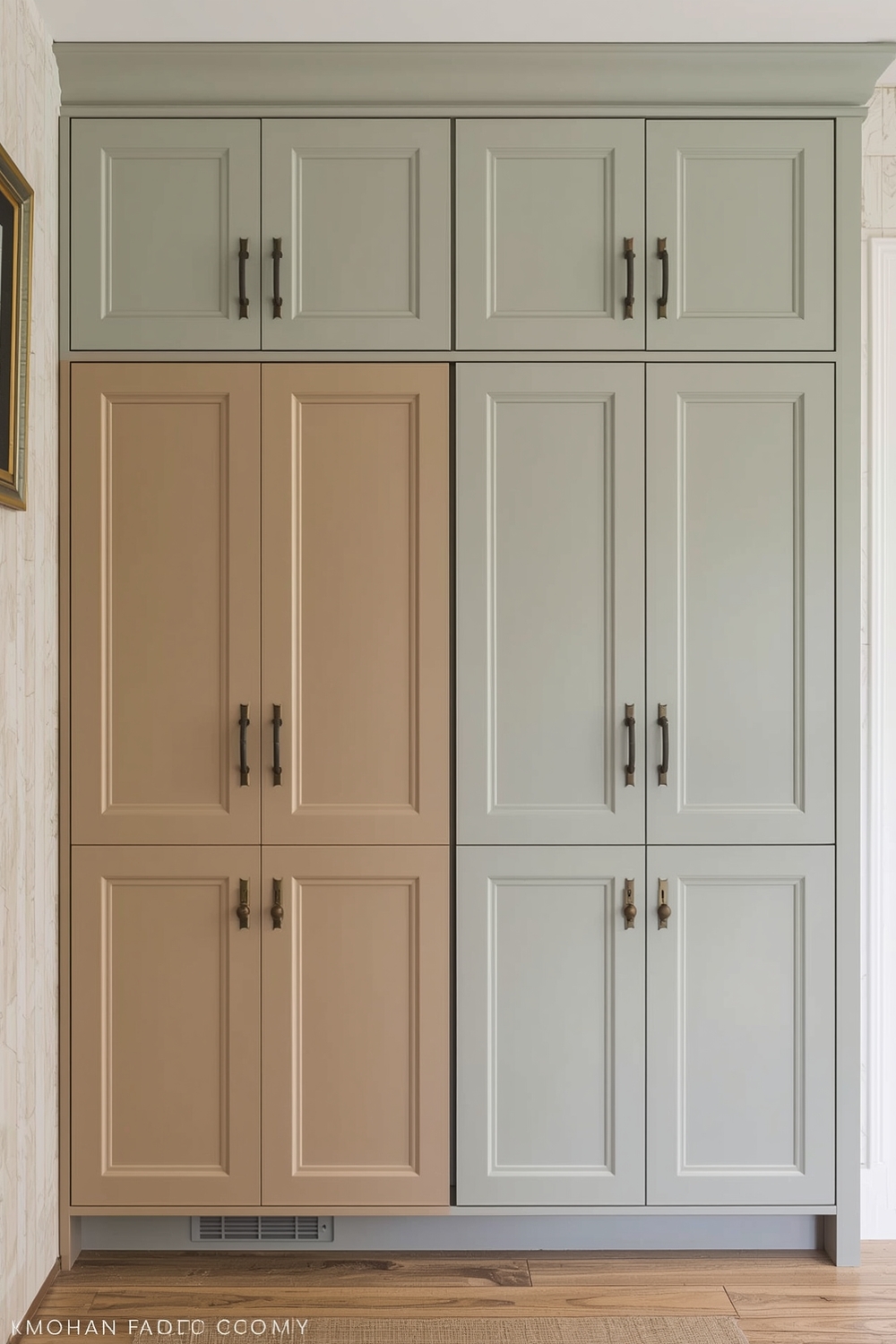
Hardware selection dramatically impacts two tone kitchen cabinets aesthetics. Brass or gold fixtures add warmth to cool-toned cabinetry, while matte black hardware creates striking contrast against lighter colors. Mixing finishes—like brass on upper cabinets and black on lowers—adds another layer of sophistication to your design scheme, elevating the entire space beyond standard applications.
Two-Toned Kitchen with a Substantial Island
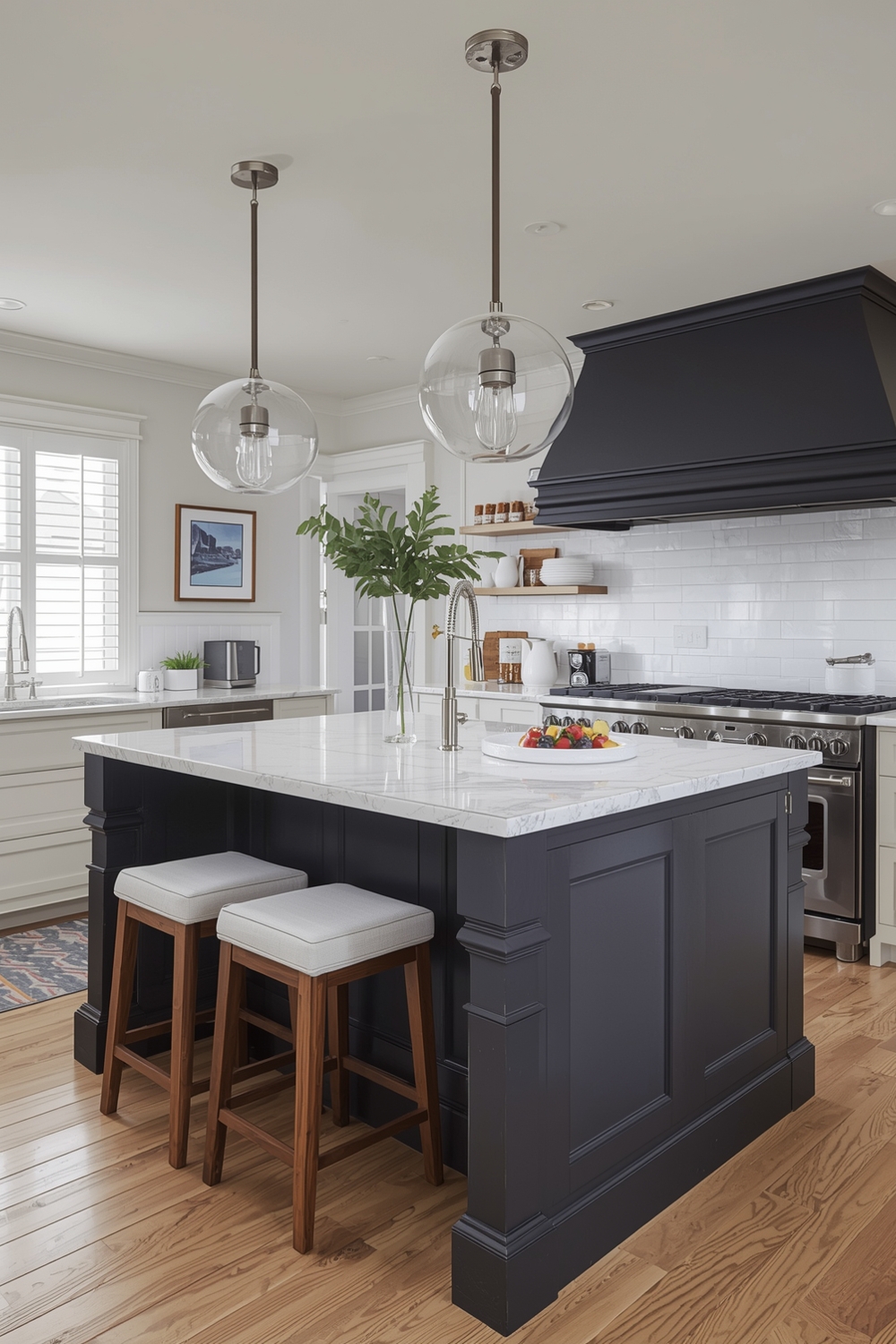
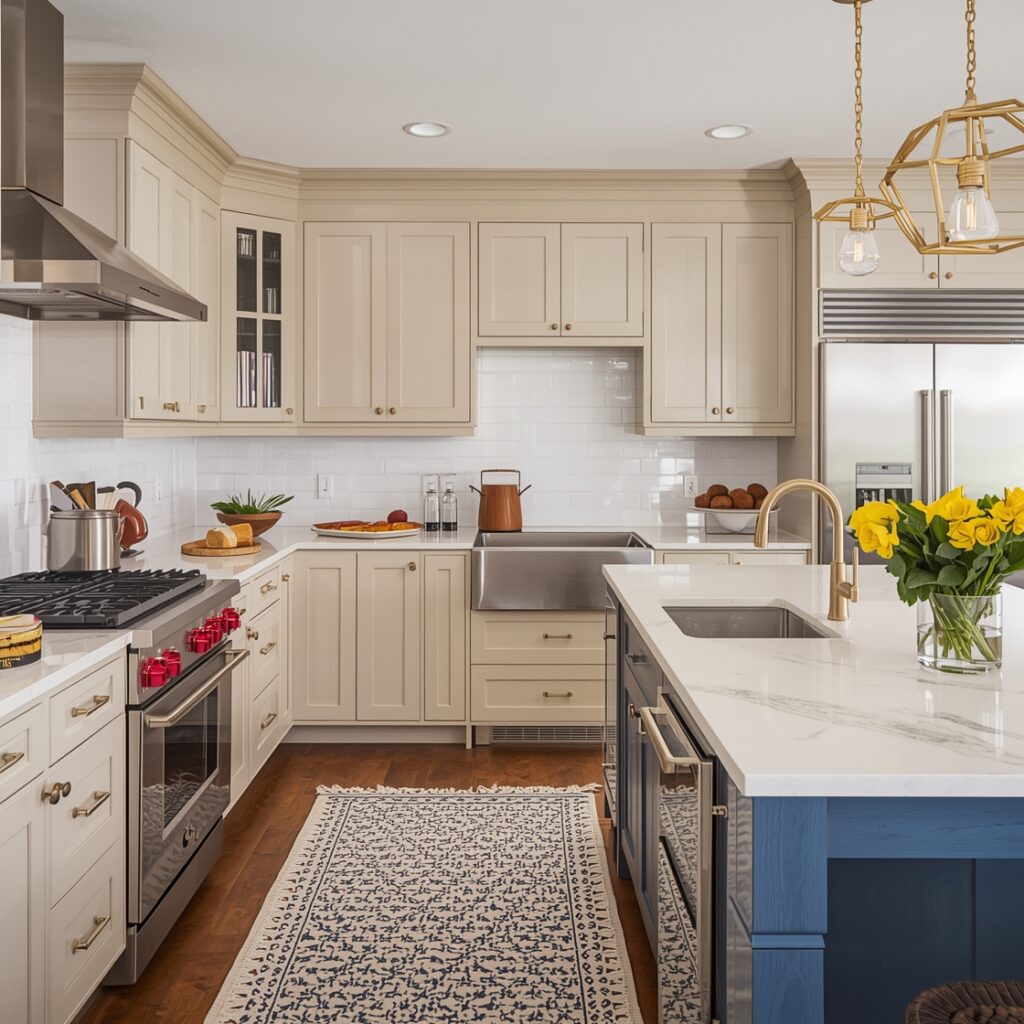
Kitchen islands provide the perfect canvas for contrasting two-toned kitchen cabinet color experimentation. A bold island in deep blue, emerald green, or even black creates a stunning focal point against perimeter cabinets in neutral tones. This approach defines the island as both a functional workspace and design centerpiece, anchoring the room while adding visual weight and architectural interest to open floor plans.
Two-Toned Cabinets with Quartz Countertops
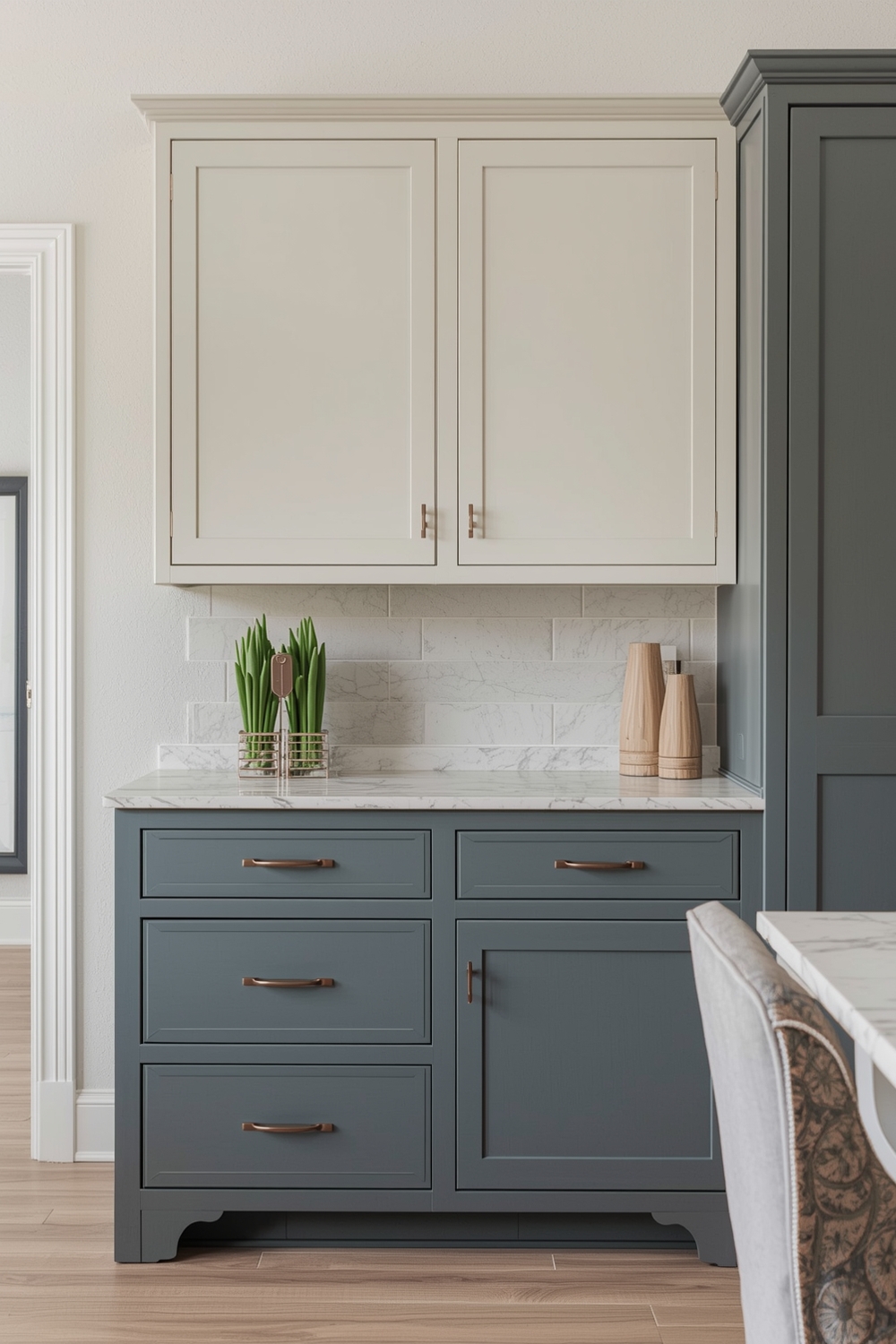
Quartz countertops complement two-toned kitchen cabinet color schemes beautifully, offering versatility in pattern and hue. White quartz with gray veining bridges the gap between contrasting cabinet colors, while solid colors can match either tone for cohesion. Warm-toned quartz pairs exceptionally with wood and cream cabinets, while cool grays harmonize with blue and charcoal combinations. The durability and consistency of quartz make it ideal for two-toned kitchens where you want countertops to unify rather than compete. Choose veining patterns that subtly incorporate both cabinet colors, or opt for neutral tones that allow the cabinetry to shine as the primary design feature.
Two-Toned Kitchen Spatial Arrangements
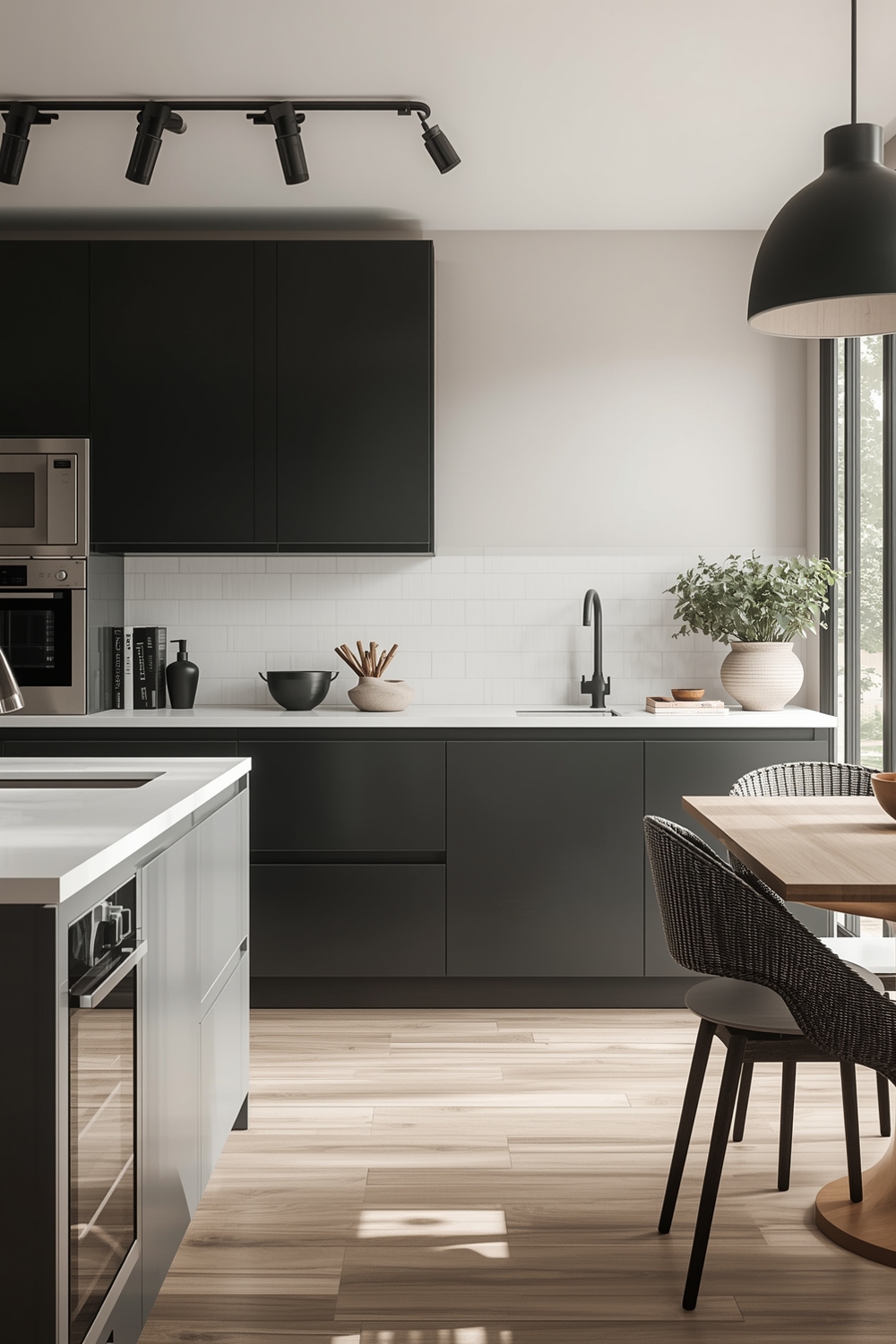
Strategic placement of contrasting colors defines zones within your kitchen. Use darker two tone kitchen cabinets for the cooking zone and lighter tones for food prep areas. This spatial arrangement creates natural divisions in open layouts, guiding traffic flow while maintaining visual continuity throughout the space without requiring physical barriers or walls.
Two-Toned Solutions for Small Kitchen Areas
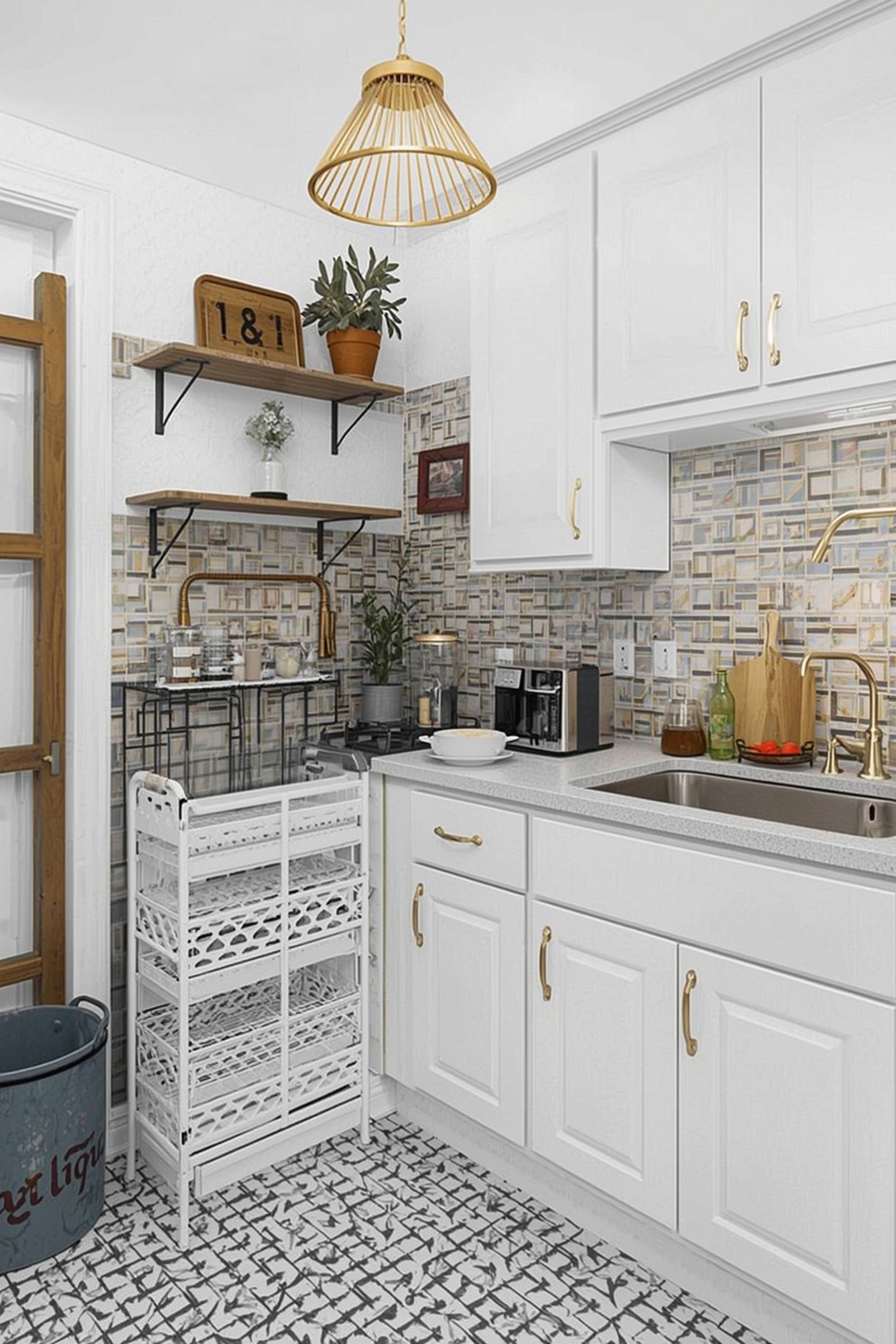
Small kitchens benefit tremendously from thoughtful two-toned kitchen cabinet color application. Light uppers expand vertical space visually, while a darker island or lower cabinets prevent the design from feeling washed out. Stick to soft contrasts—like white and light gray—rather than dramatic opposites to maintain airiness. This measured approach creates dimension without overwhelming compact square footage or making cramped spaces feel smaller.
Two-Toned Designs for Grand Kitchen Spaces
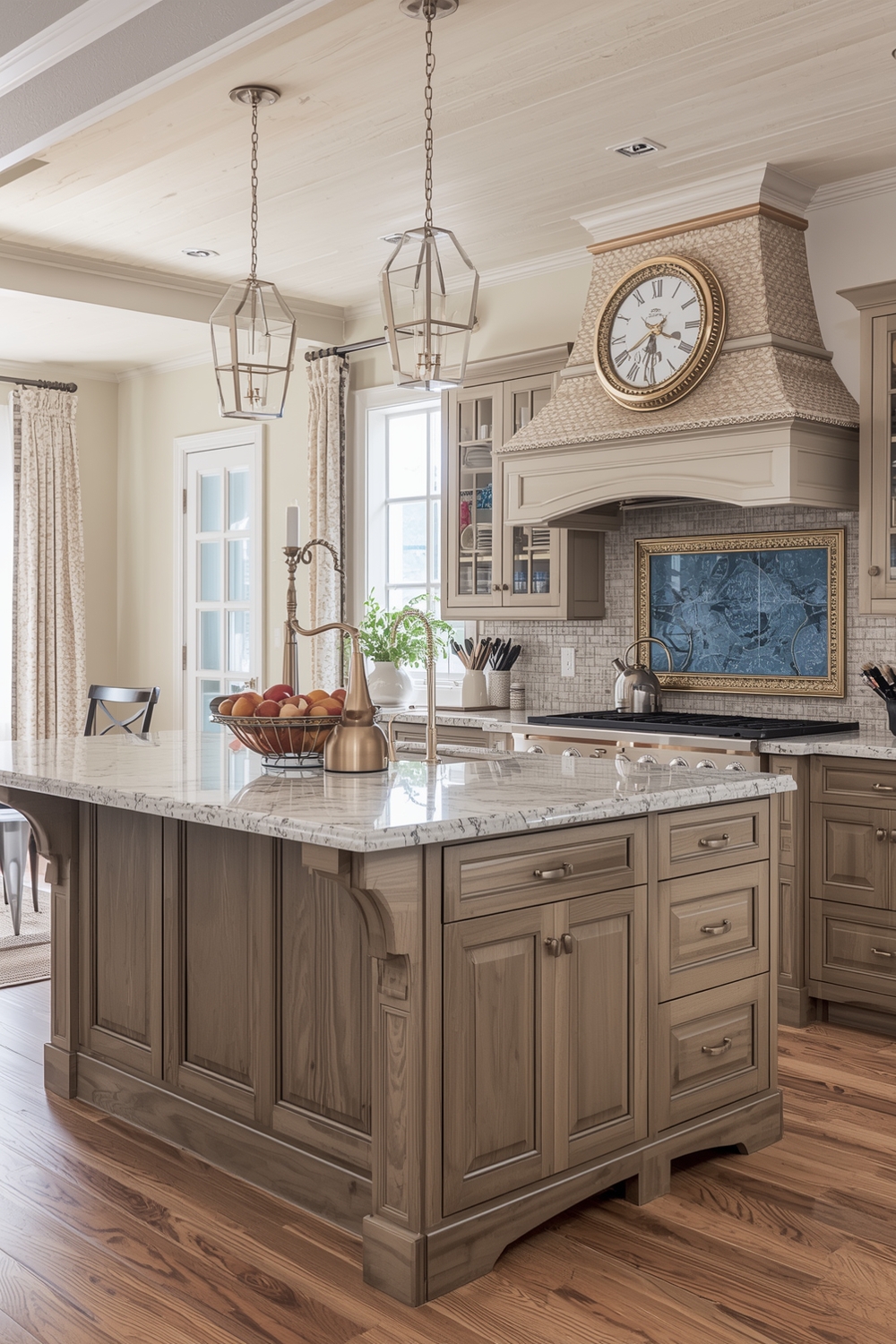
Large kitchens handle bolder two tone kitchen cabinets contrasts beautifully. Dramatic pairings like black and white, or deep burgundy with cream, fill expansive spaces without appearing lost. Multiple work zones in grand kitchens benefit from color differentiation—perhaps navy for the baking station and white for the main prep area. Grand spaces also accommodate three-tone schemes, though the principle remains similar. Consider a neutral base color for perimeter cabinets, a bold island color, and a third accent tone for a pantry or coffee bar area. This layered approach adds complexity while maintaining the two-toned foundation that prevents visual chaos.
Two-Toned Cabinets with Floating Shelves
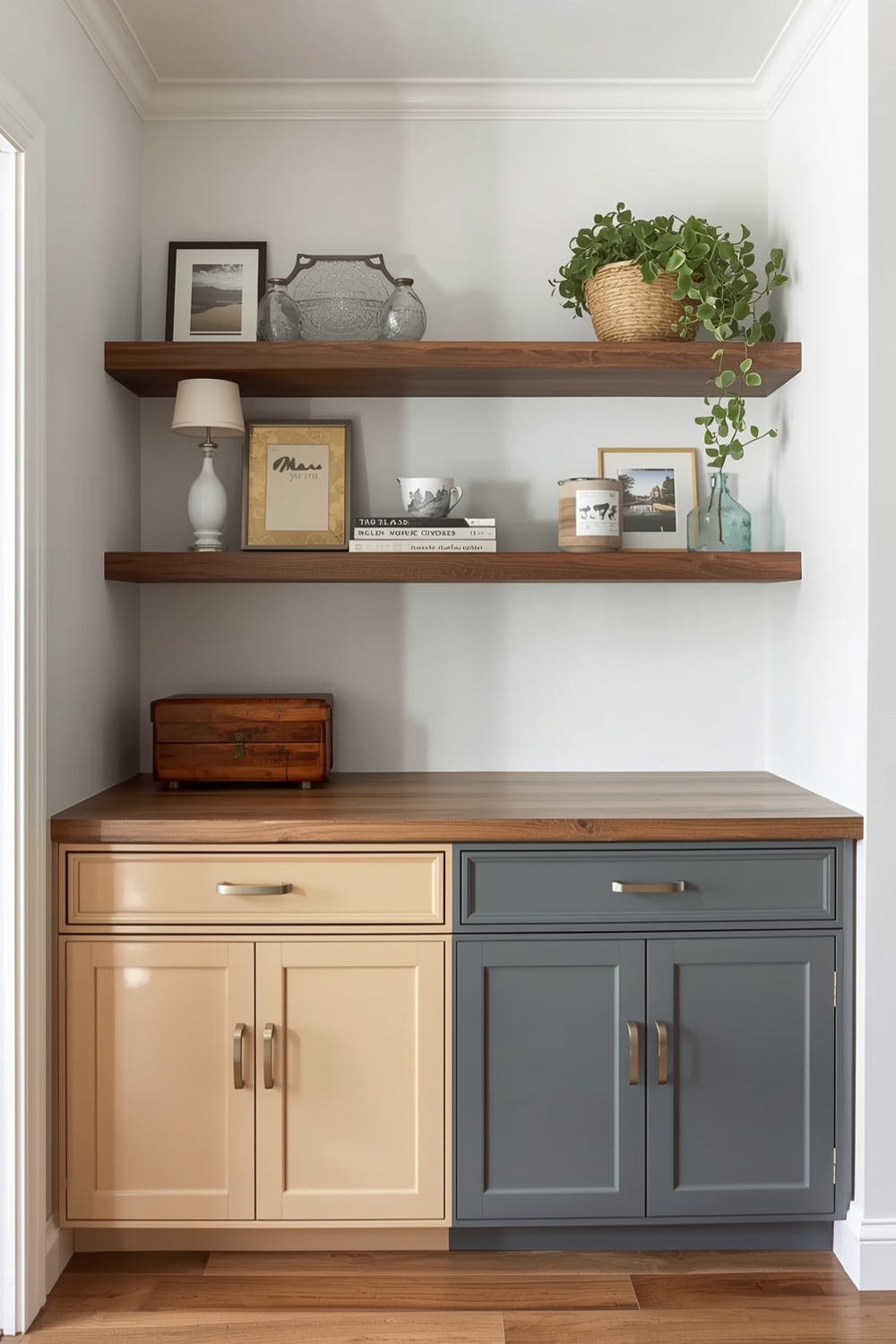
Incorporating floating shelves into two-toned kitchen cabinet color schemes adds dimension and breaks up solid cabinetry walls. Position natural wood shelves between contrasting upper and lower cabinets, or use them to introduce a third complementary tone. Open shelving displays dishware and decor while providing visual breathing room that enhances the overall two-toned effect throughout your design.
Highly Practical Two-Toned Kitchen Cabinets
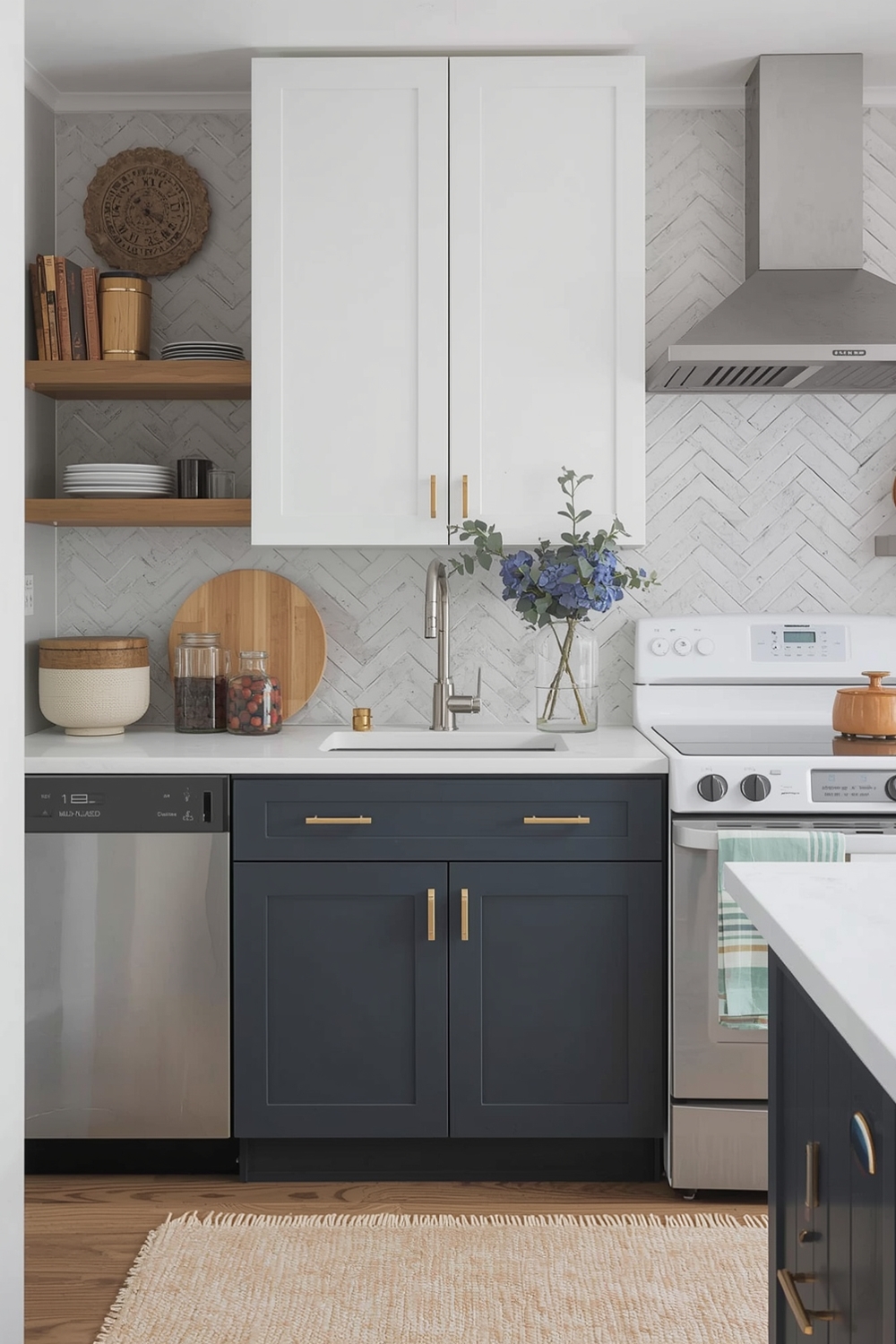
Beyond aesthetics, two-toned kitchen cabinet color schemes offer practical advantages. Darker colors on frequently touched areas like islands and lower cabinets conceal fingerprints and wear better than all-white kitchens. Meanwhile, lighter uppers keep the space bright and welcoming. This functional approach to color selection ensures your kitchen remains beautiful with less intensive maintenance over years of daily use.
Two-Toned Cabinets with Recessed Lighting
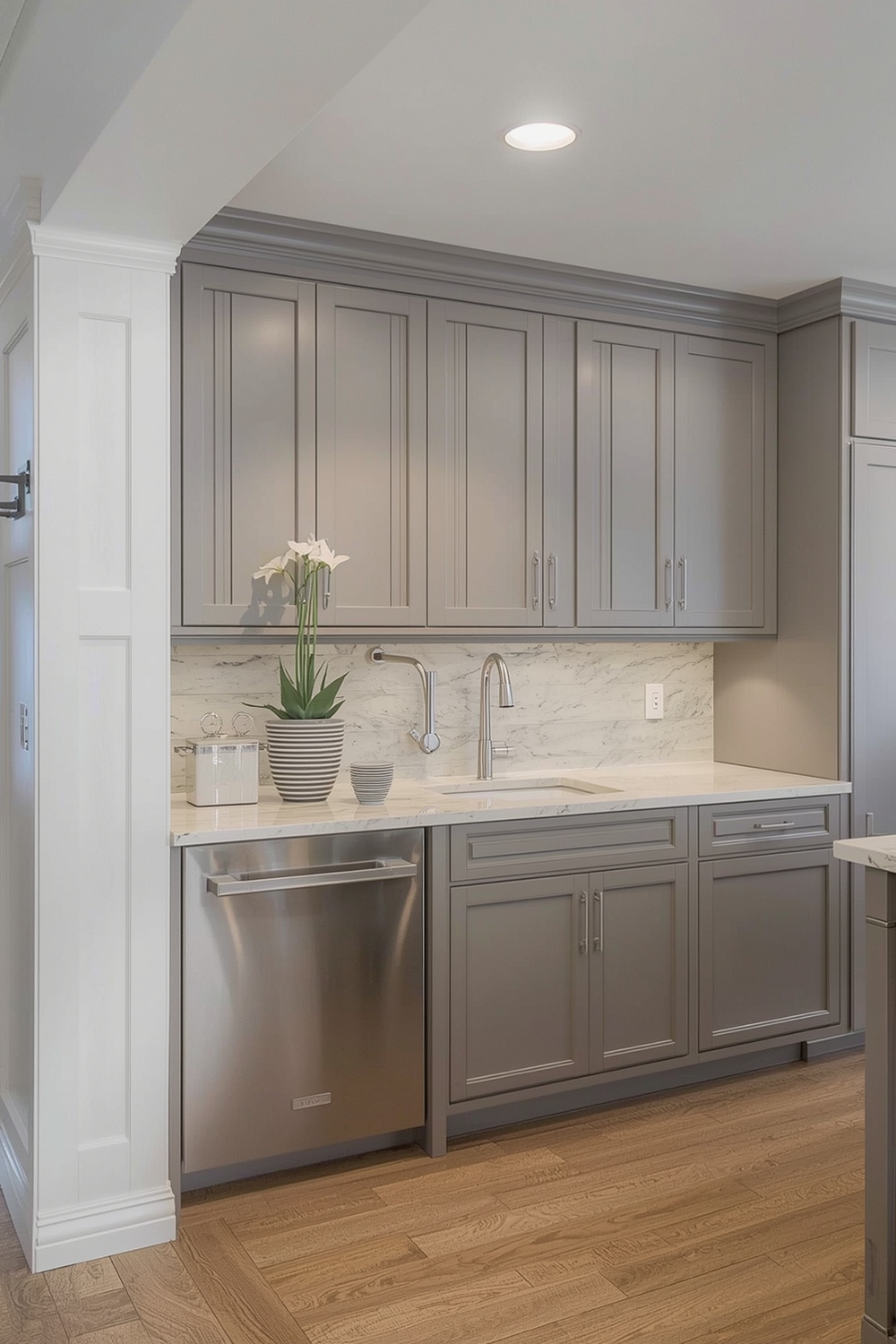
Recessed lighting enhances two-toned kitchen cabinet color schemes by highlighting the contrast between hues. Under-cabinet lights illuminate countertops while creating shadows that emphasize the color transition. LED strips inside glass-front cabinets showcase upper cabinet colors, while strategically placed ceiling fixtures prevent darker lower cabinets from appearing too heavy or cave-like. Proper lighting placement ensures both cabinet colors appear true to their intended shade throughout the day. Warm LED bulbs complement wood tones and cream colors, while cooler temperatures enhance grays, blues, and whites, ensuring your carefully selected palette always looks its best.
Clean Two-Toned Kitchen Cabinet Designs
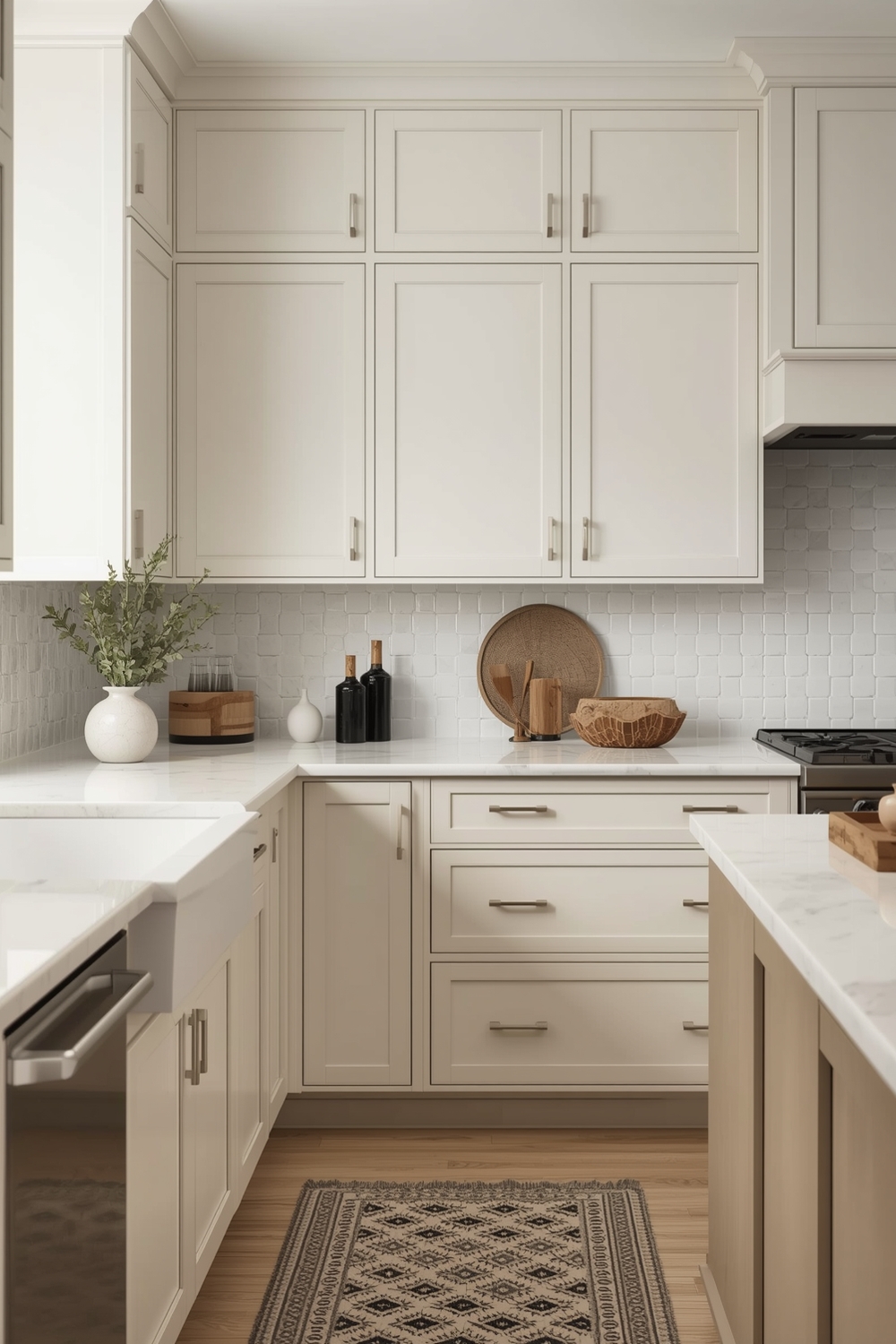
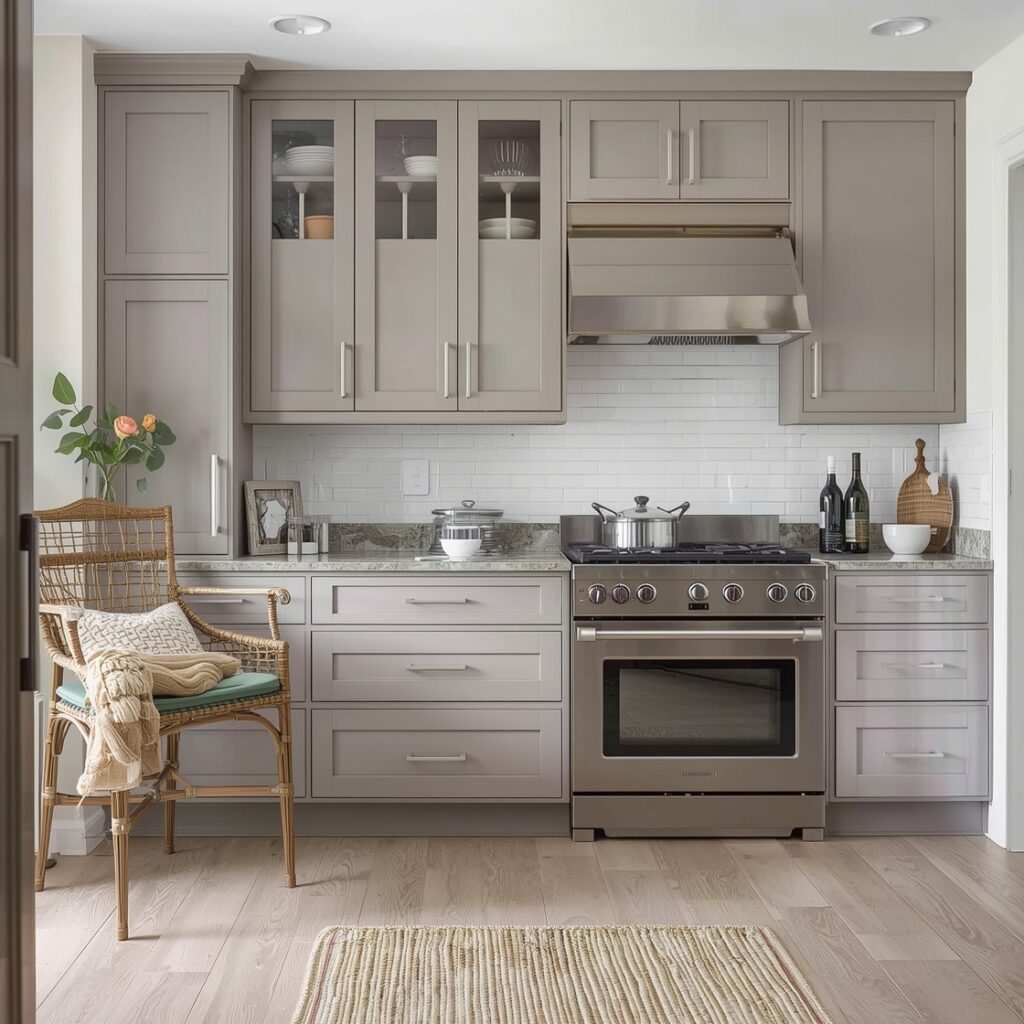
Minimalist two tone kitchen cabinets emphasize clean lines and simple color blocking. Handleless cabinets in two contrasting tones create sleek, contemporary aesthetics without ornate details competing for attention. Popular clean combinations include pure white with medium gray, or soft taupe with charcoal. This streamlined approach works particularly well in modern and Scandinavian-inspired kitchens where simplicity reigns. The color contrast provides all the visual interest needed, eliminating the requirement for decorative hardware, glass inserts, or ornamental moldings. The result is timeless, uncluttered elegance that won’t feel dated as trends evolve.
Contemporary Two-Toned Kitchen Styling
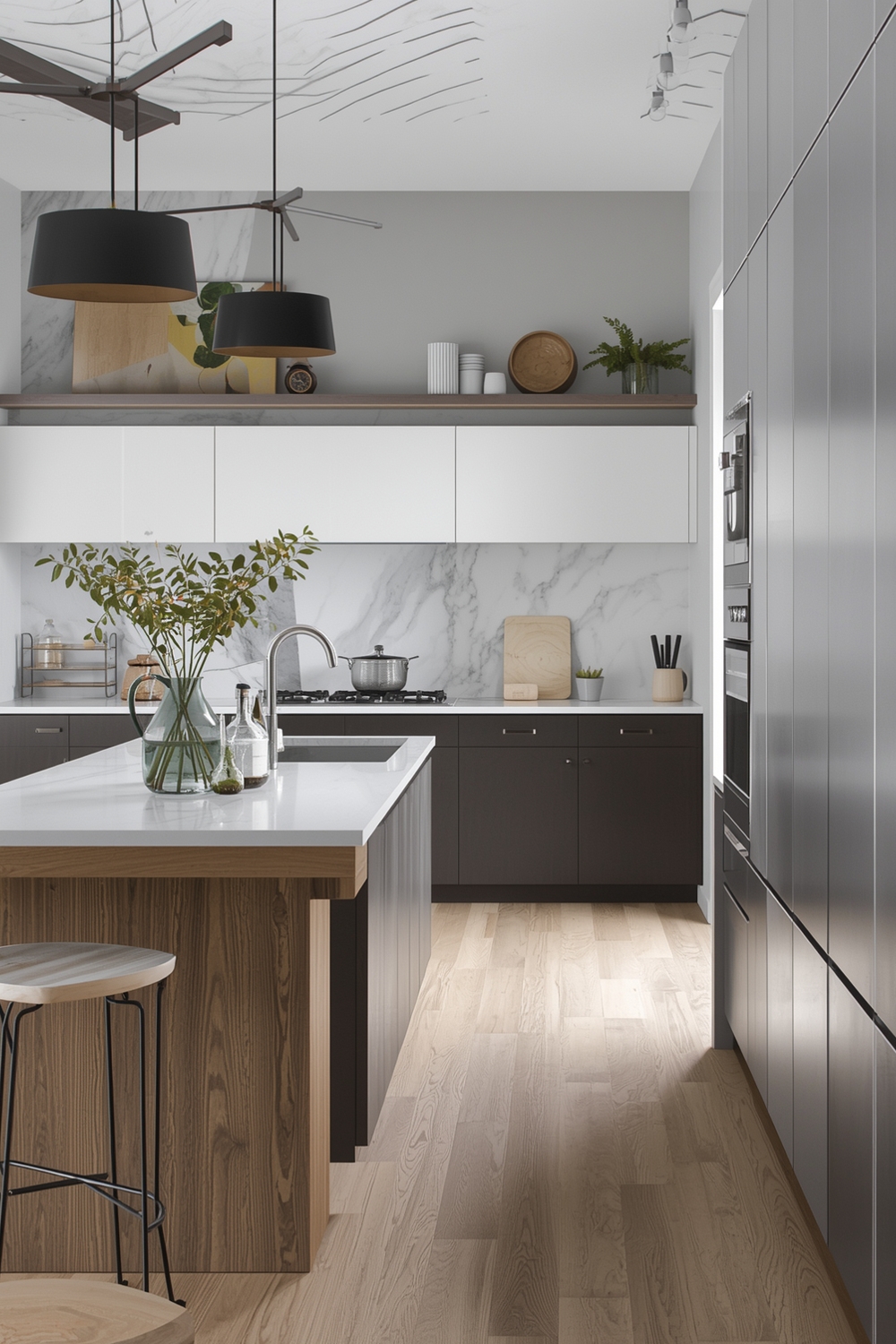
Contemporary kitchens embrace unexpected two-toned kitchen cabinet color combinations like blush pink with forest green, or mustard yellow with navy blue. These fashion-forward palettes reflect current design trends while maintaining the classic two-tone foundation. Pair bold choices with neutral countertops and backsplashes to prevent overwhelming the senses and ensure longevity.
Two-Toned Cabinets with Stylish Organizational Features
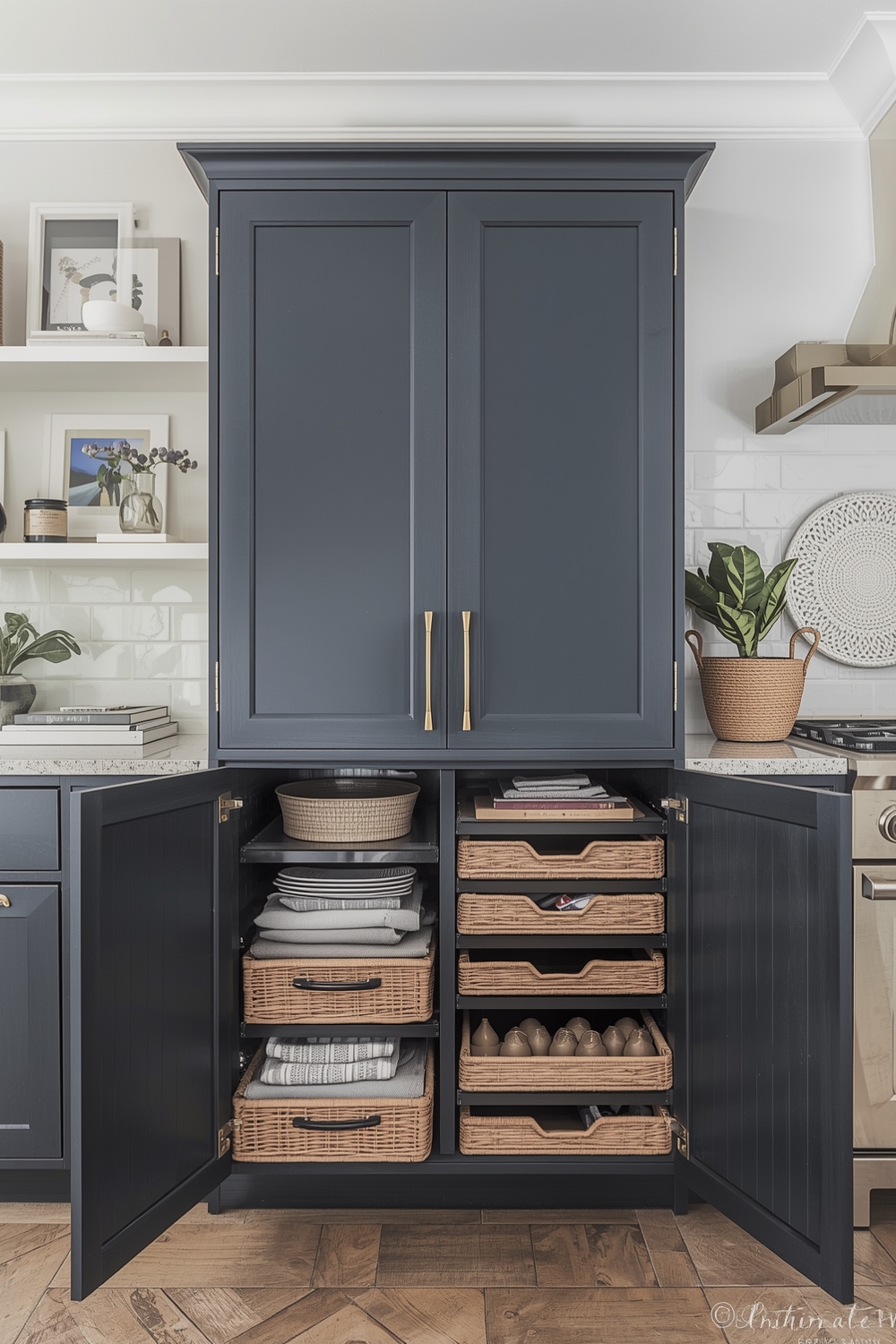
Modern two-toned kitchen cabinet color designs incorporate smart organization seamlessly. Pull-out spice racks, drawer dividers, and corner solutions work within any color scheme. Consider color-coding organizational zones—darker cabinets for cooking supplies, lighter ones for dishes—making kitchen navigation intuitive while maintaining aesthetic appeal and functional efficiency throughout your workspace.
Two-Toned Kitchen Cabinet Decorative Element Ideas
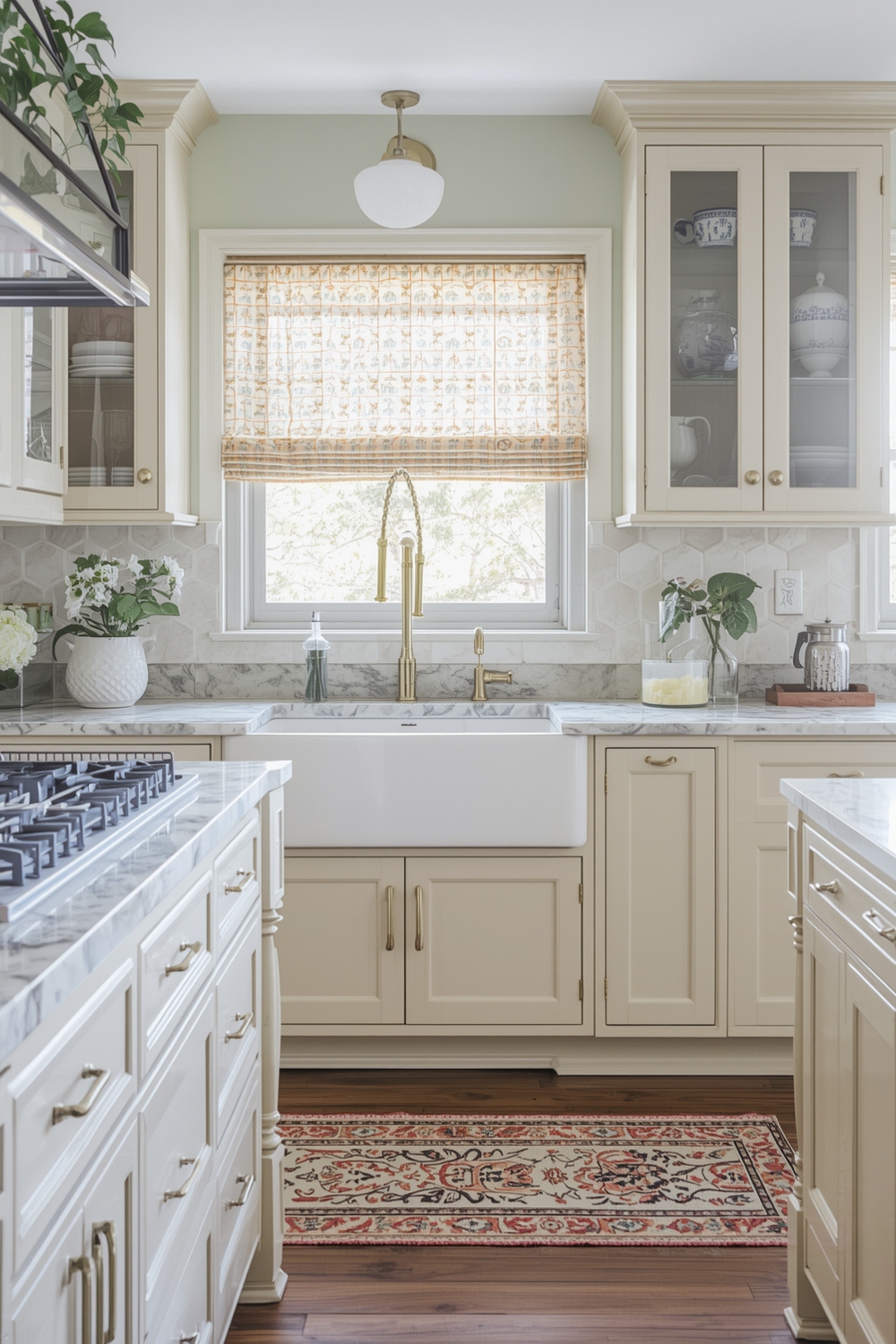
Enhance two tone kitchen cabinets with complementary decorative elements. Glass-front cabinets in the lighter tone display colorful dishware, while open shelving between contrasting cabinets showcases plants or cookbooks. Crown molding, even when painted to match cabinetry, adds architectural detail that elevates the overall design. Decorative range hoods in one of your cabinet colors create cohesive focal points that tie the entire color scheme together beautifully. Consider adding beadboard or shiplap backsplash in a neutral tone that bridges both cabinet colors, or introduce patterned tile that incorporates both hues. These decorative touches reinforce your color choices while adding texture and visual interest beyond flat cabinet surfaces.
How This Idea Improves Your Space
Two-toned cabinetry transforms kitchens by creating depth and defining functional zones without walls. The color contrast naturally draws attention to architectural features and prevents monotony in large cabinet runs. This design approach increases perceived value, as custom-looking kitchens appeal to future buyers while providing daily enjoyment. The strategic use of light and dark creates balance, making spaces feel thoughtfully designed rather than basic or builder-grade installations.
Budget-Friendly Tips
Achieve affordable two-toned looks by painting existing cabinets rather than replacing them. Focus contrasting color on the island or lower cabinets only, leaving uppers in their original finish. Shop discontinued paint colors for significant savings, or use cabinet-grade contact paper for a temporary, renter-friendly transformation that delivers impact without permanent commitment.
Conclusion
The versatility of two-toned kitchen cabinet color schemes offers endless design possibilities for every style and budget. From classic light-and-dark combinations to bold contemporary pairings, this approach adds dimension, defines spaces, and creates kitchens with lasting appeal. Whether you’re planning a full renovation or a simple refresh, two-toned cabinetry delivers maximum impact with thoughtful color selection and strategic placement throughout your culinary space.
FAQs
What are the most popular two-toned kitchen cabinet color combinations? White upper cabinets with navy, gray, or wood-toned lower cabinets remain most popular, followed by all-white perimeter cabinets with a contrasting bold island in colors like emerald, black, or deep blue. Do two-toned cabinets work in small kitchens? Yes, when executed with lighter shades and subtle contrasts. Use light uppers to maintain airiness and introduce darker tones sparingly on an island or lower cabinets to add depth without overwhelming the space. Should hardware match on both cabinet colors? Hardware can match for cohesion or differ for added visual interest. Many designers recommend consistent finishes throughout, though mixing metals (brass on uppers, black on lowers) creates sophisticated, layered looks. Are two-toned kitchens just a trend? While specific color combinations may trend, the concept of two-toned cabinetry has remained popular for decades and is considered a timeless design approach that adds architectural interest and prevents monotony. What’s the best way to transition between two cabinet colors? Natural breaks like corners, the kitchen island, or the division between upper and lower cabinets provide ideal transition points. Avoid splitting single cabinet runs with different colors, which can appear disjointed.