Introduction
Discover the transformative power of Color Harmony Palettes in creating beautifully balanced interior spaces. Whether you’re redesigning a single room or planning a whole-home makeover, understanding effective color palette combinations is essential for achieving professional-looking results. These 15 optimal layouts will guide you through strategic color placement, helping you create visually cohesive environments that reflect your personal style while maintaining perfect aesthetic balance throughout your living spaces.
Color Harmony Palette Layout Strategies
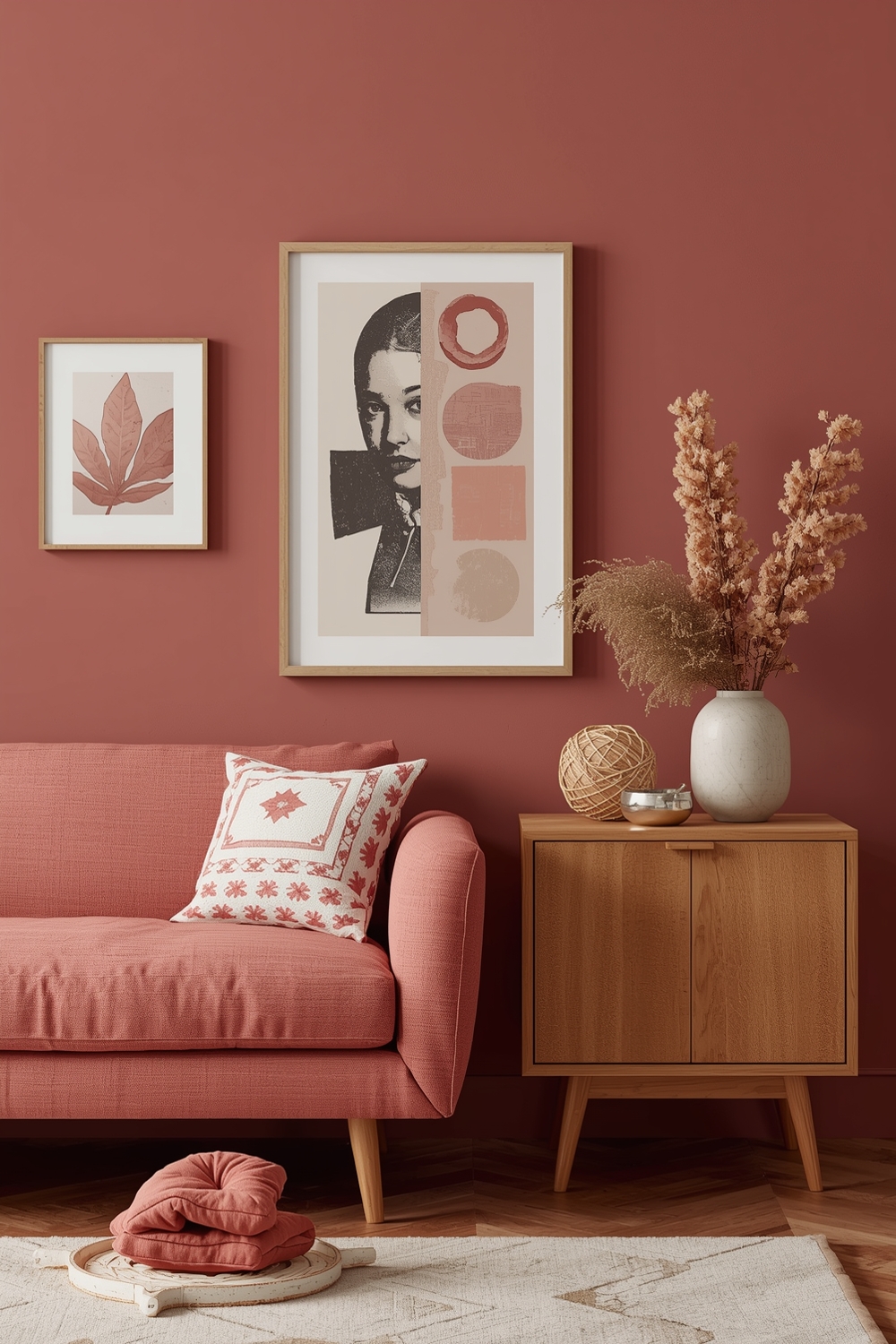
Implementing Color Harmony Palettes requires thoughtful planning and strategic layout approaches. Start by identifying your dominant color, which typically covers about 60% of the room, followed by your secondary shade at 30%, and accent colors at 10%. This classic formula ensures balanced visual distribution.
Consider the 60-30-10 rule as your foundation when developing color palette combinations. Your dominant hue should appear on walls and large furniture pieces, while secondary colors work well for upholstery and curtains. Reserve accent colors for decorative accessories, throw pillows, and artwork to create visual interest without overwhelming the space.
Perfect Color Balance Concept Ideas
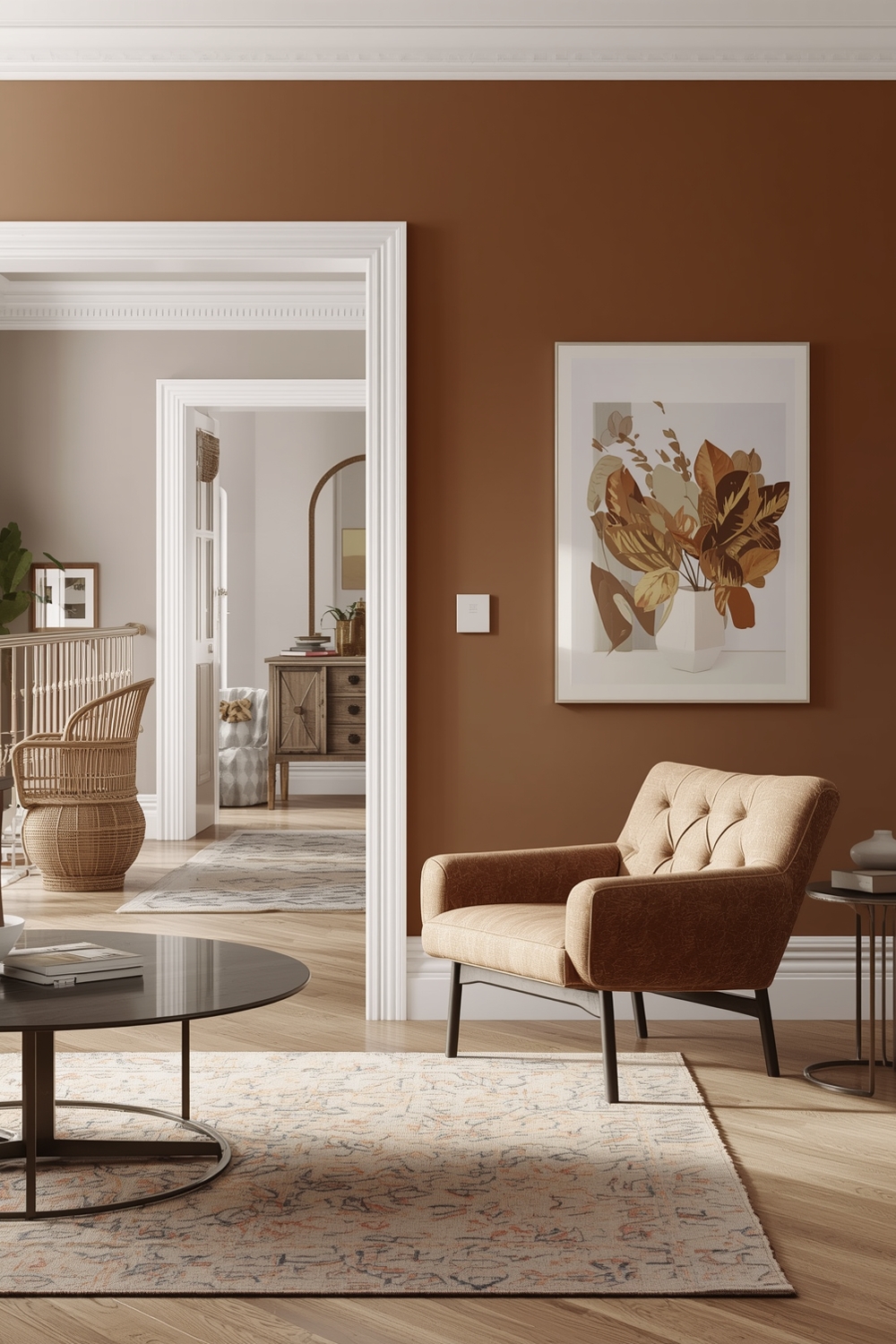
Creating perfect color balance involves understanding complementary, analogous, and triadic color relationships. Complementary schemes use opposite wheel colors for dramatic contrast, while analogous palettes feature neighboring hues for seamless transitions. Triadic combinations employ three equally spaced colors for vibrant, balanced designs.
Temperature balance is equally important in Color Harmony Palettes. Mixing warm and cool tones prevents spaces from feeling too stark or overly cozy. Introduce cool blues or greens into warm-toned rooms, or add warm terracotta or golden accents to cool-dominated spaces for optimal equilibrium.
Room Color Harmony Design Boards
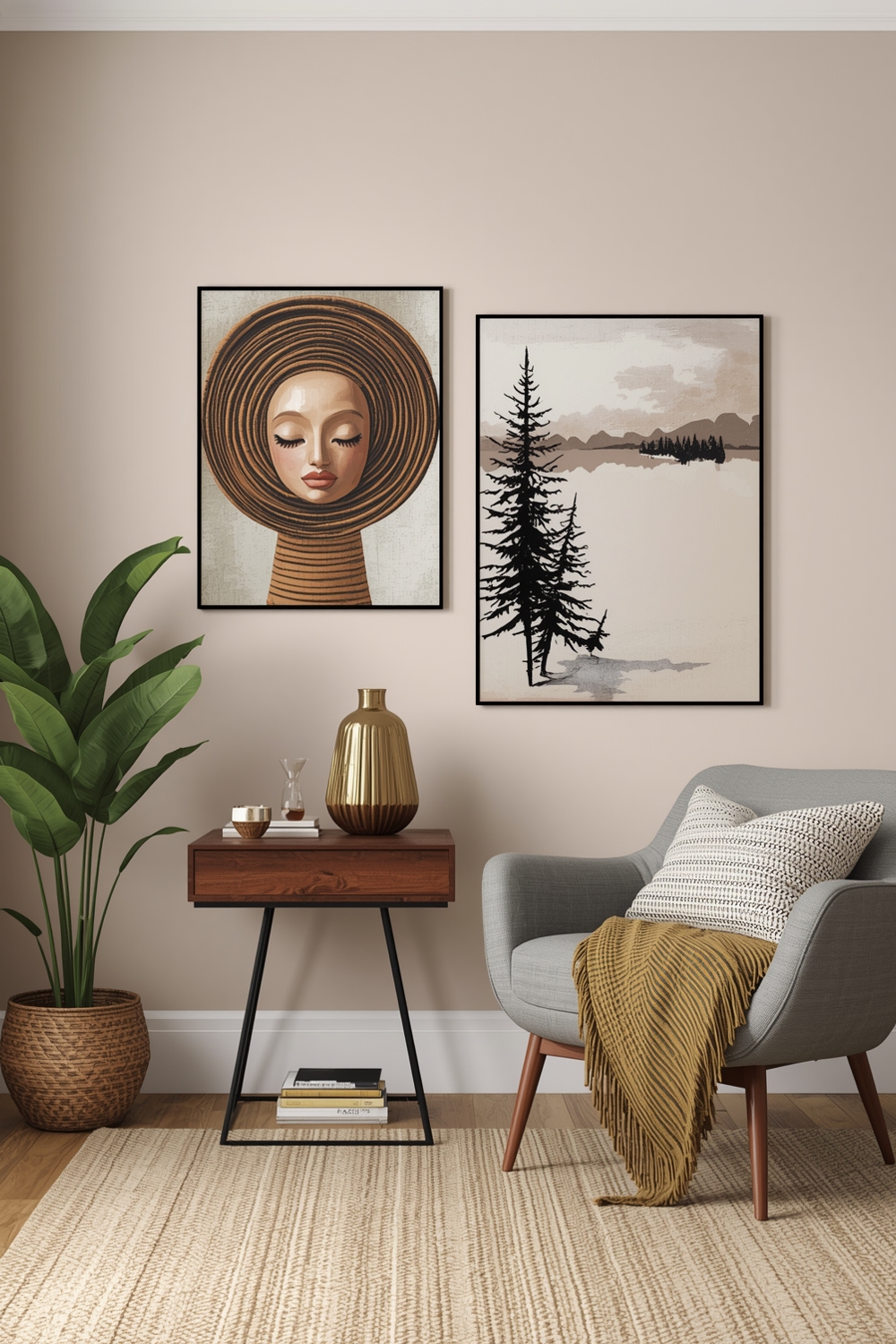
Design boards serve as essential planning tools for visualizing your color palette combinations before implementation. Create physical or digital mood boards featuring paint swatches, fabric samples, flooring materials, and decorative elements. This preview helps identify potential conflicts and ensures cohesive color flow throughout your space before making permanent decisions.
Modern Color Harmony Layout Inspirations
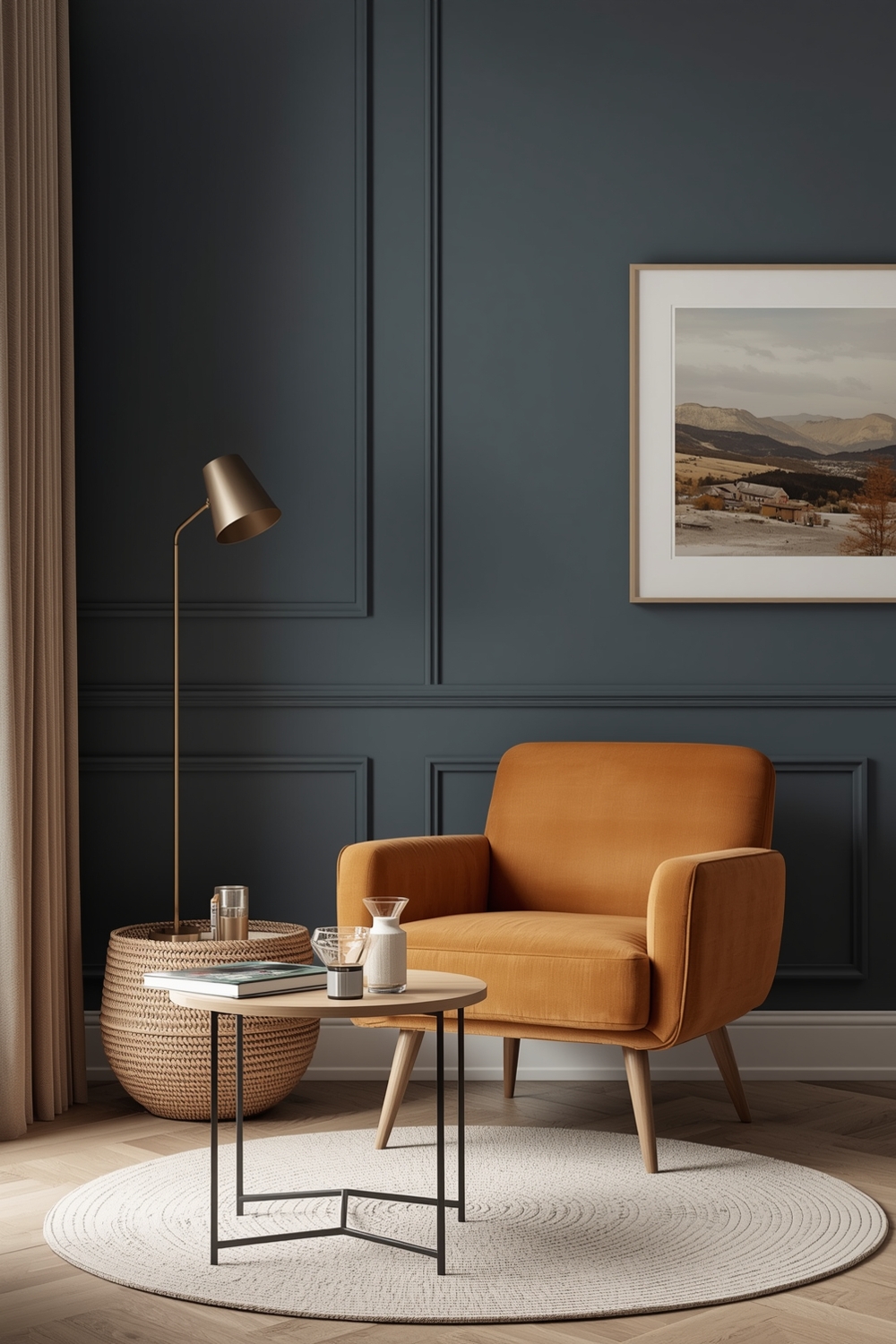
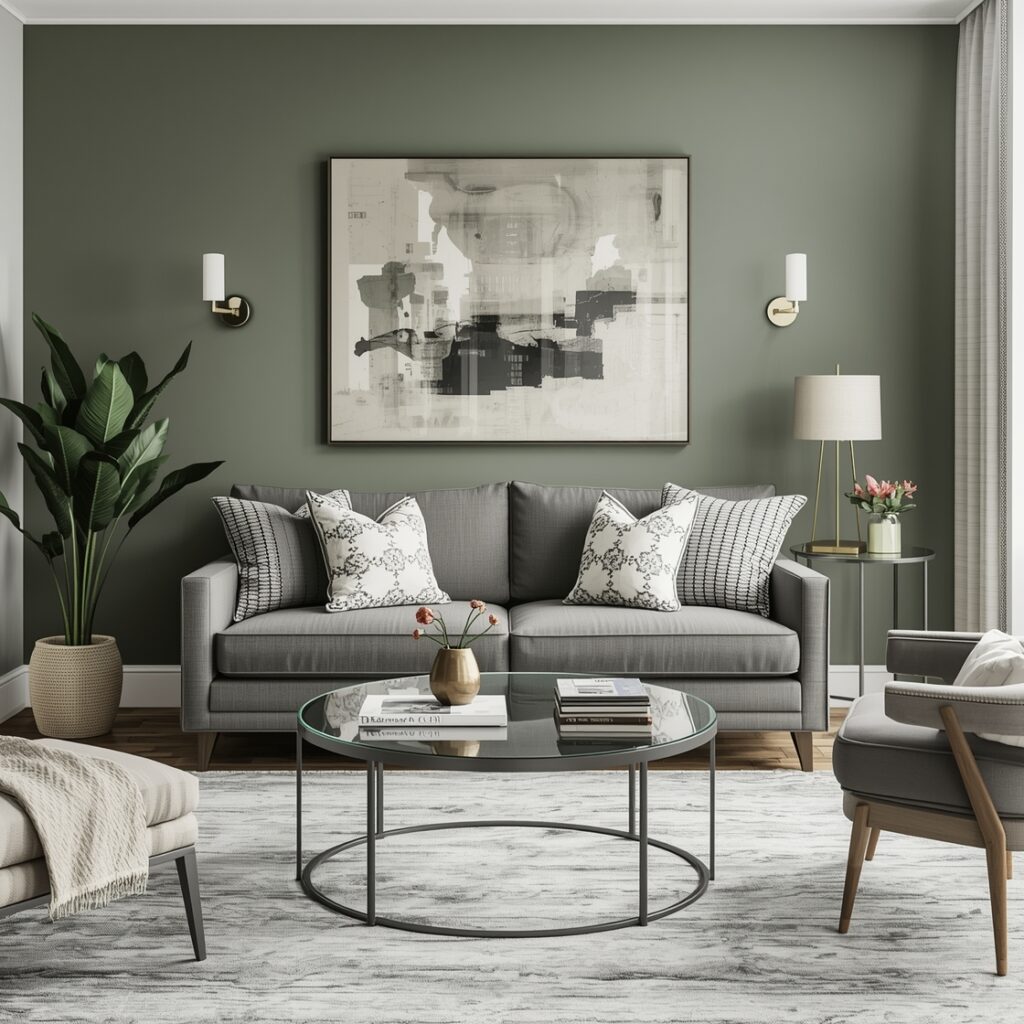
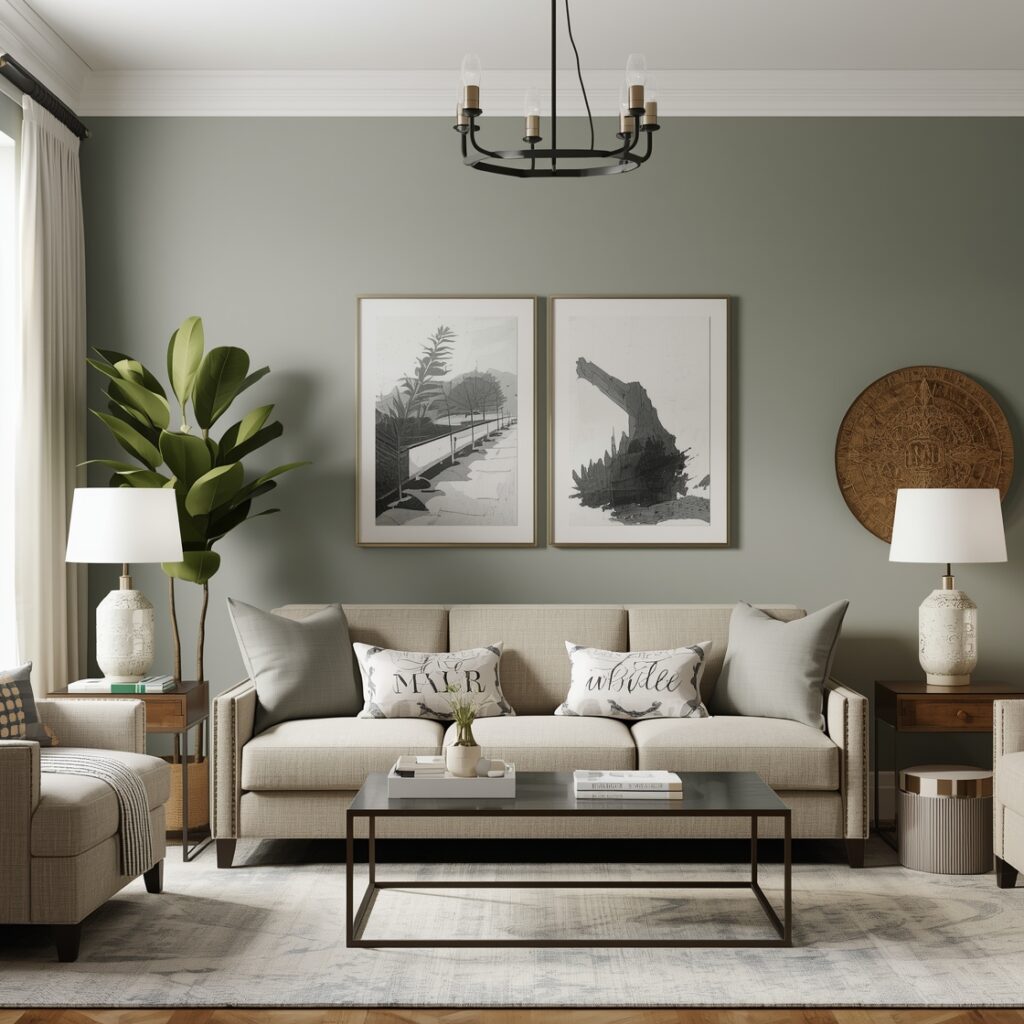
Modern Color Harmony Palettes emphasize clean lines and sophisticated simplicity. Popular contemporary combinations include charcoal gray with blush pink accents, navy blue paired with brass metallics, and sage green complemented by warm wood tones. These schemes create fresh, timeless environments that remain stylish across changing trends while maintaining visual harmony.
Stylish Color Combination Examples
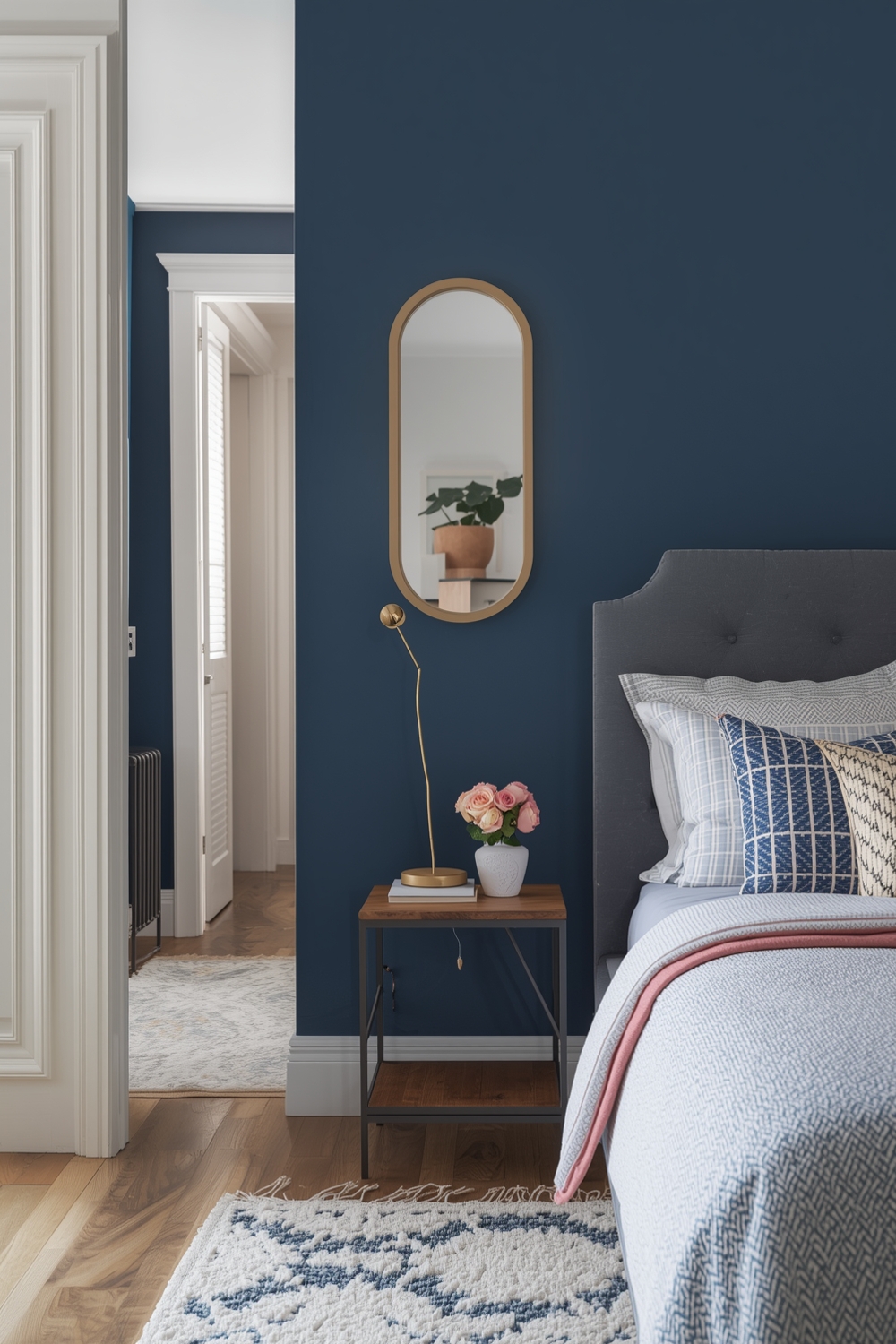
Explore timeless stylish combinations like classic navy and white striped with coral accents, or sophisticated emerald green paired with rich burgundy and gold touches. Another stunning option combines dusty rose with forest green and cream, creating romantic yet grounded atmospheres. These proven color palette combinations deliver immediate visual impact while maintaining long-term appeal throughout your home’s interior spaces.
Functional Color Harmony Plan Blueprints
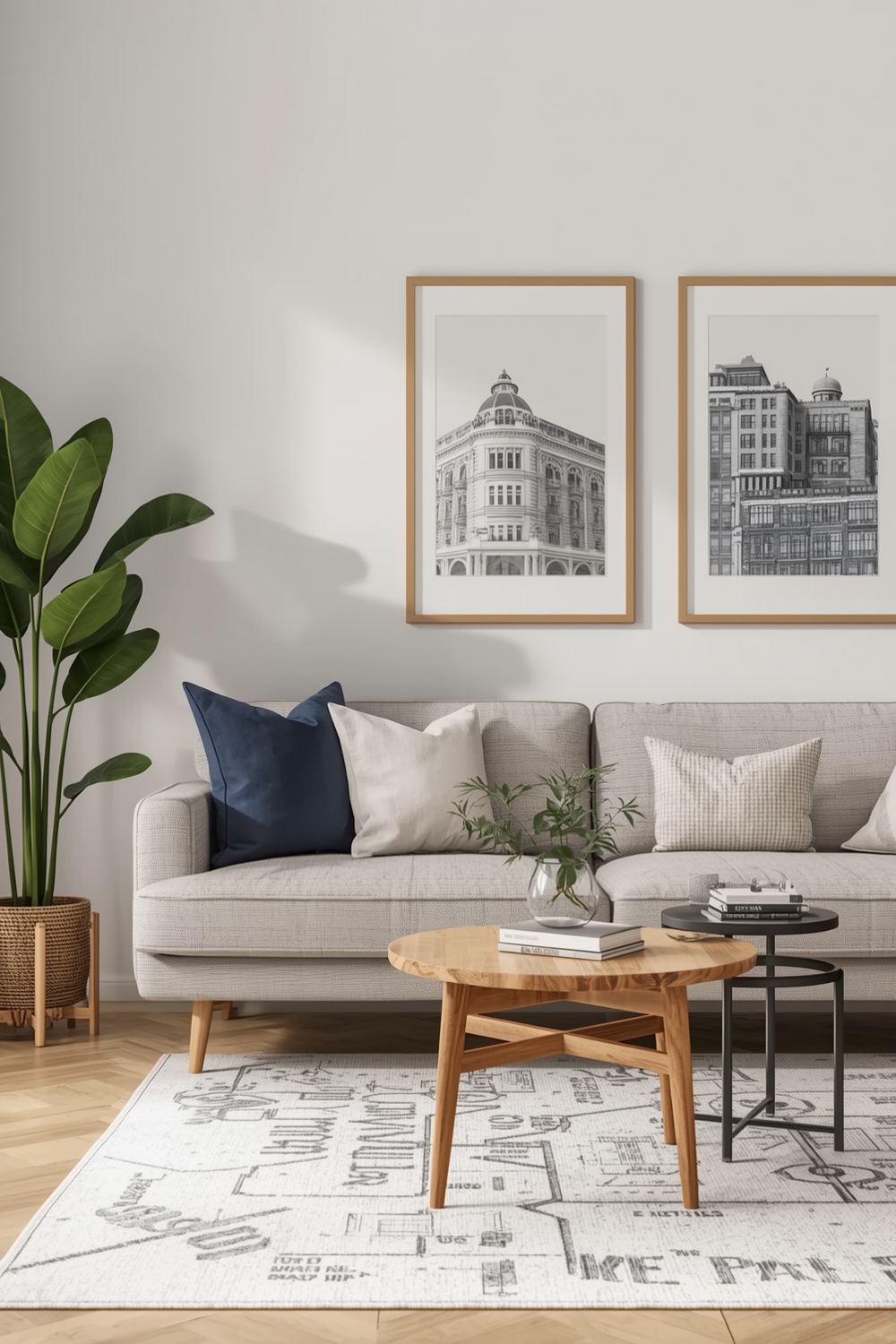
Functional blueprints for Color Harmony Palettes consider both aesthetics and practicality. High-traffic areas benefit from darker, stain-resistant dominant colors, while bedrooms thrive with calming, lighter palettes. Kitchen spaces work well with energizing yet clean color schemes, and bathrooms excel with spa-inspired tranquil combinations that promote relaxation and rejuvenation.
Elegant Color Palette Layout Guides
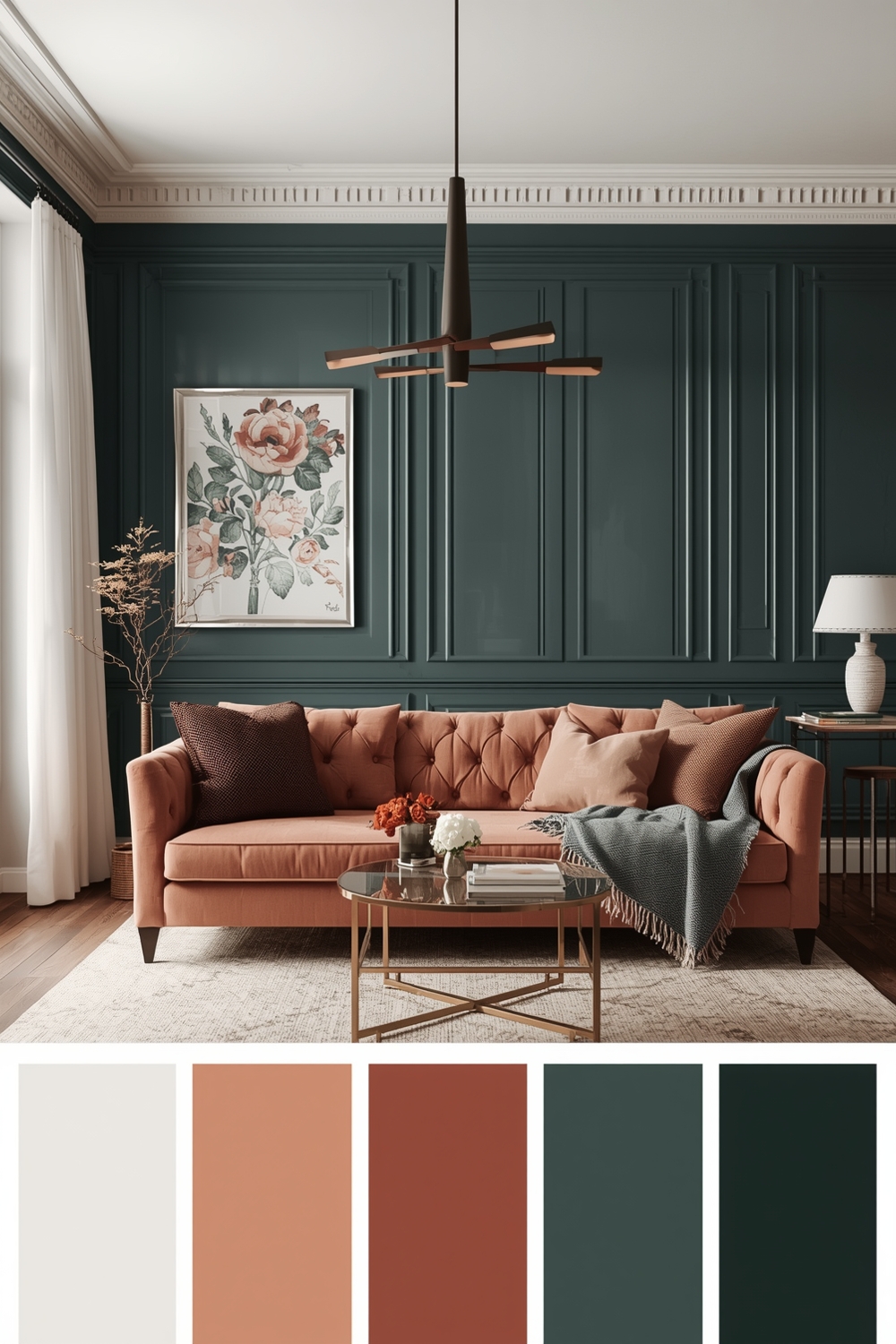
Elegant layouts emphasize refined sophistication through carefully curated color palette combinations. Consider luxurious pairings like deep plum with champagne gold, soft taupe with ivory and silver accents, or classic black and white enhanced with crystal blue touches. These sophisticated schemes elevate any space, creating timeless elegance that impresses guests and residents alike.
Minimalist Room Color Harmony Examples
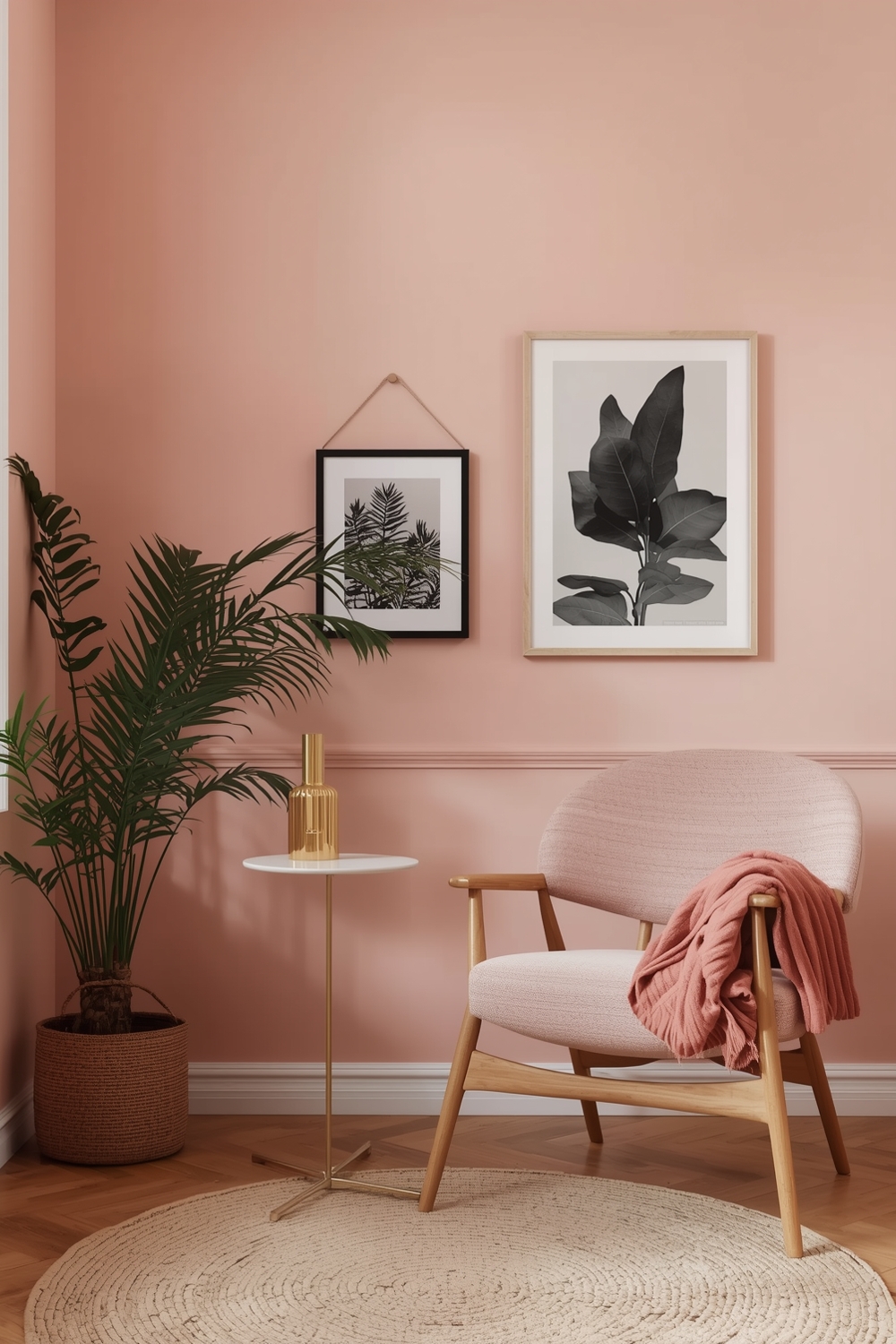
Minimalist Color Harmony Palettes focus on restraint and intentionality. Successful minimalist schemes typically feature two to three carefully selected hues with significant white space. Popular combinations include warm white with black accents, various gray tones with single bold color pops, or all-neutral palettes with subtle textural variations.
The key to minimalist success lies in quality over quantity. Select fewer colors but ensure they’re perfectly coordinated, allowing each shade to make meaningful contributions to the overall aesthetic without creating visual clutter or overwhelming simplicity.
Contemporary Color Harmony Design Concepts
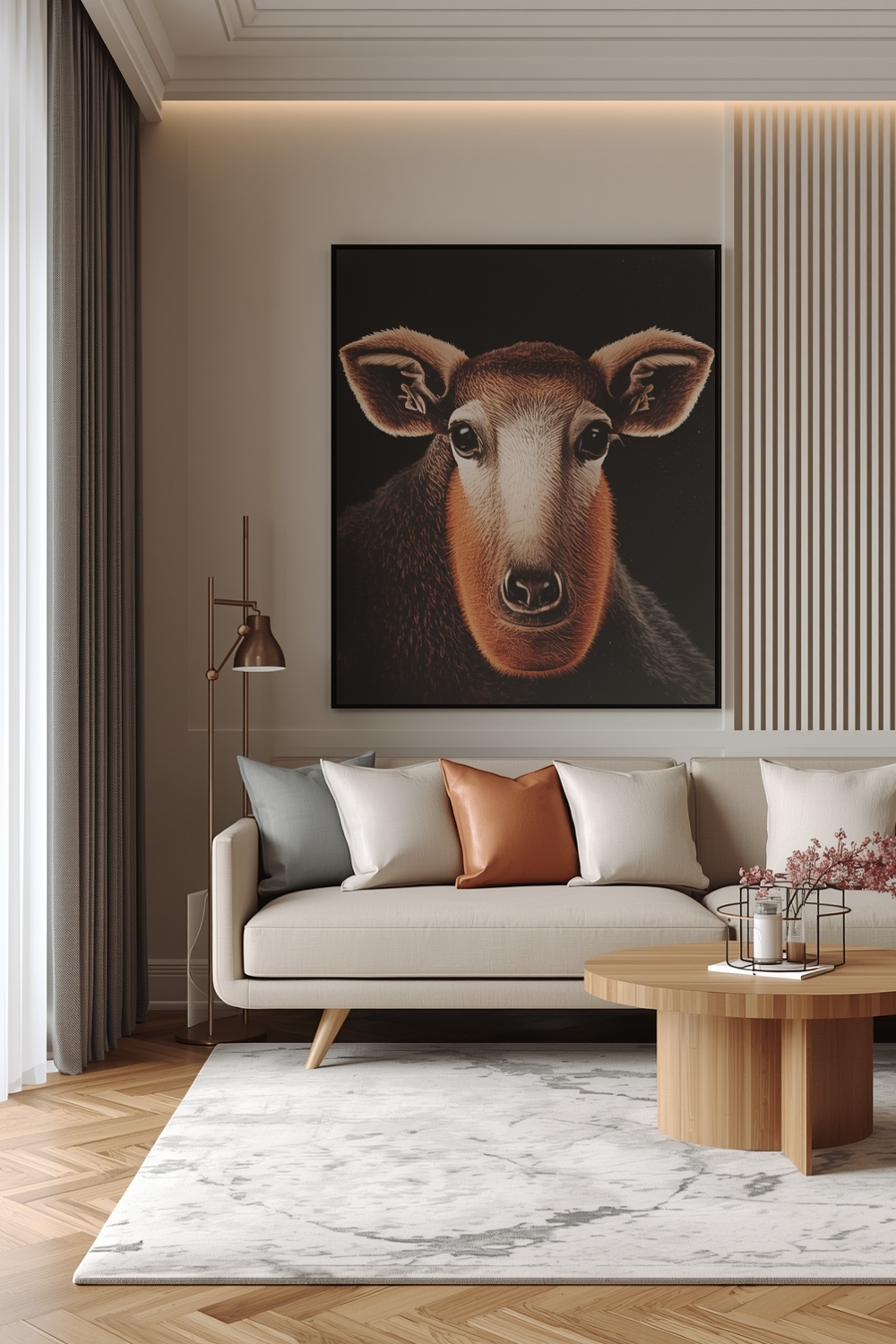
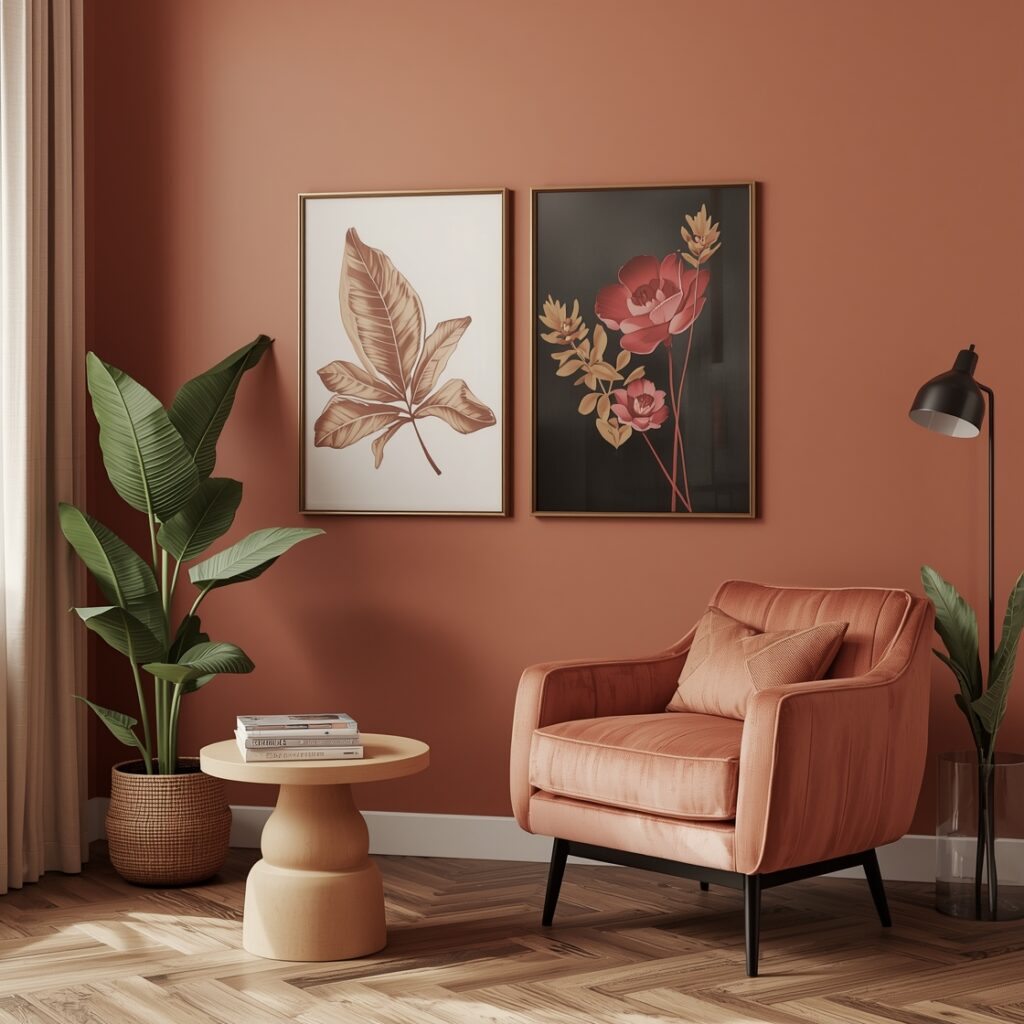
Contemporary concepts blend current trends with timeless principles, creating fresh yet enduring Color Harmony Palettes. Today’s popular approaches include biophilic color schemes inspired by nature, featuring earthy terracotta, sage green, and sandy beige. Another trending direction combines unexpected pairings like millennial pink with hunter green or mustard yellow with deep teal.
Cozy and Balanced Color Idea Galleries
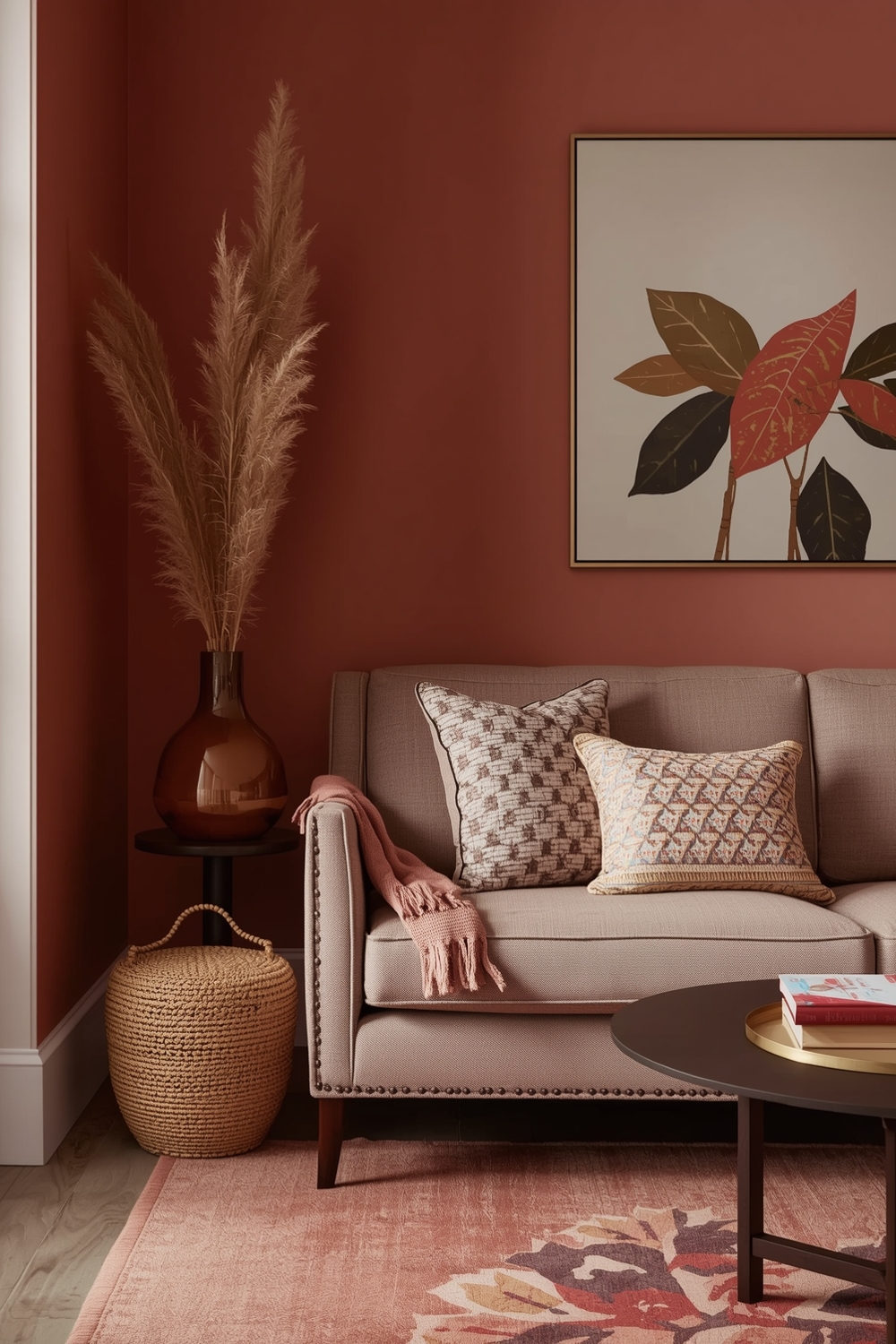
Cozy color palette combinations emphasize warmth and comfort through rich, inviting hues. Consider combining burnt orange with chocolate brown, or pairing warm cream with cinnamon and rust accents. Layer various warm tones in different intensities to create depth while maintaining harmonious balance that makes spaces feel welcoming and lived-in.
Neutral and Bright Color Layout Plans
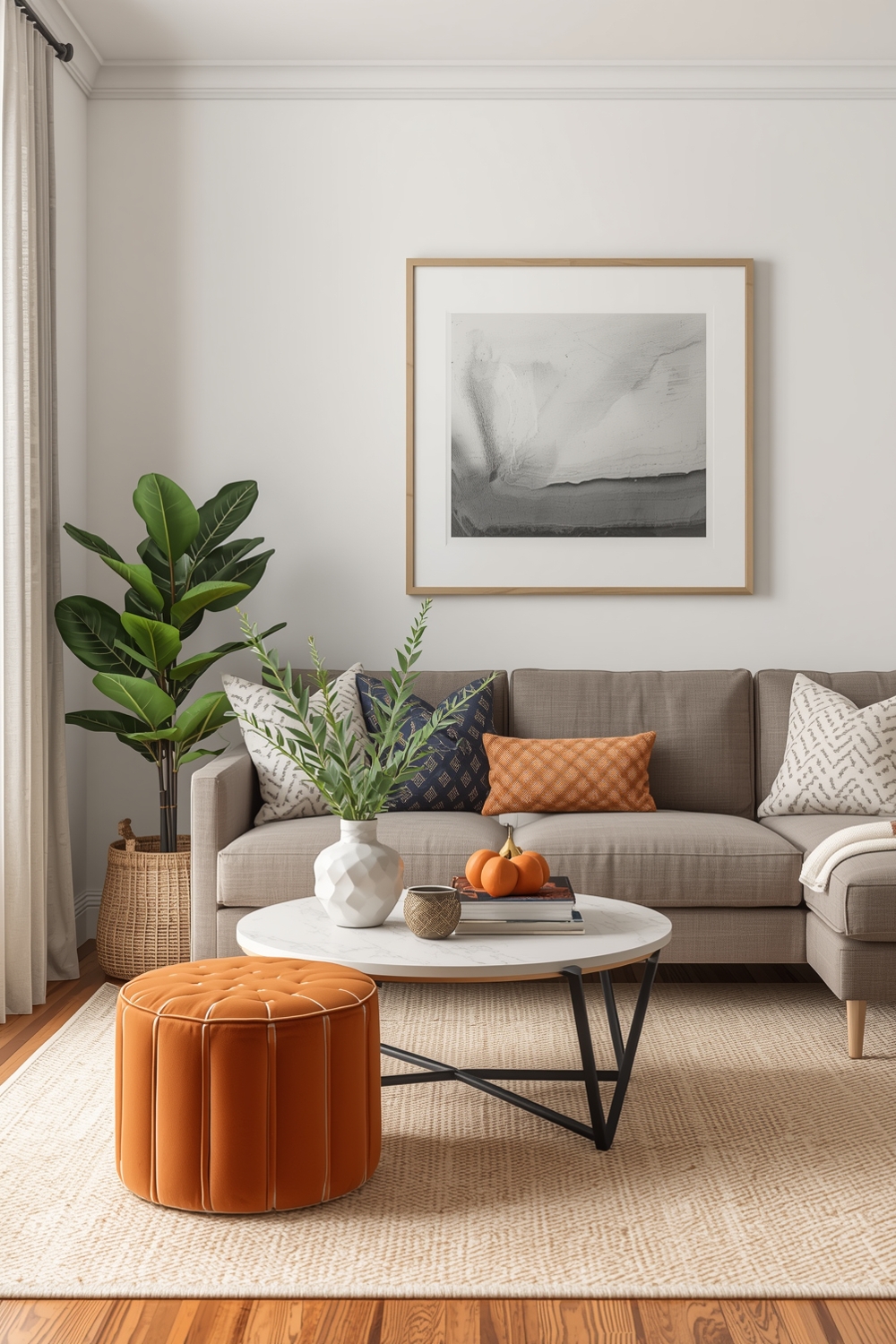
Balanced layouts combining neutral foundations with bright accents offer versatility and energy. Start with neutral bases like beige, gray, or white, then introduce vibrant pops through accessories and artwork. This approach allows easy seasonal updates while maintaining cohesive Color Harmony Palettes. Try pairing soft gray walls with electric yellow cushions or white backgrounds with cobalt blue decorative elements.
Room Color Pairing Layout Examples
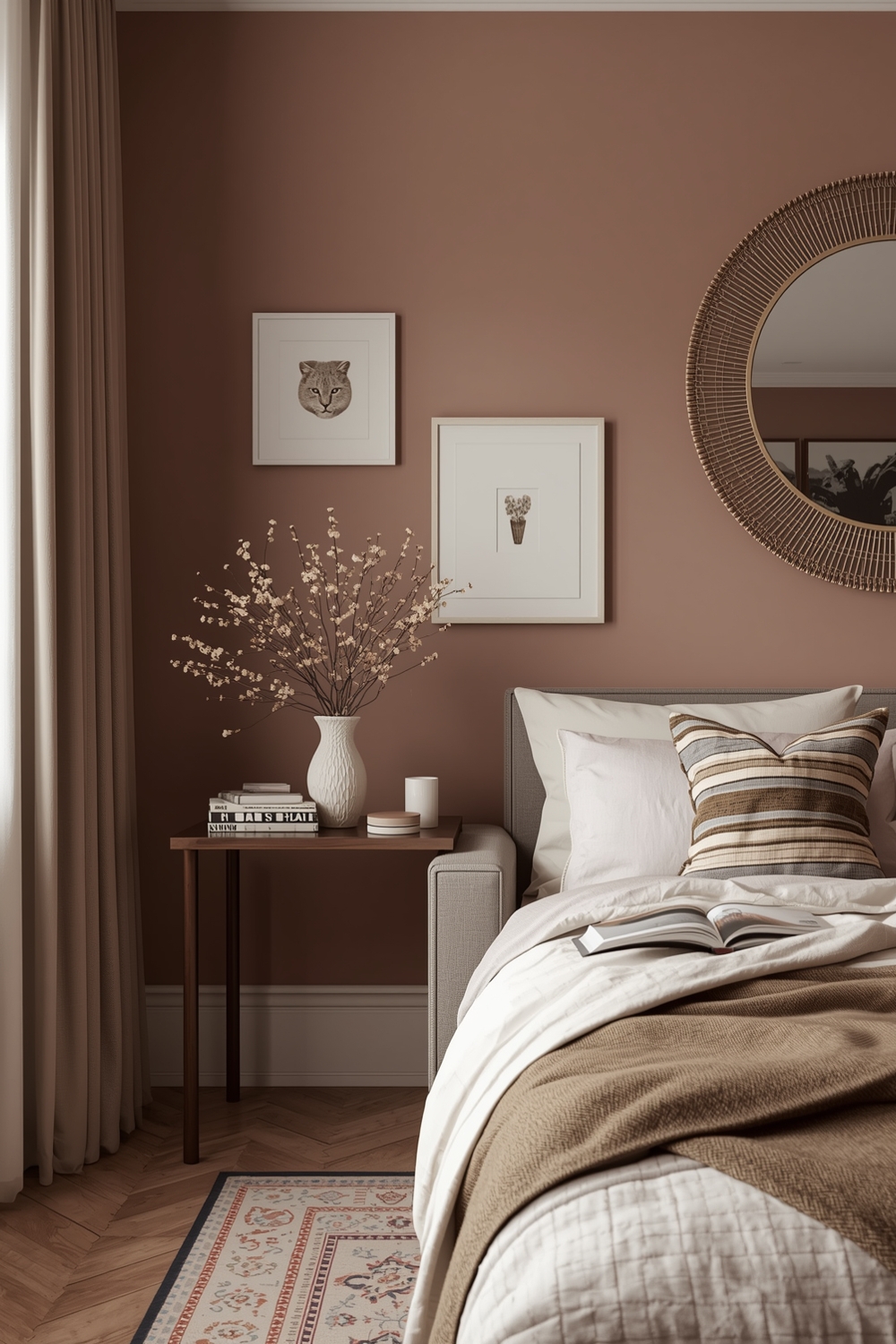
Specific room types benefit from tailored Color Harmony Palettes. Living rooms thrive with conversational, welcoming combinations like warm gray with navy and copper. Bedrooms excel with restful pairings such as soft blue with cream and lavender. Dining spaces work beautifully with appetite-enhancing schemes like sage green with terracotta and gold accents.
Timeless Color Harmony Inspiration Boards
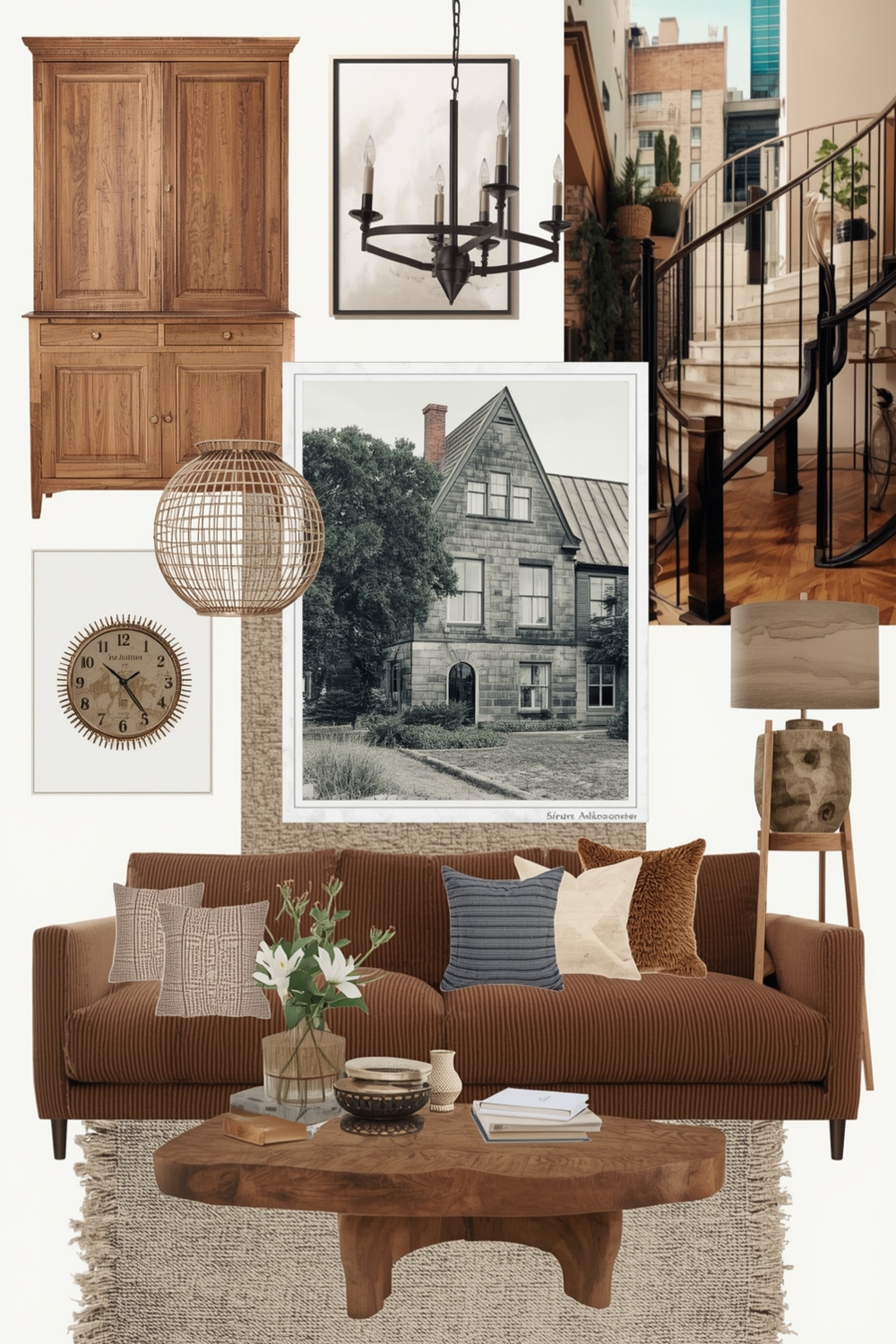
Timeless Color Harmony Palettes transcend temporary trends, maintaining relevance across decades. Classic combinations include navy and white, black and cream, or various gray tones with wood accents. These enduring color palette combinations provide safe yet sophisticated foundations that accommodate evolving personal styles and decorative preferences throughout the years.
Bedroom and Living Area Color Harmony Layouts
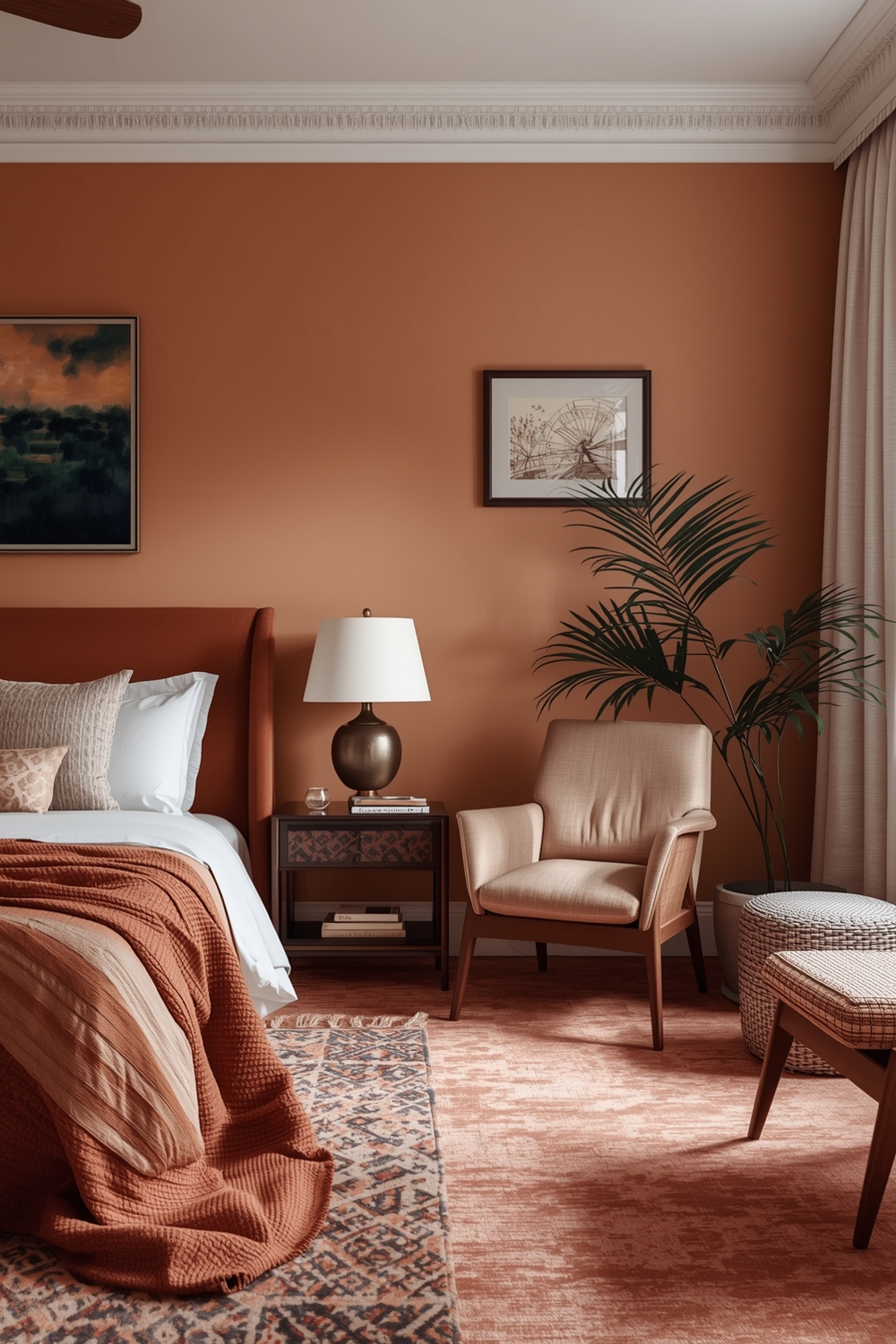
Bedroom Color Harmony Palettes should prioritize relaxation through soothing combinations like powder blue with soft gray, or lavender with cream and sage accents. Living areas benefit from more social, energizing palettes such as warm terracotta with navy and cream, or olive green paired with mustard and charcoal.
Consider lighting conditions when selecting colors for these spaces. Bedrooms with limited natural light need lighter, reflective palettes, while sun-filled living rooms can accommodate deeper, richer color palette combinations without feeling dark or confined.
How This Idea Improves Your Space
Implementing thoughtful Color Harmony Palettes dramatically transforms spaces by creating visual cohesion and emotional resonance. Well-planned color schemes make rooms feel larger, more organized, and professionally designed. They establish clear focal points, guide traffic flow, and create seamless transitions between adjacent areas, ultimately increasing your home’s aesthetic value and your daily enjoyment of living spaces.
Budget-Friendly Tips
Transform spaces affordably by starting with paint—the most cost-effective color change. Introduce new palette colors through inexpensive accessories like throw pillows, curtains, and artwork rather than expensive furniture replacements. Shop secondhand for unique colorful pieces that complement your chosen Color Harmony Palettes perfectly.
Conclusion
Mastering Color Harmony Palettes empowers you to create beautifully balanced, professionally designed interior spaces. By understanding fundamental color relationships and applying these 15 optimal layout strategies, you’ll confidently develop cohesive schemes that reflect your personality while maintaining visual harmony throughout your home’s living areas.
FAQs
What is the 60-30-10 color rule?
This design principle allocates 60% dominant color, 30% secondary color, and 10% accent color for balanced visual distribution.
How many colors should I use in a room?
Three to five colors typically work best—including neutrals—to create interest without overwhelming the space.
Can I mix warm and cool colors?
Absolutely! Mixing temperatures adds depth and prevents spaces from feeling one-dimensional or unbalanced.
What are complementary colors?
Colors opposite each other on the color wheel, like blue and orange, creating high-contrast, vibrant combinations.
How do I choose accent colors?
Select hues that complement your dominant palette while providing sufficient contrast to create visual interest and focal points.